When to Replace Soffit and Fascia: Signs & Solutions
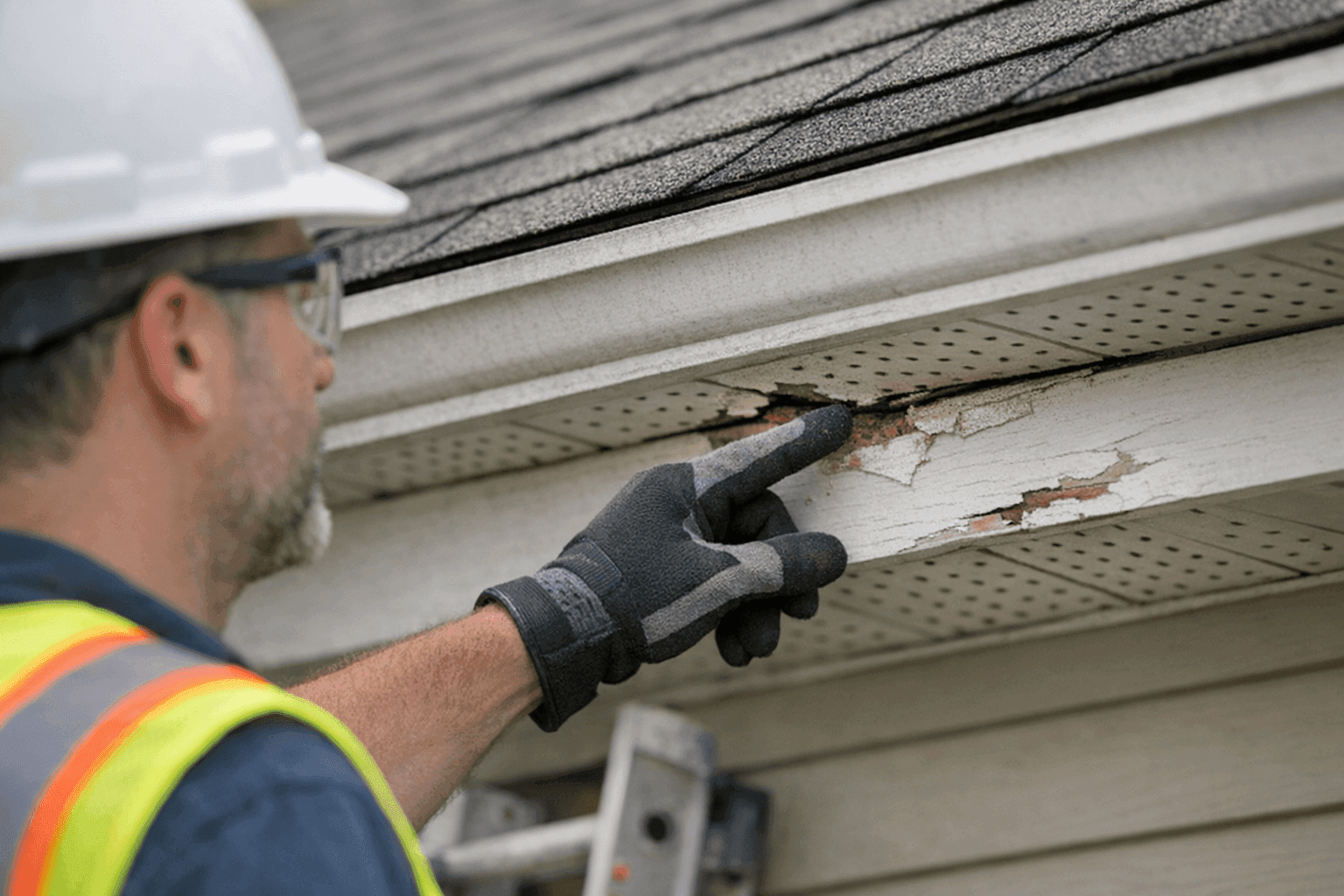
Is your home’s roofline sending you silent distress signals? Even the most beautiful siding can’t protect your property if soffit and fascia are neglected. These unsung heroes keep pests, water, and weather out—until trouble starts. And when it does, the damage can spread fast.
At POM Siding, we’ve seen small leaks turn into big repairs. Recognizing the early signs of soffit and fascia issues can save you time, money, and headaches. Here’s how to spot problems and what to do next.
What Are Soffit and Fascia? 🏠
Think of soffit and fascia as the shield and the trim around your home’s roof. Soffit is the panel tucked under the roof edge, bridging the gap between the siding and the roofline. It lets your attic breathe and keeps critters out. Fascia is the horizontal board that caps the end of roof rafters—where your gutters hang. It creates a crisp line and protects the roof’s edge from water.
When working together, these pieces keep out rain, snow, and wildlife. Skip maintenance, and they become the weak link—leading to everything from mold to squirrels in the attic.
Warning Signs of Damage
Spotting soffit and fascia problems early is like noticing the check-engine light before a breakdown. Look for these telltale signs:
- Peeling Paint or Cracked Surfaces: Fading paint, cracks, or bubbling are red flags.
- Visible Rot or Soft Spots: Press gently. If it feels spongy, rot is likely present.
- Water Stains or Drips: Discoloration underneath the eaves signals moisture intrusion.
- Rusty or Sagging Gutters: Gutters pulling away can damage fascia and signal water problems.
- Pest Activity: Birds, squirrels, or insects nesting near the roof edge? They’ve found a way in.
Moisture, Rot, Pests, Sagging
Let’s break it down further:
- Moisture: Water is the silent destroyer. It seeps in, causing wood to swell and warp.
- Rot: Rot makes wood soft. It spreads fast and attracts hungry insects.
- Pests: Openings invite wasps, squirrels, and raccoons—none are houseguests you want.
- Sagging: Notice drooping soffit or fascia? That’s an urgent fix. It often means structural weakening.
Why Soffit and Fascia Matter for Home Health
These aren’t just decorative trim. Soffit and fascia keep out rain, snow, wind, and unwanted guests. They also help vent your attic, preventing mold and reducing energy costs. The International Residential Code (IRC) highlights the importance of proper roof ventilation to prevent moisture buildup—a job your soffit does daily.
Neglecting them can lead to:
- Mold growth in attics and walls
- Damaged insulation
- Structural decay in roof rafters
- Expensive siding and gutter repairs
Quick Safety Checklist Before Inspection
Safety comes first. Before climbing a ladder or poking around your roofline:
- Wear sturdy shoes with good grip.
- Use a stable ladder—never lean out or overreach.
- Watch for loose gutters or sharp nails.
- If you see serious damage, call a professional before attempting repairs.
DIY vs. Call a Pro
Some touch-ups—like minor paint or cleaning—are safe for handy homeowners. But rot, sagging boards, or evidence of animals? That’s when you need specialized tools, materials, and experience.
DIY repairs can sometimes mask deeper issues. Moisture or pest problems often run further than you can see. For “Soffit and Fascia Repair near you,” skilled technicians ensure hidden trouble is caught and fixed the first time.
What Pros Do On Arrival
When you call POM Siding, here’s what happens next:
- A careful inspection of soffit, fascia, and nearby siding
- Moisture readings using calibrated meters
- Checking for animal entry points and hidden rot
- Assessment of gutter attachment and water flow
- Recommendations for repair or replacement—never more than you need
Our team also checks if you need siding flashing repair to block water where your roof meets the siding.
Repair vs. Replacement: How to Decide
When is a simple fix enough—and when is a full replacement smarter?
Repair is best when:
- The damage is localized (a small area of rot, a few loose boards)
- Paint is peeling, but wood is still strong
- There’s minor pest intrusion, but no structural harm
Replacement is required when:
- Wood is soft, crumbling, or falling apart
- Large sections are sagging or missing
- Repeated patching hasn’t solved the problem
Sometimes, a mix of both is ideal. Replacing a few panels and reinforcing the rest can extend the life of your entire roofline.
Prevention & Maintenance Tips
Protect your soffit and fascia with these simple habits:
- Clean gutters at least twice a year to prevent water backup
- Trim trees away from the roof to keep pests and moisture at bay
- Touch up paint to seal wood from rain and sun
- Schedule regular siding inspections (spring and fall are best)
Building codes, like IRC Section R302.7, emphasize fire resistance—choose materials and finishes that meet local safety standards.
Costs & Time Factors
Soffit and fascia repair costs vary by materials, damage extent, and roof height. Repairs may be quick—a few hours for a small section. Replacement or complex repairs can take a day or more. Investing early saves money down the road by preventing bigger structural problems.
When It’s an Emergency
Some issues just can’t wait:
- Soffit or fascia falling off
- Large animal entry
- Water streaming inside after a storm
If you see these, call for Soffit and Fascia Installation immediately. Fast action keeps your home safe and dry.
FAQ: Soffit and Fascia
Q: How often should I check my soffit and fascia?
A: Inspect at least twice a year, and after major storms.
Q: Can I just patch over small holes?
A: Temporary patches may help, but always address the underlying cause—usually moisture.
Q: What materials last longest?
A: Metal and fiber cement resist rot and pests better than wood, but each has pros and cons. Our siding material consultation can help you choose what’s best.
Seasonal Considerations
Winter’s ice and snow strain the roof edge. Spring brings heavy rain. End of summer—look for pest activity after nesting season. Each season brings new risks. Schedule checks at the start and end of harsh weather for best results.
Common Mistakes to Avoid
- Ignoring peeling paint or cracked caulk
- Waiting until you see animals or water inside the house
- Using the wrong materials for your climate
- DIY repairs without checking for hidden rot
Timeline & Disruption
Repairs can usually be done without major disruption to your daily routine. If replacement is needed, expect some noise and mess—but a professional team will leave the site clean and safe.
Materials & Equipment
From ladders and pry bars to moisture meters and safety gear, having the right tools is key. High-quality paints and caulks extend the life of repairs. For replacements, consider eco-friendly or fire-resistant options that meet modern codes.
When to Call for a Siding Consultation
If you’re unsure, don’t wait for a small issue to become a big one. A siding professional can recommend the right fix, spot early warning signs, and help you plan for long-term home health.
Want to explore your siding options or need a trusted inspection? Visit our siding contractors in Norman page for more information about high-quality siding solutions.
Call POM Siding now — or reach us anytime at 888-870-1065 .