How to Choose the Best Siding Material for Your Property
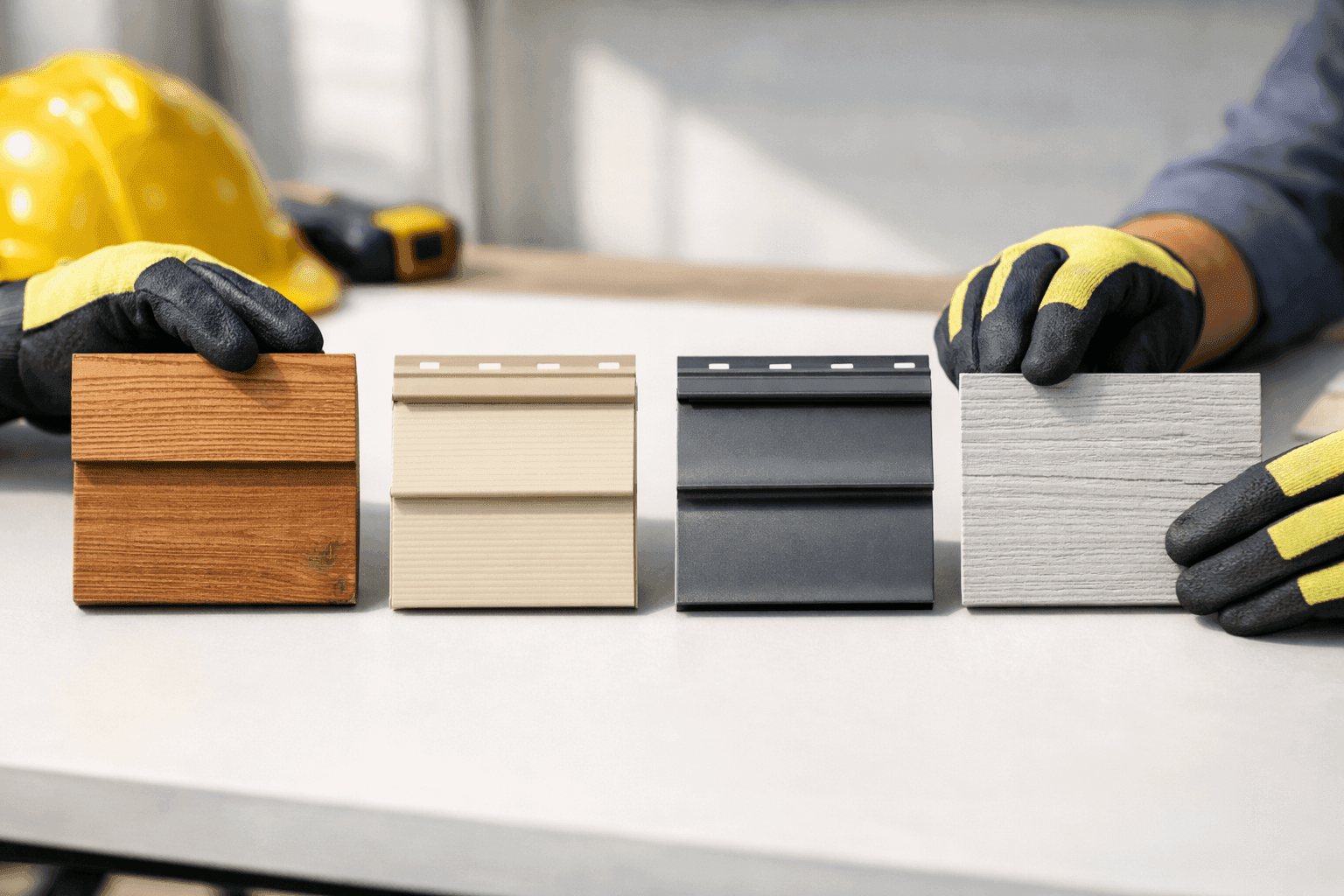
When you look at your property, what’s the first thing you notice? Chances are, it’s the siding. The right siding isn’t just about curb appeal—it’s your shield against wind, rain, snow, and sun. At POM Siding, we know choosing the right siding material can feel overwhelming. So many options. So many claims. Your decision shapes your property’s look, efficiency, and value for decades.
Let’s break down your choices, side by side—so you can pick what fits your needs, budget, and climate, without the guesswork.
Siding Material Options 🏠
Modern siding comes in a range of materials, each with its own personality and strengths. Here’s a look at the most popular types you’ll encounter when exploring Soffit and Fascia Repair near you:
Vinyl Siding
- Affordable and versatile. Available in nearly any color or style.
- Low maintenance: a simple wash keeps it fresh.
- Resistant to rot and insects.
Wood Siding
- Classic charm. Brings warmth and richness to any building.
- Can be painted or stained to match your vision.
- Needs regular care (painting, sealing) to prevent weather damage.
Metal Siding
- Durable and fire-resistant. Stands up to hail and high winds.
- Modern look, often used for commercial properties.
- May dent; can be noisy in heavy rain.
Fiber Cement Siding
- Engineered for toughness. Mimics wood or masonry, resists fire, pests, and rot.
- Long life span with minimal upkeep.
- Heavier and often pricier to install than vinyl.
Stucco Siding
- Distinctive, textured finish. Excellent for Southwest or Mediterranean styles.
- Good insulation and fire resistance.
- Can crack with building movement or extreme freeze-thaw cycles.
Pros and Cons Comparison Table
Let’s lay it out simply—no jargon, just the facts. Each siding material brings a unique mix of strengths and quirks.
Vinyl Siding
- Pros: Cost-effective, huge design variety, easy to clean, no painting required.
- Cons: Can crack in extreme cold, may fade over time, not as impact-resistant as some.
Wood Siding
- Pros: Timeless aesthetic, customizable finish, eco-friendly options.
- Cons: Prone to rot, insects, and fire; higher maintenance.
Metal Siding
- Pros: Exceptional durability, fire and pest resistant, recyclable.
- Cons: Can rust if scratched, sometimes noisy, may require repainting.
Fiber Cement Siding
- Pros: Long-lasting, low maintenance, great for tough climates.
- Cons: Higher installation cost, heavy material, needs professional installation.
Stucco Siding
- Pros: Energy efficient, resists fire, distinct look.
- Cons: Needs expert installation, cracks if not maintained, not ideal for wet climates.
Factors to Consider: Climate, Budget, Aesthetics 🌦️
You wouldn’t wear a winter coat to the beach, right? Siding is the same. Here’s what to weigh before you decide:
- Climate: Harsh winters? Fiber cement or metal thrive. Humid summers? Vinyl and properly sealed wood work well. Stucco is best in dry climates.
- Budget: Vinyl is wallet-friendly. Fiber cement and metal cost more up front, but can last longer and save on repairs.
- Aesthetics: What fits your property’s style? Wood is warm and traditional. Metal is sleek and modern. Fiber cement is a chameleon—mimicking many looks.
- Maintenance: If you love weekend projects, wood could be for you. Prefer low fuss? Vinyl, metal, or fiber cement require less hands-on time.
- Local regulations: Some areas restrict siding types for historic or safety reasons. Always check building codes (see local building department for your region).
Questions to Ask Before Deciding
Before you commit, ask yourself and your contractor these key questions:
- What’s my biggest priority—cost, durability, or style?
- How much time am I willing to spend on maintenance?
- What’s the climate like, year-round?
- Are there neighborhood covenants or city codes affecting my choice?
- How will this siding impact my energy bills or insurance?
- Does this material come with a manufacturer’s warranty?
- Do I need extra features—like built-in insulation, or storm resistance?
- Have I budgeted for trim, soffit, and gutter work, too?
- Should I schedule a professional siding consultation for tailored advice?
The Real-World Costs and Time Factors
Think of siding as an investment, not just an expense. Here’s what to keep in mind:
- Material cost: Vinyl and wood are often less expensive upfront. Fiber cement and metal require more initial investment but are durable.
- Installation: Labor costs vary. Fiber cement and stucco need experienced crews. DIY is possible for vinyl, but not for all types.
- Timeline: Simple jobs—like siding replacement—can wrap up in days. Major work, especially with custom trim or weatherproofing, may take weeks.
- Disruption: Expect some noise and dust. Ask your contractor how they minimize impact on your family or business.
Maintenance and Longevity
Every siding needs care, just like your car or roof. Here’s what to expect:
- Vinyl: Rinse with a hose a couple times a year.
- Wood: Inspect and repaint or reseal every few years.
- Metal: Watch for dents or scratches—touch up paint as needed.
- Fiber Cement: Occasional wash; check caulking yearly.
- Stucco: Inspect for cracks; repair as needed to prevent moisture issues.
Regular siding maintenance extends the life of your investment and keeps it looking sharp.
When to Call a Pro vs. DIY 🔧
Some siding tasks are weekend-warrior friendly—like cleaning or minor vinyl fixes. But installation, repairs after storm damage, or anything involving ladders and power tools? That’s pro territory. Improper installation can void warranties or cause leaks, mold, and headaches down the road.
Seasonal and Regional Considerations
Are you in a place with big temperature swings, heavy storms, or blazing sun? Choose materials built for your region. Fiber cement and metal are great for hail zones. Vinyl or stucco suit milder climates. Always check for local compliance with the International Residential Code (IRC) or International Building Code (IBC).
Signs Your Siding Needs Attention
Watch for:
- Warping, cracking, or holes in panels.
- Peeling paint or faded color.
- Rot or pest damage (especially with wood).
- Blistering or bubbling, which signals trapped moisture.
- Spiking energy bills.
If you spot these, it’s time for a siding inspection—or possibly urgent fiber cement siding installation for better protection.
Siding and Building Codes: What to Know
Every region has its own rules. Fire safety, energy efficiency, and moisture control all play a role. Ask your contractor about compliance with the latest codes (like ASTM standards for materials and installation). Don’t skip the permit—local inspectors are there to keep everyone safe.
Siding for New Construction or Remodels
Building a new home or updating an older property? Your options are wide open. Think about future maintenance, resale value, and how the siding will blend with other exterior features like soffit, fascia, and gutters. For complex projects, schedule a full siding consultation to map out every detail.
Siding for Commercial Properties
Businesses have unique needs: durability, fire ratings, and curb appeal all matter. Metal, fiber cement, and high-end vinyl are popular picks. Consider custom solutions that reflect your brand and handle heavy traffic or equipment impacts.
Eco-Friendly and Sustainable Siding Choices 🌱
Green options are now mainstream. Fiber cement uses recycled content. Metal is endlessly recyclable. Sustainably harvested wood is available, too. Ask about low-VOC paints and sealants for healthier indoor air.
Final Thoughts: Confidence in Your Choice
The right siding material is more than a color swatch—it’s your property’s frontline defense. Take your time. Ask good questions. Consider not just how it looks today, but how it will perform for years to come.
Call POM Siding now — or reach us anytime at 888-870-1065 .