What to Do If Your Siding Is Leaking
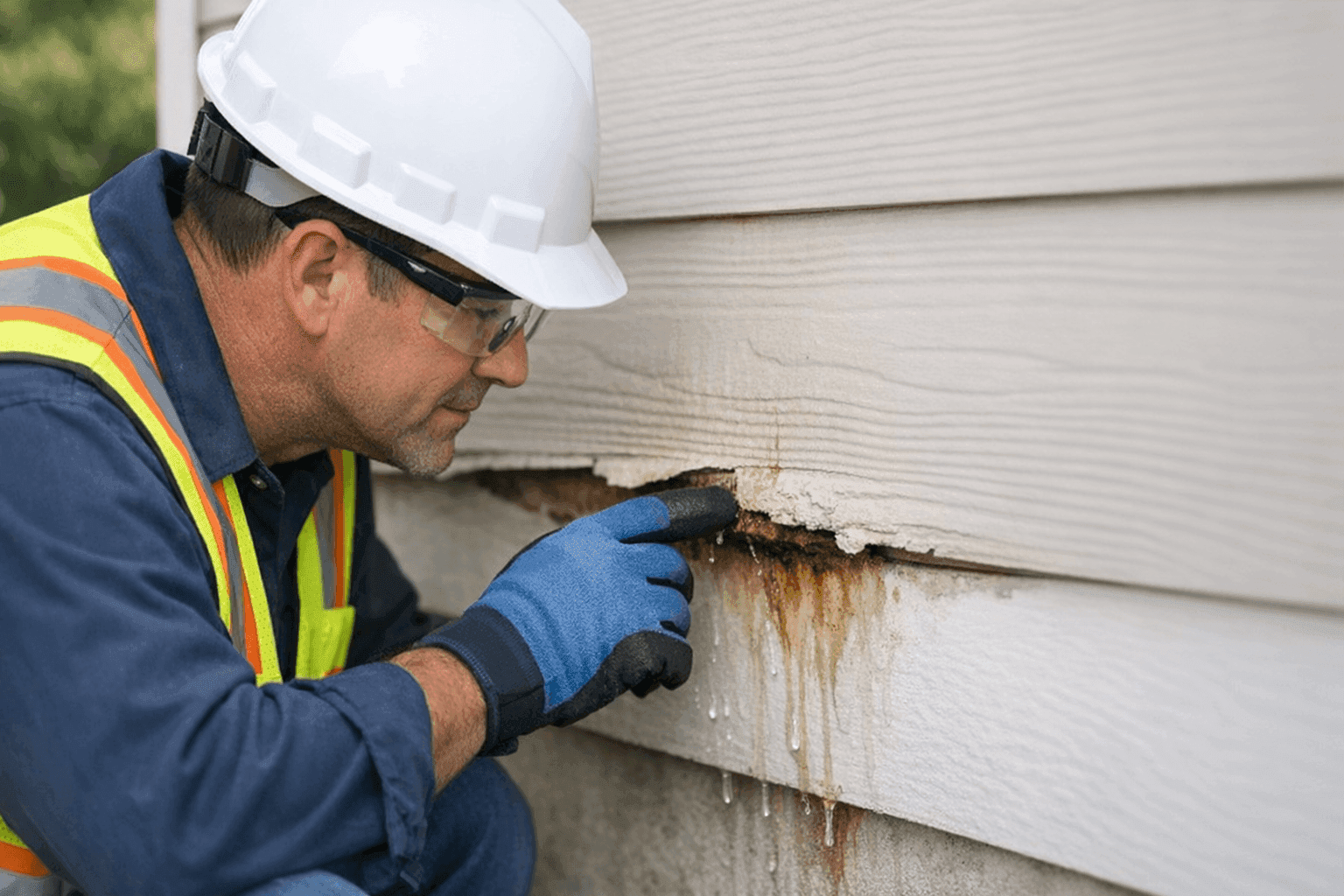
When siding leaks, it’s more than a cosmetic issue. Water finds a way—dripping, seeping, and sneaking behind panels, trim, or flashing. Left unchecked, a leak can spiral from a minor nuisance to a full-blown repair job. At POM Siding, we know how stressful it feels when your home or business is at risk. We’ve helped countless folks handle exactly what you’re facing now.
Whether you spot a fresh water stain or bubbling paint, quick action is your best defense. Here’s a clear, step-by-step guide to help you take control and restore your siding’s strength.
Signs Your Siding Is Leaking
Leaking siding rarely shouts for attention. Instead, it whispers—leaving subtle clues that something’s wrong.
- Water Stains: Look for yellow, brown, or discolored marks on interior or exterior walls. They’re like footprints, showing where water has been.
- Mold & Mildew: Musty smells or fuzzy spots around windows, baseboards, or siding edges signal excess moisture. Mold can grow quickly, so don’t ignore it.
- Bubbling or Peeling Paint: When paint traps moisture, it bubbles, flakes, or peels away—like a warning flag waving at you.
- Warped Panels: Siding that ripples or bows may be hiding trapped water.
- Soft or Spongy Areas: Press lightly on suspect siding. If it feels soft, the wood beneath may be rotting.
If you spot any of these, it’s time to act. 🕵️
Immediate Steps to Contain Leaks
Don’t panic. Every minute counts, but safety comes first.
- Turn Off Power: If water is near electrical outlets or fixtures, shut off the circuit breaker to prevent shock.
- Move Belongings: Clear furniture, rugs, and valuables away from affected walls.
- Contain the Water: Place towels, buckets, or plastic sheeting to collect drips and protect floors.
- Document Everything: Take photos and notes. This helps with insurance or if you need to explain the problem to a pro.
- Ventilate the Area: Open windows or use fans to help dry out damp spots and slow mold growth.
Is It Safe to DIY or Should You Call a Pro?
Some leaks are like a dripping faucet—annoying, but manageable. Others are like a burst pipe, demanding urgent help.
Consider DIY if:
- The leak is minor (small stain, no active dripping).
- You’re comfortable safely removing or resealing small areas.
- You have basic hand tools and can work at ground level.
Call a professional if:
- Water is actively pouring or pooling.
- There’s visible mold, electrical risk, or signs of structural damage.
- The source of the leak is hidden or complex, such as behind trim or under flashing.
If in doubt, call a siding specialist. Siding repairs, soffit and fascia repair near you, and siding inspection all require an experienced eye.
Quick Safety Checklist for Leaking Siding
- Wear gloves to protect hands from sharp edges or mold.
- Use masks or respirators if you see mold or smell mildew.
- Never climb ladders in wet or windy conditions.
- Don’t attempt electrical work unless you’re qualified.
What Happens When the Pros Arrive
A trained siding technician brings more than a toolkit—they bring a detective’s mindset.
- Thorough Inspection: We look for hidden leaks using moisture meters and visual clues. Sometimes the true source is far from where water appears.
- Siding Flashing Repair: Damaged or missing flashing is a common culprit. We check around windows, doors, and joints.
- Material Assessment: Not all siding is created equal. Vinyl, wood, fiber cement, and metal each hide and show leaks differently.
- Written Estimate: You’ll get a clear, written plan before work starts—no guesswork.
Siding Leak Repair Options
Depending on the extent, your repair might include:
- Resealing seams and joints with high-grade caulking.
- Replacing damaged siding panels or trim.
- Repairing or upgrading flashing to direct water away from your structure.
- Treating or replacing moldy insulation or sheathing.
- Painting or refinishing repaired areas.
For major leaks, a section of siding may need to be removed to dry out the structure and ensure no rot is left behind.
Preventing Future Siding Leaks
Good siding is like a raincoat for your building—but even raincoats need care.
- Inspect Annually: Walk around your property, looking for stains, cracks, or loose panels.
- Clean Gutters Regularly: Overflow sends water down siding instead of away from it.
- Trim Trees & Bushes: Branches can scrape and loosen siding, letting water sneak in.
- Schedule Professional Inspections: Especially after storms or harsh winters.
When Is a Siding Leak an Emergency?
If water is entering at a rapid pace, ceilings or walls are bulging, or you see sparks or smell burning, evacuate and call for emergency help. Quick response can minimize structural damage and protect your family or business. POM Siding offers emergency siding repair for situations exactly like this.
Avoid These Common Siding Leak Mistakes
- Ignoring Small Issues: That tiny stain can grow into a big headache. Act early.
- Using the Wrong Sealant: Cheap caulk might not last through a full season.
- Blocking Vents: Siding needs to breathe. Never seal over soffit or fascia vents.
- Skipping Flashing Repair: Flashing is like a moat around your castle—don’t leave gaps.
Seasonal Siding Leak Triggers
- Spring: Melting snow exposes winter damage.
- Summer: Humidity and storms can drive water behind panels.
- Fall: Clogged gutters and falling leaves trap moisture.
- Winter: Freeze-thaw cycles crack caulks and shift panels.
Plan ahead—annual siding maintenance can save you from sudden leaks.
Timeline and Disruption: What to Expect
Most siding leaks can be inspected and contained within a day. Full repairs may take longer, depending on weather, material type, and how much needs replacing.
- Minor caulking or flashing repair: a few hours.
- Panel or trim replacement: 1–2 days.
- Mold remediation or structural repairs: longer, depending on severity.
Your day-to-day life may be briefly interrupted, but swift repairs protect your investment and peace of mind.
Siding Leak Repair Checklist
- [ ] Identify and mark affected areas.
- [ ] Turn off power if water is near outlets.
- [ ] Remove or cover valuables.
- [ ] Document damage with photos.
- [ ] Contact a siding specialist.
- [ ] Schedule inspection and estimate.
- [ ] Approve repair plan.
- [ ] Follow up with regular maintenance.
Siding Materials and Leak Resistance
Vinyl, fiber cement, wood, metal, and stucco all offer different levels of water resistance. Proper installation, flashing, and caulking are critical for every type. If you’re not sure which material is best, ask about our siding material consultation.
Frequently Asked Questions
Q: Can I just patch a small hole in my siding?
A: Small patches can buy time, but it’s best to have a pro check for hidden moisture.
Q: Do I need to replace all my siding if one area leaks?
A: Usually not. Targeted repairs often solve the problem—unless there’s widespread damage.
Q: What if my siding only leaks during storms?
A: Storms can drive water behind improperly sealed panels. Inspection and flashing repair address this.
Building Codes and Best Practices
Always follow local building codes and safety standards. The International Residential Code (IRC) and International Building Code (IBC) offer guidance on siding installation, flashing, and water-resistive barriers. Proper permitting and professional installation protect your property and safety.
Siding Leak Prevention: Long-Term Care
- Schedule annual siding inspections.
- Maintain soffit and fascia for proper ventilation.
- Keep gutters clear and well-attached.
- Promptly address any storm or impact damage.
If you’re looking for reliable siding repair in York, PA, POM Siding is here to help—no matter the season or siding type.
No siding problem is too big or small. Protect your home or business from water damage, mold, and costly repairs. Call POM Siding now — or reach us anytime at 888-870-1065 .