Vinyl vs. Fiber Cement Siding: Which Is Best?
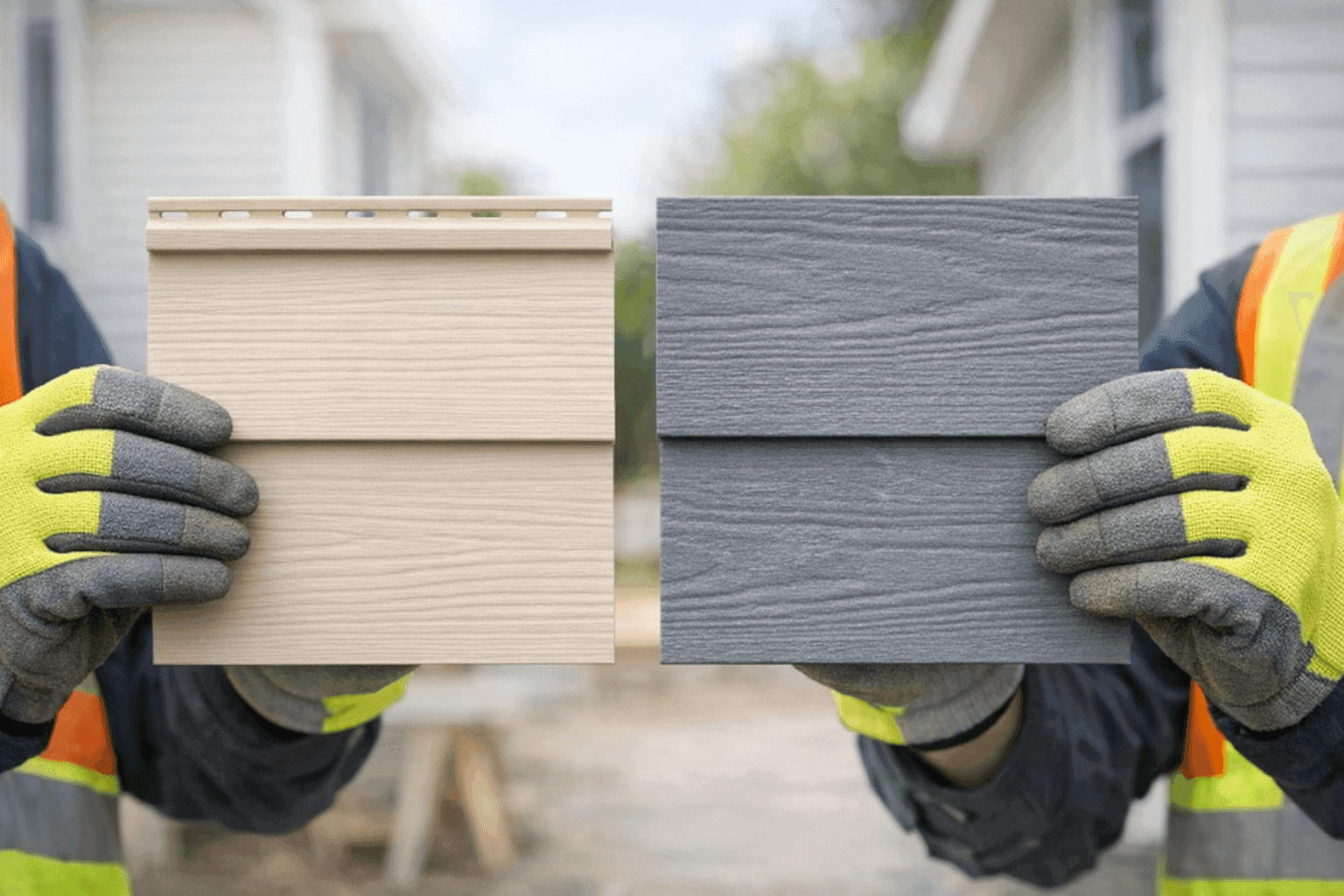
Choosing siding for your home or building isn’t just about looks—it’s about weather, budgets, and how much time you want to spend on maintenance. At POM Siding, we know homeowners and business owners want the facts, not hype. The two most popular siding materials today? Vinyl and fiber cement. But which one fits your needs best?
Let’s break down the real-world pros and cons, so you can feel confident in your choice—whether you’re updating a storefront or giving your house a fresh start.
Overview of Vinyl and Fiber Cement Siding
Vinyl siding has been around since the 1960s. It’s lightweight, made from PVC (a type of durable plastic), and comes in hundreds of colors. Fiber cement siding, on the other hand, is a blend of cement, sand, and cellulose fibers. It’s denser, heavier, and often mimics the look of wood or masonry.
Both are popular for a reason, but they have distinct personalities—like comparing a well-worn pair of jeans to a tailored suit.
- Vinyl siding: Budget-friendly, flexible design, low upfront cost.
- Fiber cement siding: Strong, stable, fire-resistant, and offers a high-end appearance.
Durability and Maintenance 🛡️
Vinyl Siding: The Easy-Going Option
Vinyl stands up well to rain and sun, and it doesn’t rot or attract insects. It’s flexible, so it can handle a few bumps from a stray baseball or hailstone. But it can crack in very cold weather, and strong impacts may leave dents or holes.
Maintenance is simple: just rinse with a hose or use mild soap for stubborn stains. No painting required—unless you want to change the color.
Fiber Cement Siding: Built for the Long Haul
Fiber cement is tough. It resists fire, pests, and rot, making it a favorite for safety-conscious property owners. It doesn’t warp in heat or cold, and it holds up for decades—even in harsh climates.
However, fiber cement needs a little more attention. Plan to repaint every 10-15 years, and keep an eye on caulking at joints to prevent water seepage. Power washing is safe, but avoid high pressure near seams.
Tip: Always follow manufacturer guidelines (like James Hardie’s care instructions) to avoid voiding warranties.
Appearance and Curb Appeal
They say first impressions last. The right siding makes your property stand out for all the right reasons.
-
Vinyl siding: Offers a wide range of colors, profiles, and textures. Want a classic clapboard look or bold board-and-batten? Vinyl delivers. The color runs through the material, so scratches are less noticeable.
-
Fiber cement siding: Mimics the look of wood, stucco, or even stone—without the maintenance headaches. The finish is richer, and many homeowners say it adds a "custom" look. Paint color flexibility is a bonus, but paint can fade over time.
Note: Some HOAs or historic districts may have rules about siding types—always check local codes before you decide.
Cost Considerations 💵
Budget is always a factor.
-
Vinyl siding: Lower material and installation costs. It’s the go-to for budget-conscious projects, rental properties, and anyone wanting a quick refresh.
-
Fiber cement siding: Higher upfront cost for both materials and labor. The panels are heavier, so installation takes longer and requires more skill. But it can boost property value and may lower insurance rates due to its fire resistance.
Don’t forget the long view: Factor in maintenance, repainting, and potential repair costs over 20–30 years.
Installation and Longevity
Vinyl Siding Installation
Quick and straightforward. Vinyl panels snap together and can be installed over existing siding in many cases. Less mess, less disruption to your routine. But improper installation can lead to warping or water infiltration.
Fiber Cement Siding Installation
Heavier and trickier to install. It usually requires removal of old siding and special tools for cutting. Pros wear masks to avoid inhaling dust. But when installed correctly, it can last 30 years or more.
For both materials, always hire licensed professionals who follow building codes and manufacturer guidelines.
Environmental Impact 🌱
Caring for the environment is more important than ever.
-
Vinyl siding: Made from PVC, a type of plastic. It’s recyclable, but local recycling options vary. Manufacturing and disposal can release chemicals, so consider the full lifecycle.
-
Fiber cement siding: Made from a blend of natural materials, but its production uses more energy. It lasts longer, which can offset some of the environmental costs. Some brands use recycled content.
Want to explore eco-friendly siding options? POM Siding offers guidance as part of our siding material consultation service.
Weather Resistance: Which Handles Storms Better?
Vinyl siding sheds water well and stands up to wind if properly installed. But it can lift or crack in severe storms. Fiber cement is heavier and more wind-resistant, and it holds strong against hail and flying debris.
In areas prone to hurricanes or winter storms, fiber cement may offer more peace of mind. But vinyl is less likely to trap moisture behind panels, which helps prevent mold in humid climates.
Fire Safety and Building Codes
Many building codes reference siding fire ratings, especially for multifamily or commercial properties. Fiber cement is non-combustible—meaning it won’t contribute fuel to a fire. Vinyl will melt or burn at high temperatures.
If you’re renovating a building near a property line or in areas with wildfire risk, check with your local building department, referencing standards like those from the International Code Council.
Siding for Different Climates
- Hot, sunny climates: Vinyl resists fading, but dark colors may get hotter and warp. Fiber cement handles heat well and won't melt but may need periodic painting.
- Wet or coastal zones: Fiber cement is less likely to mold or swell. Vinyl can be a good choice if installed with proper ventilation.
- Cold, snowy areas: Fiber cement resists cracking in freeze-thaw cycles. Vinyl may become brittle in subzero temps.
Maintenance Needs: Real-World Examples 🧹
Imagine this: You own a busy rental property. Tenants don't always report damage right away. Vinyl siding lets you hose off grime, and repairs are quick. For fiber cement, you'll need to schedule regular paint touch-ups—less ideal for hands-off owners but worth it if you want a timeless look.
- Vinyl: Clean once a year, inspect after storms, and replace cracked sections as needed.
- Fiber cement: Check sealant and paint every few years, clean with low-pressure water, and look for signs of moisture at joints.
Lifespan: How Long Will Each Siding Last?
- Vinyl siding: 20–30 years with proper care. Color and luster may fade over time, especially on sun-exposed walls.
- Fiber cement siding: 30–50 years or more. Paint cycles add to maintenance, but panels rarely need replacing.
Health and Safety During Installation
Cutting fiber cement releases silica dust, which is hazardous if inhaled. Installers should use NIOSH-approved masks and wet saws. Vinyl installation is safer, but always demand that your crew follows OSHA guidelines—safety on site protects everyone.
Common Mistakes to Avoid
- Don’t paint vinyl siding with dark colors—heat can cause warping.
- Don’t ignore caulking on fiber cement joints—water intrusion leads to big problems.
- Don’t skip underlayment or flashing—both sidings need moisture barriers, as recommended by the International Association of Certified Home Inspectors.
When to Call a Pro vs. DIY
Light vinyl repairs are DIY-friendly if you’re handy. But siding installation—especially fiber cement—requires training, safety gear, and a sharp eye for detail. The right pro will spot issues you might miss, like hidden rot or improper flashing.
For full siding replacement, installation, or anything involving soffit, fascia, or gutters, professional help is the best route. POM Siding’s teams handle everything from vinyl siding installation to storm repairs and weatherproofing.
Siding and Curb Appeal: Boosting Property Value
Curb appeal isn’t just about color. Fiber cement, with its deep textures and custom paint options, often appeals to buyers looking for a "move-in ready" look. Vinyl, on the other hand, is a budget-friendly facelift for aging homes or buildings.
Want to see how new siding can transform your property? Check out our work in Franklin siding services for inspiration and high-value siding options.
Warranty and Service
Most vinyl siding comes with manufacturer warranties, but they often exclude color fading or storm damage. Fiber cement warranties can last 30 years or more—if you follow care instructions.
Ask your installer for details on their fiber cement siding installation process and service plans.
Final Thoughts: Which Siding Is Best for You?
- Choose vinyl if: You want low cost, easy care, and a quick installation. You’re working with a tight budget or need a fast update.
- Choose fiber cement if: You want a long-term investment, high-end style, excellent fire resistance, and don’t mind occasional painting.
Every home or business is different. The best siding is the one that fits your needs, climate, and style. Still unsure? Our team offers honest, no-pressure siding material consultation to help you weigh the options.
Ready for a siding upgrade that fits your budget and style? Call POM Siding now — or reach us anytime at 888-870-1065 .