Understanding Siding Warranties: What’s Covered and What’s Not
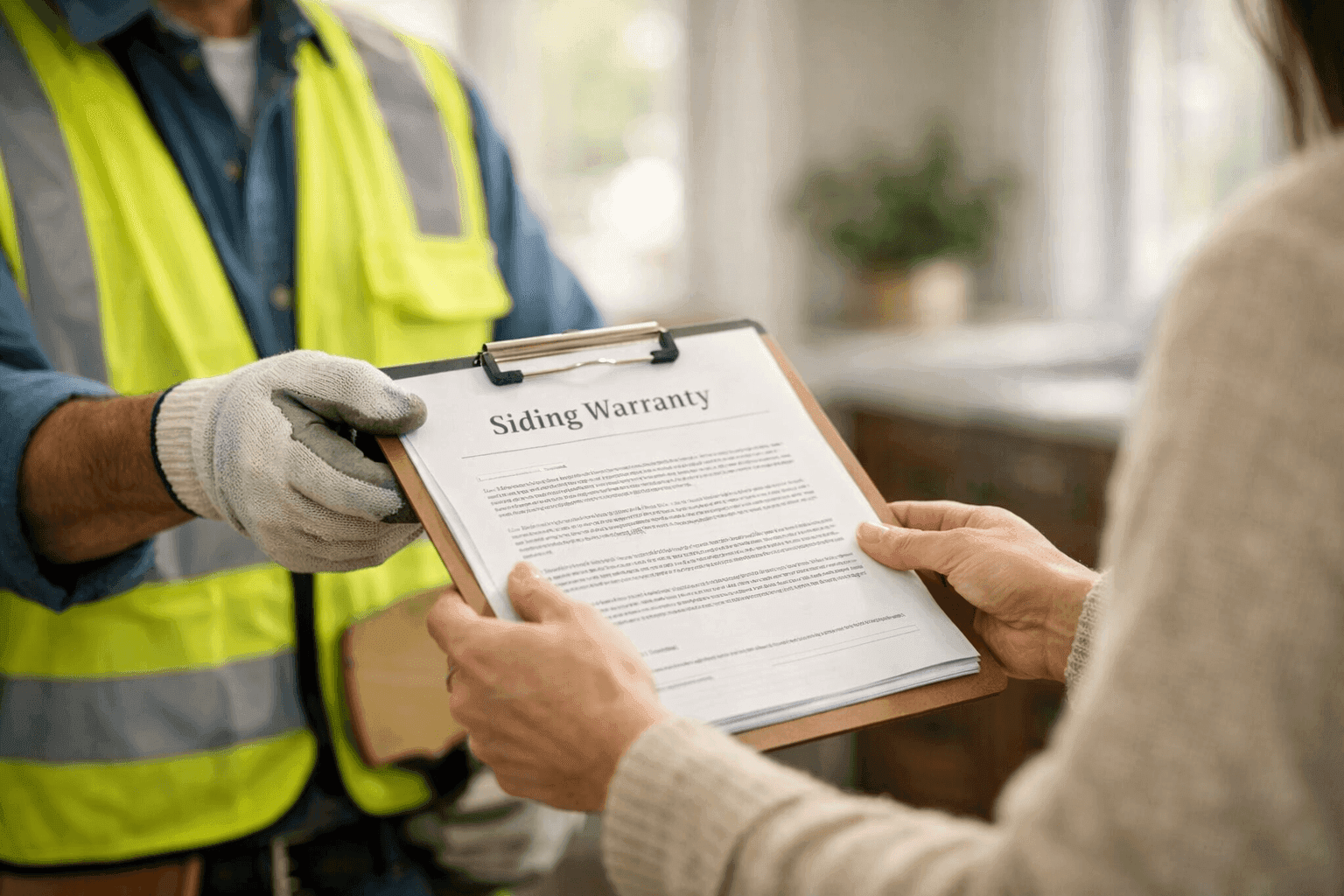
Your home’s siding isn’t just curb appeal—it’s armor. When it comes time to repair or replace, a warranty can be your umbrella on a rainy day. But what if the fine print is more confusing than comforting? At POM Siding, we’re here to break down the details so you never feel left out in the storm.
Let’s cut through the noise. Here’s what every property owner should know about siding warranties, from what’s typically covered to what can leave you on your own.
Types of Siding Warranties
Not all warranties are created equal. Like shoes, some cover the basics, others go the extra mile.
Material warranties come from the siding manufacturer. They cover defects—think cracks, fading, or warping that result from how the product was made.
Labor warranties come from the contractor. These focus on the quality of the installation itself, covering you if something was done incorrectly.
- Material Warranties: Usually last 10 to 50 years, depending on the siding type. Fiber cement and vinyl often have longer terms than wood or stucco.
- Labor Warranties: Typically 1 to 5 years. Some are transferable if you sell your property.
Warranties can be pro-rated (the coverage decreases over time) or non-pro-rated (full coverage for a set period). Always ask which you’re getting.
What’s Commonly Covered (and Not) 📝
Think of your warranty as a sturdy umbrella. It shields you from some storms, but not all.
Covered:
- Manufacturing defects (like warping, blistering, splitting)
- Excessive color fading (when specified by manufacturer)
- Installation errors (if under a labor warranty)
- Some forms of hail or wind damage, but only within stated limits
Not Covered:
- Normal wear and tear or “acts of God” (major storms, tornadoes, etc.)
- Damage from improper cleaning, power washing, or harsh chemicals
- Issues from poor maintenance (clogged gutters, neglected caulking)
- Modifications made after installation, like drilling holes for new fixtures
Read your paperwork closely. Exclusions are often hidden in the fine print. If you ever feel unsure, ask your installer to walk you through it.
Why Siding Material Matters
Vinyl, fiber cement, metal, and wood all have unique strengths—and unique warranty terms.
- Vinyl Siding: Known for color retention and low maintenance. Warranties often cover fading and cracking.
- Fiber Cement: Resists pests and fire. Warranties may exclude moisture damage from improper installation.
- Metal Siding: Durable against hail, but may have shorter coverage for paint finish.
- Wood Siding: Beautiful, but most susceptible to moisture issues; warranties are usually short and require careful upkeep.
When choosing a material, ask about both the warranty length and what’s not covered.
How to Protect Your Warranty
A warranty is like a handshake: it works both ways. There are steps you must take to keep it valid.
- Keep Good Records: Save your contract, proof of purchase, and any repair receipts.
- Follow the Maintenance Schedule: Clean siding regularly. Inspect for mold, mildew, or clogged gutters at least twice a year.
- Use Approved Products: Only use cleaners and paints recommended by the manufacturer.
- Professional Installation: DIY is tempting, but improper installation often voids warranties. Always use a certified installer—like POM Siding.
Some manufacturers require proof of periodic inspections or maintenance. Keep a simple log with dates and what was done.
Recognizing Warranty Red Flags
Some warranties sound good but are full of holes, like an umbrella with missing panels.
- Short coverage periods (less than 10 years for materials)
- Lots of exclusions (especially for common problems like color fading)
- Non-transferable warranties (bad news if you plan to sell)
- Complex claims processes that feel designed to wear you down
When in doubt, ask for the warranty in writing. If it’s not clear and straightforward, that’s a warning sign.
Siding Warranty and Weather Damage
Many homeowners are surprised to learn that not all storm damage is covered. Hail, wind, and heavy rain are often “named exclusions” unless you have additional coverage.
For storm or impact damage, your homeowner’s insurance may pick up where your siding warranty leaves off. It’s wise to review both policies together.
If your area is prone to storms, consider storm damage repair as an add-on service when reviewing your warranty.
The Role of Proper Installation
Think of installation as the foundation for your warranty. Even the best siding can fail if it isn’t installed right.
- Poor nailing or missed flashing can lead to leaks and rot.
- Improper spacing or joints can cause warping.
- Inadequate ventilation might void warranties on soffit and fascia.
That’s why choosing a professional—someone who understands [Soffit and Fascia Repair near you]—makes all the difference.
What To Do If You Spot a Problem
If you notice buckling, cracks, or water stains, don’t wait. Document the issue with photos and notes. Contact your installer or manufacturer right away.
Delaying a claim can sometimes void your warranty. Act quickly and keep all communication in writing.
Maintenance: Your Best Defense 🧰
A little care goes a long way. Here’s a simple checklist:
- Rinse siding gently twice a year
- Inspect caulking around windows, doors, and trim
- Clear gutters and downspouts to prevent water backup
- Repaint or reseal wood siding as recommended
- Look for pests or vegetation growing too close
Refer to manufacturer maintenance guides or the International Residential Code (IRC) for best practices.
DIY Repairs vs. Professional Help
Minor cleaning or touch-ups might be safe for homeowners. But for anything structural or involving caulking, flashing, or ventilation, don’t risk your coverage—call a pro.
Improper repairs are a leading cause of denied claims. For siding flashing repair, always use trusted professionals.
When Is It Time for Siding Replacement?
Warranties can’t cover everything, especially as siding ages. When repairs become frequent or siding loses its strength and appearance, it may be time to consider siding replacement.
Modern materials can offer better coverage and peace of mind.
Seasonal Considerations for Siding Warranties
Extreme cold or heat can affect both siding performance and your ability to claim warranty coverage. Some manufacturers have temperature guidelines for installation and maintenance.
In regions with harsh winters or blazing summers, follow the recommended schedule closely. This can help avoid accidental voiding of your warranty.
Common Mistakes That Void Warranties ⚠️
- Skipping regular cleaning or inspections
- Using unapproved paints, stains, or cleaners
- Letting plants, vines, or trees grow against siding
- Drilling into siding for satellite dishes or lights without permission
When in doubt, check your warranty paperwork or ask your installer.
Understanding Your Role vs. the Installer
Warranties are a partnership. You’re responsible for daily care; your installer is responsible for proper installation and repairs.
If you ever need a siding inspection or have warranty questions, reach out to POM Siding for guidance.
Siding Warranty FAQ
Q: Can I transfer my siding warranty when I sell my home?
A: Some warranties are transferable, but only within a certain timeframe. Check your paperwork.
Q: Do I need to register my warranty?
A: Many manufacturers require registration within a set window after installation. Don’t skip this step.
Q: What if I change the color or add trim later?
A: Modifications can void your warranty. Always consult the manufacturer or installer first.
How POM Siding Supports Your Warranty
We don’t just install siding—we help you safeguard your investment. Our team provides clear documentation, maintenance tips, and honest answers to your warranty questions. Whether you need siding warranty services or a full inspection, we’re committed to helping you make informed decisions.
For even more information about siding, including the best options and installation practices, check out our Southington siding services page for a deep dive into quality siding solutions.
A strong warranty is only as good as the care you put into it. For help with siding maintenance, repairs, or understanding your coverage, Call POM Siding now — or reach us anytime at 888-870-1065 .