Understanding Siding Warranties: What’s Really Covered?
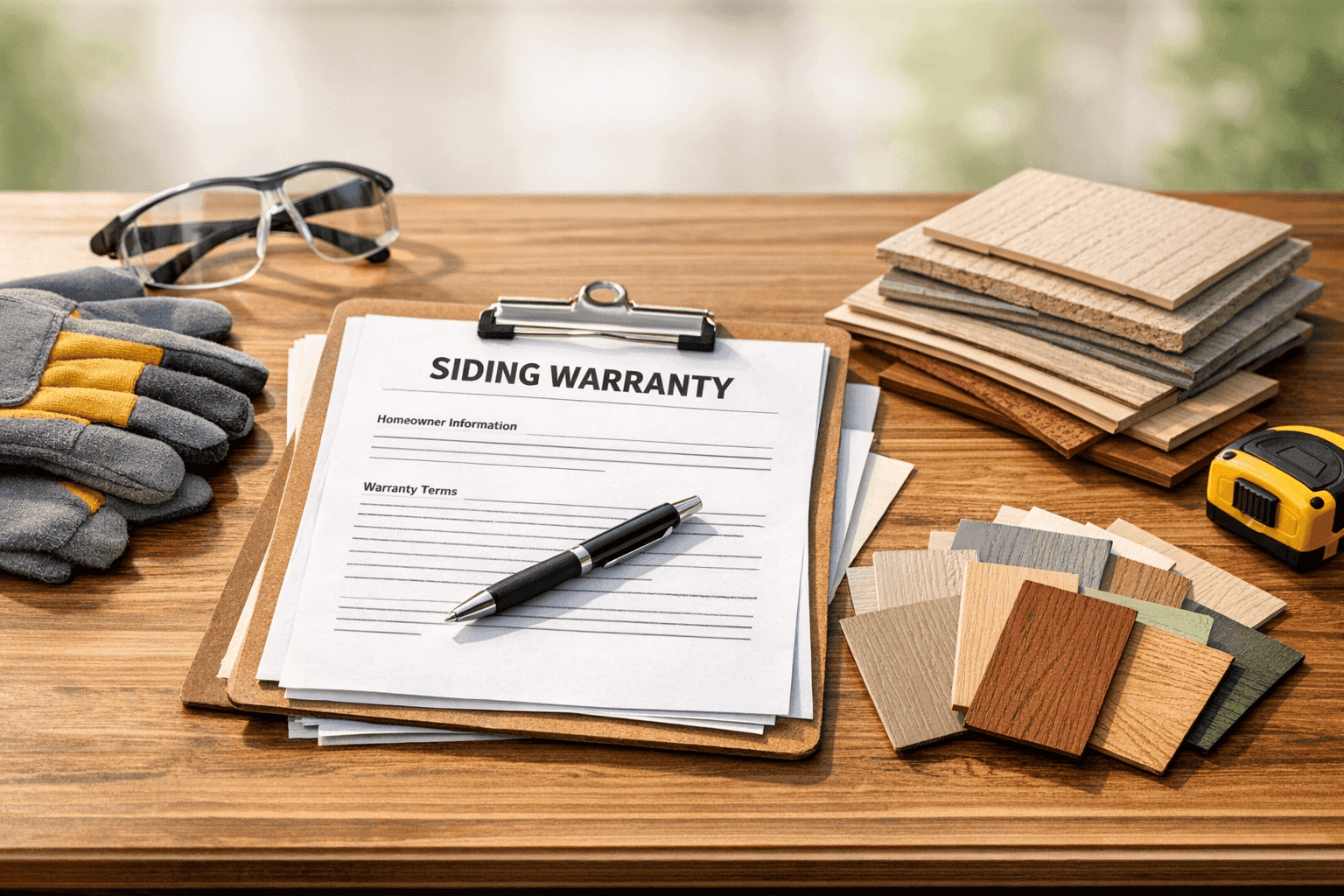
Siding isn’t just about curb appeal. It’s about shelter, value, and trust in your home or business. But what happens when siding fails, cracks, or peels far too soon? That’s where warranties step in—if you truly understand them.
At POM Siding, we’ve seen too many folks left out in the cold by warranty fine print. Let’s pull back the curtain on siding warranties, so you can protect your investment—and your peace of mind.
Types of Siding Warranties 🏷️
Not all siding warranties are created equal. In fact, they come in several flavors:
- Manufacturer Warranties: These cover defects in materials or craftsmanship. Think of them as a safety net from the people who made your siding.
- Workmanship Warranties: Offered by the installer, these cover errors made during installation—like misaligned panels or leaky flashing.
- Extended Warranties: Sometimes available for purchase, they may lengthen coverage or add extra perks.
Each type has its own rules and timelines. Manufacturer warranties can last anywhere from 10 years to “lifetime”—but read the details. Workmanship warranties are usually shorter, often 1–5 years.
Quick tip: Always ask for both documents, and keep digital copies in a safe spot.
What Is Typically Covered?
Picture your siding as a sturdy raincoat. Warranties usually cover things that shouldn’t happen to a good coat—like seams splitting, colors fading rapidly, or surfaces warping.
Commonly covered issues include:
- Cracking, peeling, or blistering under normal weather conditions
- Premature fading beyond industry standards
- Manufacturing defects (such as panels that won’t lock together)
- Water infiltration due to product failure
What’s not usually covered? Damage from accidents, misuse, or acts of nature like tornadoes. Some warranties also exclude coverage for mold growth, pest damage, or “improper maintenance.”
If you’re unsure about your specific warranty, check the paperwork or ask your installer.
Filing a Warranty Claim: Step-by-Step
Filing a siding warranty claim shouldn’t feel like running an obstacle course. Here’s how to smooth the path:
- Gather Your Documentation
- Keep your original warranty, proof of purchase, and installation records handy.
- Identify the Problem
- Take clear, date-stamped photos of the damage or defect.
- Contact the Right Party
- For manufacturing defects, reach out to the siding manufacturer.
- For installation issues, call the company that did the work.
- Complete Required Forms
- Most companies will have a claim form—online or by mail.
- Allow for Inspection
- A rep may visit to verify the issue. Be prepared to show them your documents and the affected area.
- Follow Up
- Stay in touch. Keep copies of all correspondence.
If your siding is still under warranty, you could save hundreds—or even thousands—on repairs or replacements. For more details on our own process, see our Siding Warranty Services.
How to Avoid Voiding Your Warranty
Warranties are like umbrellas—they only work if you handle them right. Here’s how to keep yours from blowing away:
- Follow Manufacturer’s Care Instructions: Use only recommended cleaning methods. Power washing can void some warranties!
- Schedule Regular Inspections: Even small issues can lead to big problems. Annual checks help you catch trouble early.
- Keep Records: Document all maintenance, cleaning, and repairs. It’s your proof if a claim is needed.
- Hire Qualified Installers: DIY fixes or unlicensed contractors can void coverage. Always use certified pros for soffit and fascia repair near you.
- Report Issues Promptly: Waiting too long can disqualify your claim.
Want even more peace of mind? Ask about coverage for siding repair and siding replacement during your next consultation.
The Fine Print: What Warranties Don’t Cover
It’s easy to assume a “lifetime” warranty means you’re set for good. But most warranties have exclusions—sometimes hidden in the tiniest print.
Typical exclusions:
- Storm, hail, or fire damage
- Improper installation or repairs by non-authorized contractors
- Neglect or lack of maintenance
- Normal aging or slight color changes
- Structural movement (like settling foundations)
When in doubt, ask for clarification before you need it. It’s better to know where you stand than to be surprised later.
Common Signs Your Siding Needs Attention
Don’t wait for a major failure to check your siding:
- Warping or buckling panels
- Soft spots or bubbling
- Cracks, chips, or loose pieces
- Staining or mildew growth
- Drafts or moisture inside
If you spot any of these, schedule an inspection. Acting quickly can prevent minor issues from voiding your warranty.
Siding Maintenance: Your Best Defense
Think of siding maintenance as brushing your teeth—it’s routine, but it prevents major headaches. Here’s what to do:
- Wash siding annually using a soft brush and mild soap (unless your warranty says otherwise).
- Clear gutters and downspouts to prevent water damage.
- Inspect caulking and seals—replace if cracked or missing.
- Trim nearby trees and bushes to avoid scratching or impact damage.
Regular care not only extends the life of your siding, it keeps your warranty valid.
When to Consider Siding Repair or Replacement
Warranties can save you money—but sometimes, repair or replacement is the only answer. Call a pro if:
- You notice widespread damage (not just one panel)
- The same problem keeps returning
- Your warranty claim is denied due to age or exclusions
Professional siding repair or replacement can restore protection and value, especially after storm damage or years of wear.
Weather Factors and Seasonal Checks 🌦️
Siding takes a beating from the weather—rain, snow, sun, and wind. Each season brings new risks:
- Spring: Check for winter damage—cracks, warping, or loose trim.
- Summer: Watch for fading, mildew, or insect activity.
- Fall: Clear leaves and debris from soffits, fascia, and gutters.
- Winter: Inspect after storms, and clear snow buildup to avoid leaks.
Seasonal checks keep your siding (and its warranty) in top shape.
DIY or Professional Help: What Works Best?
Some tasks—like cleaning or minor caulking—are great DIY projects. But for anything involving installation, replacement, or repairs, it pays to call a licensed siding contractor.
Why? Manufacturers often require professional installation for warranty coverage. A small DIY mistake can cost you big later.
Emergency Siding Issues: What Counts?
Not all siding damage can wait. If you have water pouring in, exposed insulation, or panels ripped off by wind, it’s time for emergency help.
Addressing urgent issues right away helps you stay within warranty terms and prevents bigger (and costlier) problems.
Documentation: Your Warranty Lifeline
Keep a “siding file” with:
- Original warranty paperwork
- Purchase receipts
- Photos of installation and maintenance
- Notes on repairs and inspections
If you ever need to file a claim, having these on hand can make all the difference.
Siding Codes and Safety Guidelines
Always follow local building codes and manufacturer recommendations. The International Building Code (IBC) and International Residential Code (IRC) provide key standards for siding installation and material performance.
Following code ensures safety, performance, and helps maintain warranty protection.
FAQ: Siding Warranty Questions
Q: What does a “lifetime” siding warranty mean?
A: “Lifetime” usually means as long as you own the property, but terms and coverage can change if you sell.
Q: Will my warranty transfer if I sell my home?
A: Sometimes, but check the paperwork. Some warranties have transfer fees or reduced coverage for new owners.
Q: Can I use any contractor for repairs?
A: Only if your warranty allows it. Many require approved or certified installers.
Siding Warranty Terms to Know
- Prorated: Coverage decreases over time.
- Non-prorated: Full coverage for the entire term.
- Transferable: Can be passed to the next property owner.
- Exclusions: What’s not covered.
Understanding these terms helps you compare warranties and pick the best fit for your property.
Cost Factors and Timeframes
Warranty claims can take anywhere from a few days to several weeks, depending on the issue and paperwork required. Manufacturers may cover full or partial costs for materials and sometimes labor.
Out-of-pocket costs can be minimized if you keep up with maintenance and stay within warranty guidelines.
How to Get the Most from Your Siding Warranty
- Register your warranty right after installation.
- Stay current with maintenance.
- Keep all records in one place.
- Ask questions—no detail is too small.
Looking for siding warranty help or repairs? If you’re searching for siding services in Rocky Mount, POM Siding is here to help.
Siding warranties shouldn’t be a mystery. With the right knowledge—and a little preparation—you can make sure your siding investment stays protected for years to come.
Call POM Siding now — or reach us anytime at 888-870-1065 .