Trim & Molding Installation: The Finishing Touch for Exteriors
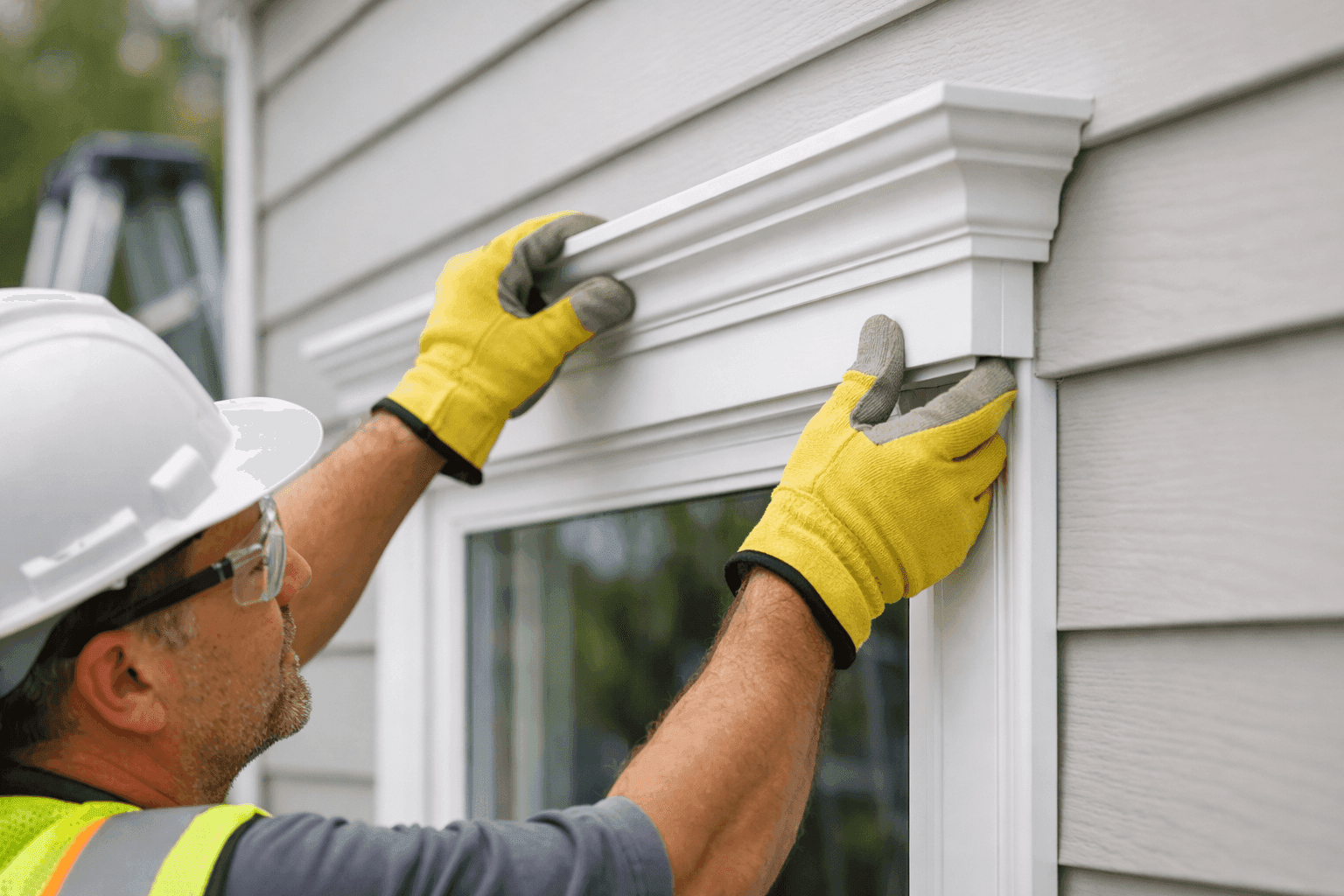
When you look at a house and feel that little spark of admiration, it’s often the details you’re seeing—the trim framing the windows and the molding tracing every edge. At POM Siding, we know these finishing touches are what transform siding from “done” to “outstanding.” Whether you’re a homeowner or run a business property, the right trim and molding installation makes exteriors stand out, protects your investment, and delivers long-lasting beauty.
Time, weather, and everyday wear tug at these details. Letting them slide can lead to bigger siding headaches down the road. That’s why our team takes every trim and molding project seriously, guiding you from style selection to final inspection.
Why Trim & Molding Matter 🏡
Imagine a painting without a frame. The art might be beautiful, but it feels incomplete. That’s how siding looks without proper trim and molding. These aren’t just decorative extras—they’re vital for protection, structure, and curb appeal.
- Protection: Trim seals the vulnerable edges where siding meets windows, doors, and roofs. It’s the shield that keeps rain, insects, and drafts at bay.
- Style: Molding adds character and depth, giving the exterior a finished, thoughtful look.
- Structure: Trim and molding cover gaps, reduce moisture infiltration, and help siding last longer.
- Property Value: A well-trimmed exterior signals care and quality to buyers and neighbors alike.
When trim or fascia boards are missing or rotting, you’re inviting trouble. Water damage, pest intrusion, and energy inefficiency quickly follow. According to the International Association of Certified Home Inspectors (InterNACHI), poorly maintained exterior trim is a leading cause of hidden water damage.
Trim and Molding Styles: Matching Personality to Protection ✨
Every building tells a story. The trim and molding you choose set the tone—classic, modern, bold, or subtle. Here’s a quick tour of popular options:
- Flat Trim: Clean lines. Minimalist. Ideal for contemporary homes or offices.
- Crown Molding: Adds a stately, traditional touch. Especially popular around entries and rooflines.
- Brick Mold: Slightly raised, perfect for framing windows and doors on masonry or siding.
- Corner Boards: Protect and accentuate outside corners. Choose wide for drama, narrow for simplicity.
- Decorative Fascia: Finishes roof edges with flair. Options range from plain to ornately carved.
- Custom Profiles: Tailored looks for commercial properties or historic homes.
Color tip: Don’t just match the siding. Consider contrasting or complementary shades for extra depth. Our siding painting service helps you coordinate trim colors that last, resist fading, and suit your style.
The Installation Steps: Craftsmanship in Motion
Installing trim and molding isn’t just about nailing boards to a wall. It’s a precise process that takes skill, the right tools, and an eye for detail.
Step 1: Inspection & Consultation
First, our team walks the property, checking for hidden trouble—rot, mold, or past water damage. We’ll explain what we find, answer questions, and discuss trim options that fit your goals and budget.
Step 2: Material Selection
Not all trim is created equal. Depending on your siding—vinyl, fiber cement, wood, or metal—we help you pick materials that resist weather and wear. Wood looks warm and classic, but needs more upkeep. PVC and composite options fight rot and bugs. Fiber cement offers serious durability. Aluminum trim, paired with siding trim repair, is often the go-to for commercial exteriors.
Step 3: Site Prep & Safety
Safety first. We follow OSHA guidelines—securing ladders, using goggles, and keeping the site tidy. Old trim is carefully removed. Surfaces are checked for damage and repaired as needed, so new trim sits flush and secure.
Step 4: Precision Cutting & Fitting
This is where the magic happens. Each piece is measured, cut, and dry-fitted. Corners must be tight and profiles seamless. For curves or custom details, we use specialty saws and templates.
Step 5: Fastening & Sealing
Trim and molding are secured with corrosion-resistant fasteners. Every joint, nail hole, and edge gets caulked and sealed to block out water. This step is crucial—skimp here, and you’ll be patching leaks later.
Step 6: Finishing Touches
Paint or stain comes last (if needed). We use products that meet local building codes, resist the weather, and stand up to sun and storms.
Maintenance and Care: Lasting Beauty, Fewer Surprises 🧰
Well-maintained trim and molding can last decades, but only with a little regular attention.
- Annual Inspection: Check for cracks, peeling paint, or soft spots. Catching problems early avoids expensive repairs.
- Cleaning: Gently wash with mild soap and water once or twice a year. Avoid pressure washers—they can force water behind the trim.
- Caulking & Sealing: Re-caulk gaps as needed. This is especially important before and after storm season.
- Painting: Repaint every 5–10 years, or sooner if you see fading or flaking.
- Pest Prevention: Keep vegetation trimmed back. Ants and termites love damp, neglected wood.
If you’re not sure what to look for, schedule a professional siding inspection. Our team can spot trouble areas and recommend simple fixes before they snowball.
The Real Impact: Before & After
We’ve seen homes transform from tired to magazine-worthy with nothing more than fresh trim and molding. Faded, cracked edges replaced with crisp, clean lines. Corners that once let in drafts now tight and weatherproof. For commercial properties, new trim can reinforce your brand and attract clients.
It’s not just about looks. Trim and molding installation is the armor that keeps your siding—and everything behind it—safe from the elements.
Common Mistakes to Avoid
Even seasoned DIYers can stumble here. Watch out for these pitfalls:
- Ignoring underlying rot: If the base wood is soft, new trim won’t last.
- Skipping flashing: Water needs a path away from the house. Without proper flashing, leaks are inevitable.
- Overlooking paint quality: Cheap paint peels fast, leaving trim exposed.
- Improper nailing: Nails driven too deep split the wood. Too shallow, and the trim pulls away.
- Mismatched materials: Not all trims play well with every siding type. Ask a pro if you’re unsure.
Quick DIY Safety Checklist
- Wear safety goggles and gloves.
- Use stable ladders on level ground.
- Keep power tools unplugged when not in use.
- Don’t work alone—especially on second stories or large commercial jobs.
When in doubt, call in the professionals. The cost of a botched job can quickly outpace the price of hiring skilled installers.
DIY or Call a Pro?
Some straightforward trim repairs can be tackled by handy homeowners. But full replacement, high spots, complex profiles, or commercial trim jobs? That’s a job best left to trained crews. POM Siding’s team brings the right tools, know-how, and safety gear to get it right the first time.
Weather & Seasonal Smarts 🌦️
Trim and molding are most vulnerable right after storms or heavy rains. In cold climates, freeze-thaw cycles can crack caulking and warp boards. Inspect after big weather events. Spring and fall are the best seasons for installation—mild temps help paint cure, and schedules are more flexible.
For siding and trim in areas prone to high winds or hail, ask about reinforced or impact-resistant materials.
Signs It’s Time for an Upgrade
Wondering if your trim needs attention? Look for:
- Soft, spongy spots or visible rot
- Gaps or separations at joints and corners
- Peeling paint or bubbling
- Insect activity near joints
- Water stains or streaks on siding
Don’t wait for these issues to get bigger. Proactive repairs save money and peace of mind.
Costs, Timeline, and Disruption
Trim and molding installation costs vary by material, size, and design complexity. Simple repairs may take just a few hours. Full replacement on a large home or commercial building could span several days. Our crew minimizes disruption—keeping workspaces clean and safe, and communicating every step.
What Pros Do on Arrival
When you schedule trim and molding installation, expect a thorough assessment. We’ll discuss your goals, inspect the siding, measure every edge, and walk you through options. You get clear next steps, honest timelines, and a detailed work plan.
Frequently Asked Questions
Q: Can I match new trim to my old siding?
A: Usually, yes. We work with a range of materials and colors to blend new with old, or update the whole look.
Q: Is special maintenance needed for fiber cement or metal trim?
A: These materials are low maintenance, but still benefit from annual inspections and occasional cleaning.
Q: Do you handle storm or emergency repairs?
A: Yes, our team can respond quickly to urgent trim and siding issues—especially after severe weather.
Q: How can I boost curb appeal fast?
A: Fresh trim and molding is one of the fastest, most cost-effective ways to revitalize your property’s exterior.
Your Next Step: Bring Out the Best in Your Siding
Trim and molding are more than accents—they’re the unsung heroes of a durable, eye-catching exterior. If your property needs an upgrade, or if you’ve noticed signs of wear, let POM Siding bring your vision to life.
For those looking for Soffit and Fascia Repair near you, or anyone seeking the best in siding craftsmanship, check out our Florence siding specialists for trusted, local expertise.
Call POM Siding now — or reach us anytime at 888-870-1065 .