Stucco Siding: Installation, Upkeep, and Modern Uses
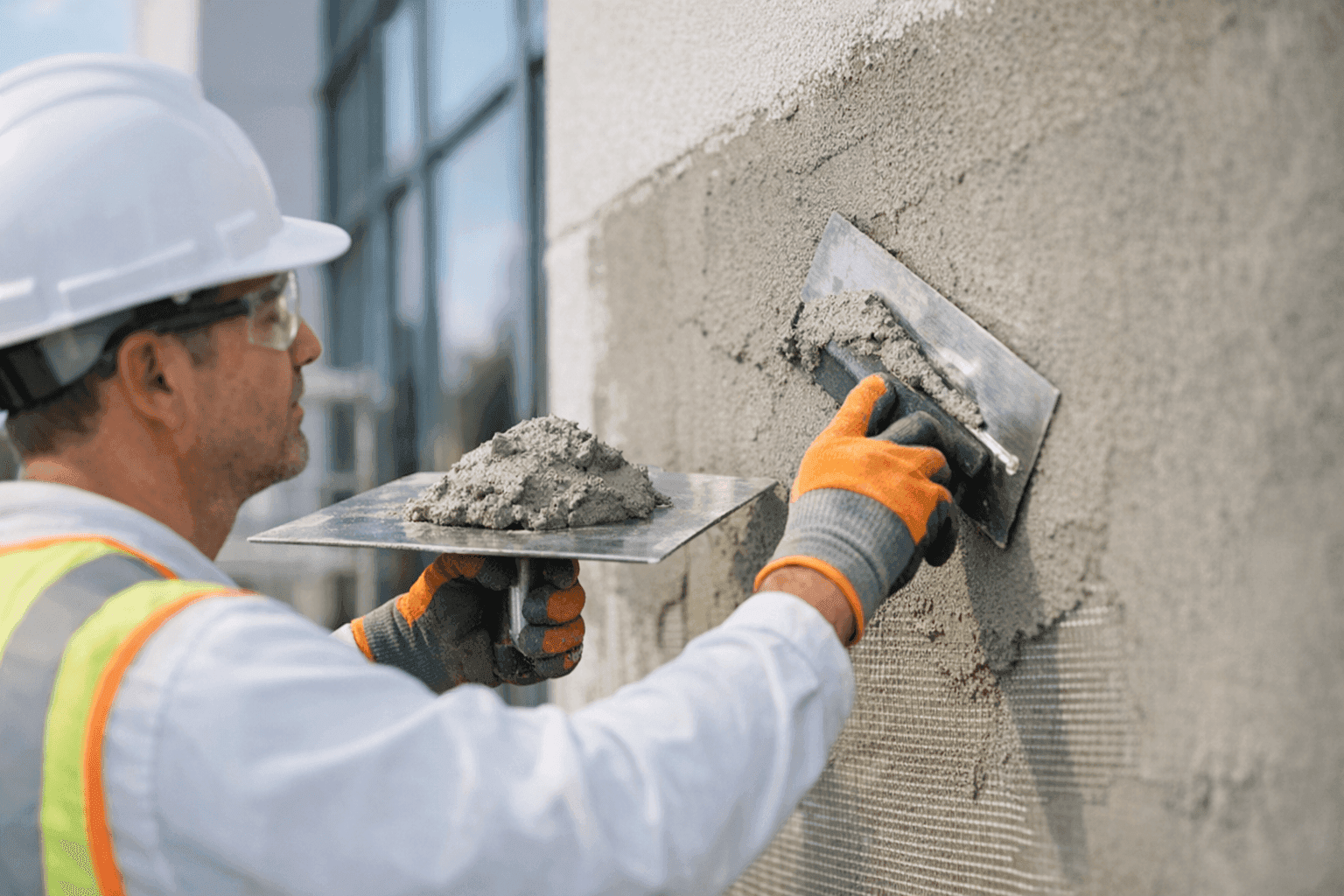
When you picture a building that stands the test of time—weathering storms, blocking summer heat, and standing tall year after year—chances are, stucco siding is part of that image. Stucco isn’t just a finish. It’s a shield, a style statement, and sometimes, a little bit of both.
At POM Siding, we know the siding on your home or business isn’t just decoration. It’s protection and personality, too. If you’re considering new siding or need to know how to care for existing stucco, this guide is for you.
What Makes Stucco Unique
Stucco is more than just a pretty face on a building. It’s the workhorse of exterior finishes. Imagine a tough, flexible jacket that hugs your home—one that’s breathable, yet blocks out the worst the weather can throw.
- Versatile Formula: Traditional stucco is a blend of cement, sand, lime, and water. This natural mix creates a hard, durable shell. Modern versions may include acrylics for extra flexibility.
- Superior Insulation: Stucco acts like a cozy blanket in winter and a sunshade in summer. Its density helps regulate indoor temperatures and can boost energy efficiency.
- Fire & Pest Resistance: Unlike wood, stucco won’t feed a fire or house termites.
- Aesthetic Freedom: It’s a blank canvas for color and texture—think smooth, rough, swirled, or even patterned.
For both residential and commercial properties, stucco offers a timeless look and proven performance. If you’re searching for “Soffit and Fascia Repair near you,” consider how stucco upgrades can complement those finishes seamlessly. 🏠
Installation Process
Stucco siding installation isn’t a job for guesswork. Each layer plays a role—skip one, and the whole system can fail. Here’s how pros like POM Siding tackle it:
- Prep the Surface: Existing siding comes off. The wall’s sheathing is checked for damage. We install a water-resistant barrier (per International Building Code).
- Install Lath: A wire mesh (lath) goes up next. It’s the framework that holds the stucco in place.
- Apply Scratch Coat: The first layer—a thick, gritty base—is troweled on and scored for grip.
- Brown Coat: A smoother layer is added, leveled, and left to harden. This gives the wall strength and shape.
- Finish Coat: Here’s where artistry meets engineering. The final coat sets the color and texture—whether you want classic smooth, dash, or intricate swirls.
- Cure and Inspect: Stucco needs time to cure, like fresh bread settling after a bake. Proper curing prevents cracks and ensures longevity.
Pro tip: Stucco installation is a multi-day process. Weather matters—a dry, mild stretch is best for application and curing.
Modern Design Options
Stucco’s reputation for “old world” charm is well deserved. But don’t let that fool you—today’s stucco can be sleek, bold, and completely custom.
- Color Choices: Pigment added directly to the mix means color runs deep. Fading and chipping are less of a worry.
- Textures: From glass-smooth to rough “Santa Fe” swirls, the only limit is imagination.
- Trim & Accents: Pair stucco with wood, stone, or metal trim for dramatic contrasts.
- Eco-Friendly Mixes: Newer acrylic stuccos can be more flexible and less prone to cracking.
Want to match the look of your neighborhood? Or set your commercial property apart? A professional siding material consultation helps you find the perfect blend of function and flair. 🎨
Maintenance and Repairs
Stucco is famously low-maintenance, but not maintenance-free. Like a classic car, it needs an occasional tune-up to keep shining.
Routine Upkeep
- Annual Inspection: Walk around your property each spring and fall. Look for cracks, bulges, or discoloration.
- Cleaning: Hose down gently or use a soft brush. Skip the pressure washer—it can do more harm than good.
- Caulking Joints: Check around windows, doors, and trim. Fresh caulk keeps water out and drafts at bay.
- Painting: If your stucco is painted, expect to repaint every 7–10 years for best appearance.
Common Repairs
- Hairline Cracks: These are mostly cosmetic. Special stucco patch and paint will hide them.
- Larger Cracks/Bulges: These signal deeper issues—possibly water damage or foundation settling. Call in the pros for a thorough inspection.
- Staining/Mildew: Clean stains with mild detergent and water. Persistent spots may require deeper remediation.
If you’re unsure whether a crack is harmless or a red flag, a siding maintenance check can bring peace of mind.
DIY or Call a Pro?
Some tasks—like cleaning or minor caulking—are homeowner-friendly. But for anything beyond the surface, professional help is best. Stucco repairs need the right materials, mixing ratios, and curing times. Cutting corners leads to mismatched patches or moisture problems down the road.
Tip: If you spot damage after a storm, act fast. Moisture trapped behind stucco can cause hidden rot or mold.
Stucco for Homes and Businesses
Stucco’s strength and style make it a top choice for both homes and commercial properties. For residences, it’s a smart way to boost curb appeal while lowering utility bills. For businesses, stucco offers durability with minimal upkeep—perfect for busy storefronts, offices, or multi-unit buildings.
And if you’re looking for high-impact siding installation in New Orleans, check out this page on siding contractors in New Orleans for more information.
Quick Safety Checklist
- Always use proper protective gear when handling stucco mixes (gloves, dust mask, goggles).
- Never apply stucco in extreme heat or freezing temperatures.
- Ensure all wall surfaces are dry and structurally sound before starting work.
- Follow local building codes for barriers, flashing, and fire safety.
Refer to the International Residential Code (IRC) for detailed guidelines.
Timeline & Disruption
A typical stucco installation on a single-family home takes 1 to 2 weeks, depending on weather and project size. Commercial sites may take longer. There will be some noise and dust, but good contractors keep disruption to a minimum.
Costs & Value
Stucco is an investment. While its upfront cost can be higher than vinyl, its lifespan and low upkeep often balance the scales. Factor in energy savings, and many property owners see long-term value.
Signs of Trouble
Keep an eye out for:
- Large, expanding cracks
- Efflorescence (white powdery residue)
- Damp spots or peeling paint inside your home
- Sagging or bulging sections of siding
Early intervention saves money and extends the life of your siding.
Prevention & Seasonal Care
- Keep gutters clean and direct water away from stucco walls.
- Trim shrubs and trees so they don’t trap moisture against your home.
- After major storms or freezes, inspect for damage.
- Schedule professional inspections before winter and again in spring.
FAQ: Stucco Siding
Q: Can stucco be installed over existing siding?
A: Usually, the old siding must be removed. Stucco needs a solid, moisture-proof base.
Q: How long does stucco last?
A: With proper care, 50 years or more isn’t uncommon.
Q: Does stucco work in wet climates?
A: Yes, but proper installation and flashing are crucial to prevent water intrusion.
When It’s an Emergency
If you see large cracks after a storm, or water is leaking inside, it’s time to call for emergency siding services. Quick action limits damage and keeps your property safe.
Final Thoughts
Stucco siding is both an art and a science. When installed and maintained properly, it brings out the best in your property—beautiful, efficient, and built to last.
Ready to upgrade or need help keeping your stucco looking sharp?
Call POM Siding now — or reach us anytime at 888-870-1065 .