Stucco Siding Installation: Pros, Cons & Maintenance
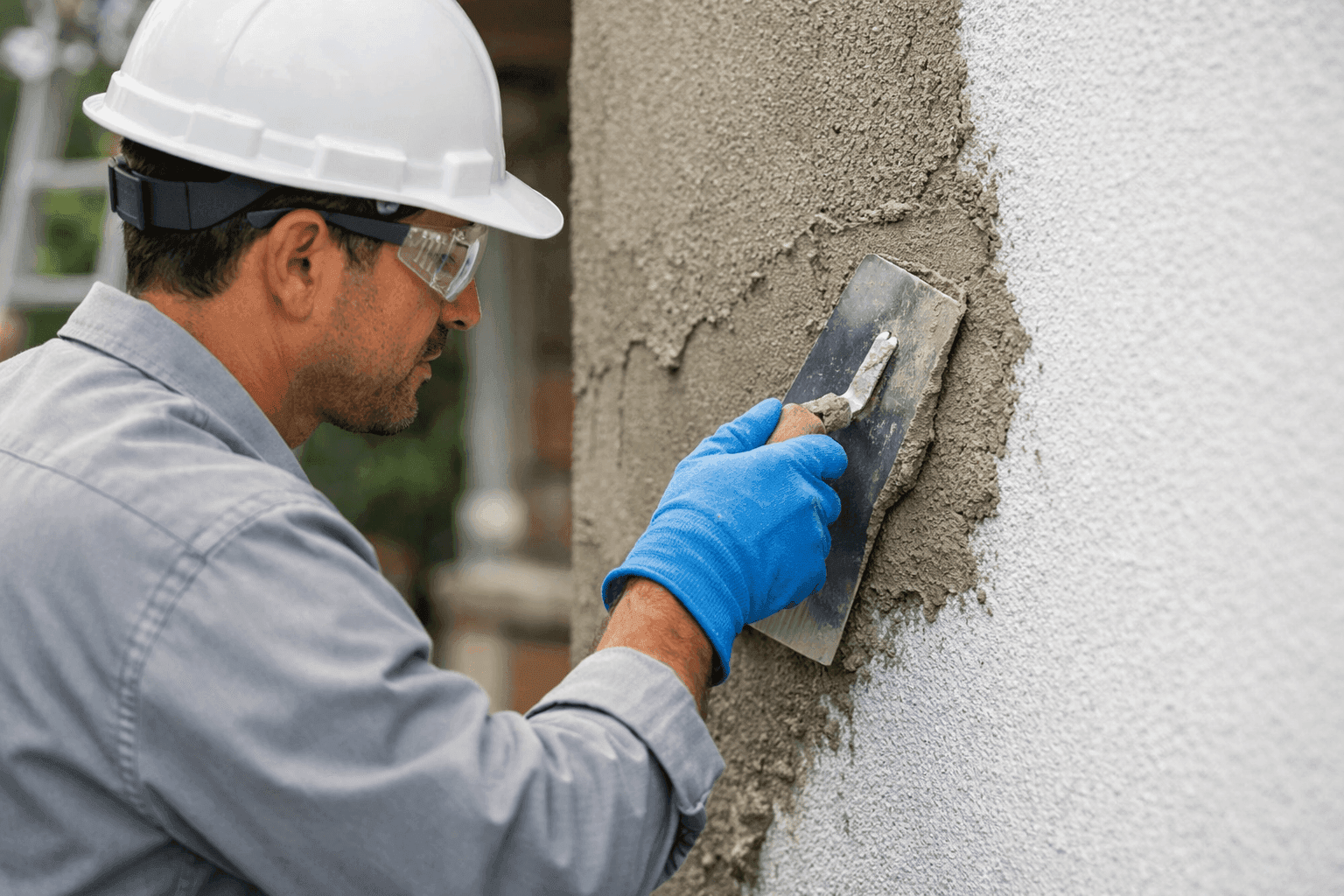
Is your building’s exterior showing its age? Wondering if there’s a better, longer-lasting option than paint, wood, or vinyl? At POM Siding, we get these questions every day. Stucco siding has been around for centuries—there’s a reason Mediterranean homes still look sharp after generations.
But is stucco the right choice for your project? Let’s dig deep into the facts, so you can make a decision that stands the test of time and weather.
What is Stucco Siding? 🏠
Stucco is like a sturdy shell for your house. It’s a mix of cement, sand, lime, and water—sometimes with special additives—that hardens into a durable, textured surface. Once applied, it clings to your exterior walls, forming a seamless barrier against the elements.
- Traditional stucco: This classic formula has been used since ancient times. It’s tough, dense, and offers a timeless look.
- Modern synthetic stucco (EIFS): Engineered for flexibility, crack resistance, and insulation, but requires different installation methods.
Both styles are popular for their unique appearance and weather resistance. Stucco isn’t just for Spanish villas or desert homes; it works well for both residential and commercial buildings across North America.
Installation Process Overview
Installing stucco siding is a bit like building a layer cake—each step matters for strength and finish. Here’s how the pros at POM Siding tackle it:
- Preparation: Old siding comes off. We inspect the sheathing for damage or moisture. Repairs happen before anything else.
- Weather Barrier: A water-resistant barrier (like building paper or house wrap) goes up, meeting local code and ASTM standards.
- Lath Installation: Metal or fiberglass mesh (the “lath”) is fastened to provide grip for the stucco.
- Scratch Coat: The first thick layer of stucco is troweled on and scored for texture—this helps the next layer stick.
- Brown Coat: A second layer smooths out the surface. It cures for several days, building strength.
- Finish Coat: The final, colored layer adds texture and personality. Think smooth, swirled, or pebbled—your call.
Each phase needs time to cure—no shortcuts allowed. A rushed job leads to cracks, moisture problems, and headaches down the road.
The Pros of Stucco Siding
Why do so many homeowners and business owners choose stucco? Here are the standout benefits:
- Energy Efficiency: Stucco acts like a thermal blanket. It insulates against heat and cold, helping you save on energy bills.
- Durability: Properly installed stucco can last 50 years or more. It resists fire, insects, and rot—unlike wood or vinyl.
- Low Maintenance: Stucco doesn’t need frequent painting. Occasional washing keeps it looking fresh.
- Custom Appearance: A rainbow of colors and textures is possible. Match any style, from classic to contemporary.
- Sound Dampening: Thick stucco walls muffle outside noise—a blessing near busy roads or commercial zones.
The Cons of Stucco Siding
Nothing is perfect, and stucco has its challenges:
- Cracking: Like a dry riverbed, stucco can crack—especially if installed too quickly, or if your foundation shifts.
- Moisture Issues: Stucco hates standing water. Improper installation or flashing can trap moisture, leading to mold or rot.
- Not Ideal for All Climates: In areas with heavy rainfall or freeze-thaw cycles, stucco needs extra care.
- Repairs Can Be Tricky: Matching color and texture after a patch isn’t easy. It’s not a “weekend fix” if something goes wrong.
- Upfront Cost: Stucco installation costs more than basic vinyl siding, though it tends to last longer.
Safety & Building Code Considerations
Stucco must be installed according to the International Building Code (IBC) and local regulations. Proper use of weather barriers and lath, and maintaining minimum thickness, are critical. Always work with qualified professionals familiar with code requirements and safety standards.
DIY or Call a Pro?
Stucco is not a DIY-friendly material. The process demands skill, timing, and specialized tools. Even a tiny mistake—like missing a spot in the weather barrier—can lead to major repairs later.
For soffit and fascia repair near you, or a full stucco siding install, hiring trained professionals reduces risk and ensures your warranty stays valid.
Cost and Timeline Factors
- Cost: Stucco installation typically costs more than vinyl or aluminum siding, but less than stone veneer. Factors include wall size, complexity, and custom finishes.
- Timeline: Expect 1–2 weeks for most homes, factoring in cure times between layers. Bad weather can slow things down.
- Disruption: Some noise, dust, and scaffolding are unavoidable. Most projects allow you to stay in your home or keep your business open.
When to Repair or Replace Stucco
- Cracks: Small hairline cracks are common. Wider cracks (>1/8 inch) or bulging areas need immediate attention.
- Staining or Mold: Discoloration often signals trapped moisture. Don’t ignore it—get a siding inspection.
- Flaking or Chipping: This means the finish coat is failing. Repairs can be localized or, for widespread issues, a full replacement might be needed.
Stucco Siding Maintenance Tips 🧰
Take care of your investment with these practical steps:
- Inspect Annually: Look for cracks, stains, or soft spots. Early action prevents small issues from spreading.
- Keep Gutters Clear: Overflowing gutters send water down your walls, which stucco doesn’t like. Clean them regularly.
- Seal Joints and Flashes: Caulking around windows, doors, and seams prevents moisture entry.
- Wash Gently: Use a hose or low-pressure washer—never high-pressure, which can damage the finish.
- Address Cracks Promptly: Fill small cracks with a flexible patching compound. For bigger issues, call a pro.
For tailored siding maintenance plans, learn about our siding maintenance services.
Common Stucco Siding Mistakes to Avoid
- Skipping the Weather Barrier: This is your wall’s raincoat. Never cut corners.
- Inadequate Curing: Each coat needs time to harden. Rushing leads to future cracks.
- Ignoring Drainage: Downspouts and grading should move water away from walls. Pooling water is a recipe for trouble.
Seasonal Care and Considerations
- Freezing Temps: Avoid stucco work in cold snaps—frozen water in the mix weakens the material.
- Heavy Rains: Wet weather delays installation and can cause improper curing.
- Storm Damage: After severe weather, check for new cracks or chips. Ask about our emergency siding services if you spot serious damage.
Siding Material Consultation: Is Stucco Right for You?
Choosing siding is like picking the right shoes for your journey. Stucco fits many paths, but not all. Before you commit, weigh your climate, budget, and maintenance expectations. Need a second opinion? Our siding material consultation team is here to help you compare options, from fiber cement to metal siding.
Siding & Stucco in Your Area
If you’re searching for reliable siding installation in Topeka or nearby, see why so many turn to POM Siding for residential and commercial siding in Topeka.
Frequently Asked Questions
Q: How long does stucco siding last?
A: With proper installation and care, stucco siding often lasts 50+ years.
Q: Can stucco be painted?
A: Absolutely. Use high-quality, breathable exterior paint to refresh faded or stained stucco.
Q: Is stucco siding eco-friendly?
A: Traditional stucco uses natural materials and can be paired with insulation for energy efficiency.
Q: What’s the best climate for stucco?
A: Dry, mild climates are ideal, but with proper installation and maintenance, stucco can succeed in many regions.
Final Thoughts
Stucco siding is tough, stylish, and energy-efficient, but it’s not for every climate or every property owner. If you want a lasting investment and a unique look, it’s hard to beat. But installation and upkeep matter. Make sure you have the right team on your side.
Call POM Siding now — or reach us anytime at 888-870-1065 .