Storm Damage Siding Repair: What to Do Right Away
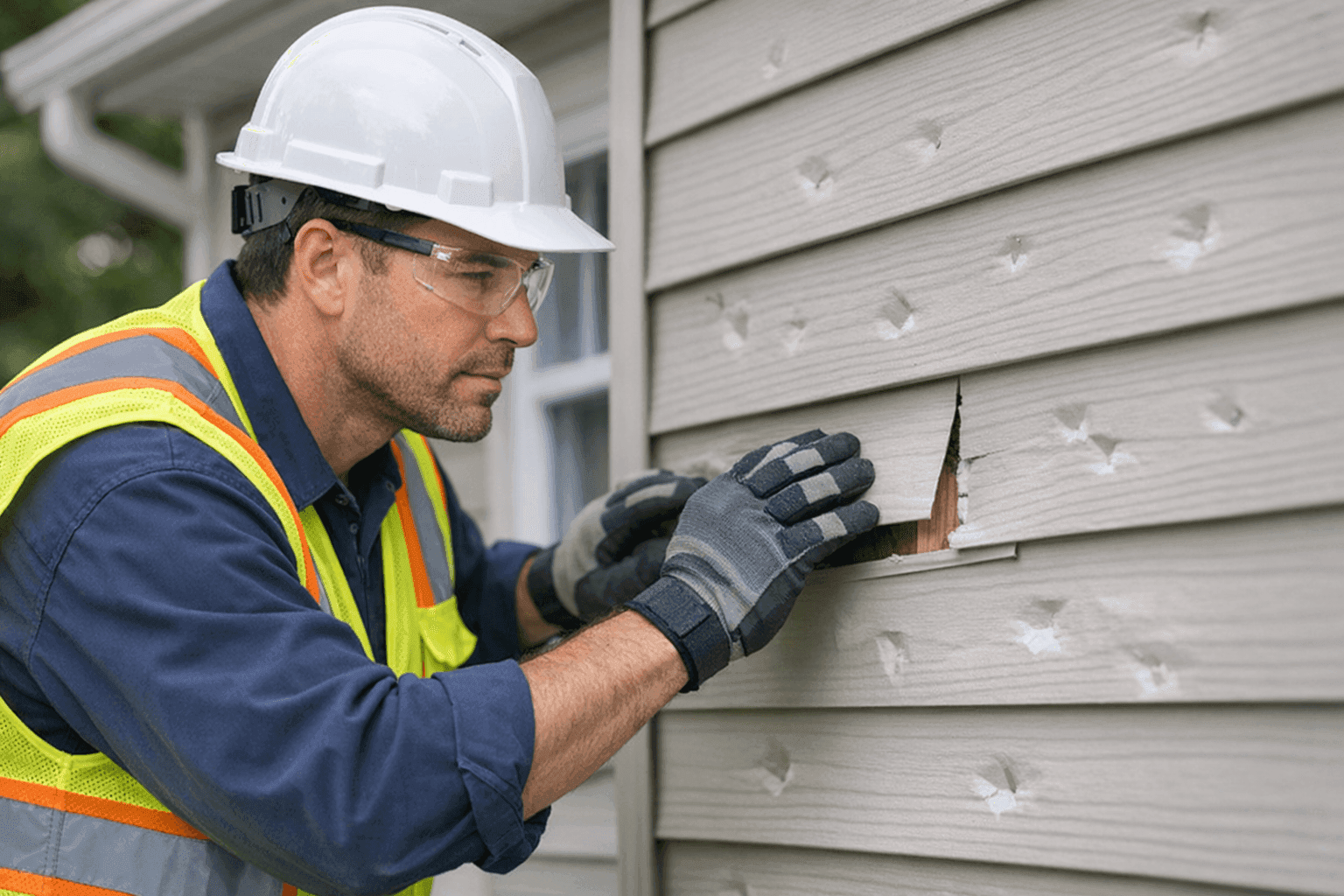
When the wind howls and the rain pounds, it’s not just the trees you worry about. Siding can take a beating during a storm, leaving your property exposed and vulnerable. In those rattling moments after the storm passes, it’s easy to feel overwhelmed. What should you check first? How fast do you need to act?
At POM Siding, we’ve seen it all, from shredded vinyl panels to soaked insulation and hidden water leaks. We’re here to help you handle siding emergencies with calm, clear steps—so you protect your biggest investment and get life back to normal.
Types of Storm Damage to Siding 🌪️
Storms don’t play favorites when it comes to siding materials. Each type—vinyl, fiber cement, stucco, wood, metal—can suffer in unique ways. Understanding what to look for makes your first inspection safer and more effective.
- Wind Damage: Torn, hanging, or missing panels. Sometimes the wind rips siding right off, leaving insulation and wall sheathing exposed.
- Hail Impact: Dents, chips, or cracks, especially on vinyl and aluminum. Hail can leave siding looking like it tangled with a bag of marbles.
- Water Infiltration: Water sneaks in through cracks or loose trim, soaking insulation or framing. Prolonged moisture can lead to mold, rot, and costly repairs.
- Debris Strikes: Tree limbs, flying objects, and even loose gutters can smash or puncture siding.
- Flashing and Trim Damage: Soffit and fascia may peel away, letting more water and critters inside.
Take a slow walk around your property after a storm. Use binoculars if it’s safe. Make note of even small issues—tiny cracks can become big headaches fast.
Immediate Safety Steps
Before you worry about curb appeal or repairs, stop and think safety. Siding emergencies can hide risks that aren’t obvious in the adrenaline rush after a storm.
- Stay Clear of Downed Power Lines: Never approach wires near your siding. Call your utility company immediately.
- Avoid Unstable Structures: If siding loss exposes framing or if gutters and trim are dangling, stay clear until a pro can assess.
- Watch for Water Infiltration: Water near electrical panels or outlets? That’s a red flag. Turn off power at the main breaker if you suspect wet wiring.
- Inspect from a Distance: Some damage—such as loose panels or soffits—can fall without warning. Don’t climb ladders or walk under eaves until you’re sure it’s safe.
If you’re unsure, the safest bet is to wait for help. Emergency siding services exist for exactly these moments.
Temporary Fixes: What You Can Do Right Now 🛠️
Sometimes, you need a quick patch to keep out the elements until professional help arrives. Here’s how to buy yourself time—without making things worse.
- Cover Exposed Walls: Use heavy-duty plastic sheeting, tarps, or even duct tape to cover holes. Secure them at the edges with wood strips or bricks.
- Block Drafts: For smaller cracks or gaps, rolled towels or foam insulation can help keep out rain and cold.
- Check Gutters and Downspouts: Clear any blockages so water flows away from your home’s foundation.
- Photograph Everything: Take clear, well-lit photos of all visible damage. These help with insurance claims and guide repairs.
Remember, these are stopgap measures—think umbrella, not raincoat. Don’t attempt large repairs or climb on ladders unless you’re experienced and conditions are safe.
How Pros Handle Emergency Siding Repairs
When you call for storm damage siding repair, our team follows a proven process, rooted in building codes and decades of experience.
Fast Assessment and Site Safety
We start with a total walk-around and up-close inspection. Safety comes first: we check for loose materials, unstable gutters, and any risks to you or our crews.
Damage Documentation
Detailed notes and photos go into our report—critical for insurance and planning. We identify not just the visible damage but hidden issues like water infiltration, compromised insulation, or torn flashing.
Temporary Stabilization
We secure loose panels, soffits, and fascia. If needed, we install weatherproof barriers to prevent further water entry.
Detailed Repair Plan
You get a clear explanation of what’s needed—sometimes it’s just a few panels, other times whole sections need replacing. We’ll walk you through material options (vinyl, fiber cement, wood, metal, or eco-friendly solutions) so repairs match your existing exterior.
Quality Repairs and Finishing Touches
Repairs follow local building codes (see International Building Code Section 1405 for siding requirements). We use best-in-class fasteners, sealants, and flashing. Our team ensures every seam, edge, and joint is tight, weatherproof, and ready for the next storm.
Clean-Up and Follow-Up
We remove debris and leave your property tidy. Our crew checks that all systems—gutters, vents, insulation—work as they should. You’ll know exactly what was done and what to watch for in the future.
The Quick Safety Checklist
- Are there downed power lines or electrical hazards?
- Is any siding, trim, or soffit at risk of falling?
- Is water leaking inside?
- Are gutters or downspouts clogged or detached?
- Is there visible mold or rot from past storms?
If you answer yes to any of these, call for emergency siding services right away.
DIY Repairs vs. Calling a Pro
Some minor fixes—like reattaching a loose piece of trim—can be a DIY job for handy homeowners. But serious storm damage, especially involving water infiltration or structural risks, calls for a professional.
Why? Because siding is your home’s raincoat and armor. Patch it wrong, and you risk hidden leaks, mold, or future warping. Pros know how to match materials, restore waterproof barriers, and spot “invisible” damage that’s easy to miss.
When Is It an Emergency?
Certain situations can’t wait:
- Large sections of siding missing
- Exposed insulation or sheathing
- Water pouring in or pooling at your foundation
- Broken soffits or fascia letting in animals or more water
- Damage near electrical wiring, panels, or outlets
If any of these are happening, request emergency siding services without delay.
Common Mistakes Homeowners Make
- Waiting too long to call for help—water damage can spread fast.
- Trying to patch over wet or moldy areas.
- Ignoring small cracks or missing caulk (they grow!).
- Using the wrong fasteners or sealants—this can void warranties.
- Climbing on unstable ladders or working in bad weather.
When in doubt, document the damage and call in a pro.
The Role of Siding Inspection After Storms
A thorough siding inspection checks not just the obvious spots but hidden trouble: under eaves, behind trim, and near windows or doors. Inspectors look for:
- Buckled, warped, or soft spots
- Loose or missing flashing
- Damaged insulation
- Mold or mildew growth
- Signs of animal entry
Regular inspections after storms can catch issues before they spiral, saving you major headaches and expense.
Keeping Repairs Code-Compliant
Local building codes (and insurance adjusters) demand that storm repairs meet strict requirements. For example, Section 1405 of the International Building Code specifies siding weatherproofing, fastening, and flashing standards. Your repair crew should know these inside and out.
Siding Materials: How Different Types Fare in a Storm
- Vinyl: Flexible, but can crack or tear in high winds or hail.
- Fiber Cement: Tough, but heavy and prone to chips.
- Wood: Can split, warp, or rot if not sealed; hail leaves dents.
- Metal: Resistant to rot, but dents easily from hail or debris.
- Stucco: Vulnerable to cracks, especially where water can seep behind.
A siding pro can advise on the best repair or replacement option for your material—and even help with siding material consultation.
Insurance Tips and Documentation
After a storm, document everything. Take photos from multiple angles, make notes, and keep all receipts for emergency repairs. Most insurance policies require prompt reporting and may send their own inspector. Refer to the Insurance Information Institute for helpful guides on storm claims.
Seasonal Considerations
Storm season varies by region, but the rules are the same: inspect your siding before and after major weather events. Clean gutters, trim trees, and check caulking and flashing every spring and fall. Preventive maintenance can mean the difference between a quick patch and a costly overhaul.
Looking for reliable help with siding repair near you? Check out our Washington, DC siding services for fast, professional solutions.
FAQ: Storm Damage Siding Repair
How soon should I fix storm-damaged siding?
As soon as possible. Even a small breach can let water in and create bigger problems.
Can I match old siding after a storm?
Often, yes. But if your original color or style is discontinued, a pro can suggest close matches or custom solutions.
What if water gets inside the wall?
Don’t wait. Water behind siding can lead to mold, rot, and structural problems fast.
Can POM Siding help with insurance claims?
We provide thorough documentation and work with adjusters to make the repair process as smooth as possible.
Timeline and Disruption: What to Expect
Small repairs may take just a day; larger jobs or full replacements (especially on commercial properties) might stretch over several days. We do our best to minimize disruption—keeping you informed every step of the way.
Prevention: How to Storm-Proof Your Siding
- Trim trees and shrubs away from siding.
- Clean gutters regularly.
- Check and seal all joints, flashing, and caulking.
- Consider upgrading to impact-resistant materials if you’re in a storm-prone area.
- Schedule annual siding inspections, especially after harsh weather.
The Bottom Line
Storm damage can be stressful—but you don’t have to face it alone. With a little preparation and the right help, you’ll get your property buttoned up and protected for the next round of weather.
Call POM Siding now — or reach us anytime at 888-870-1065 .