How to Spot Siding Damage Before It Spreads
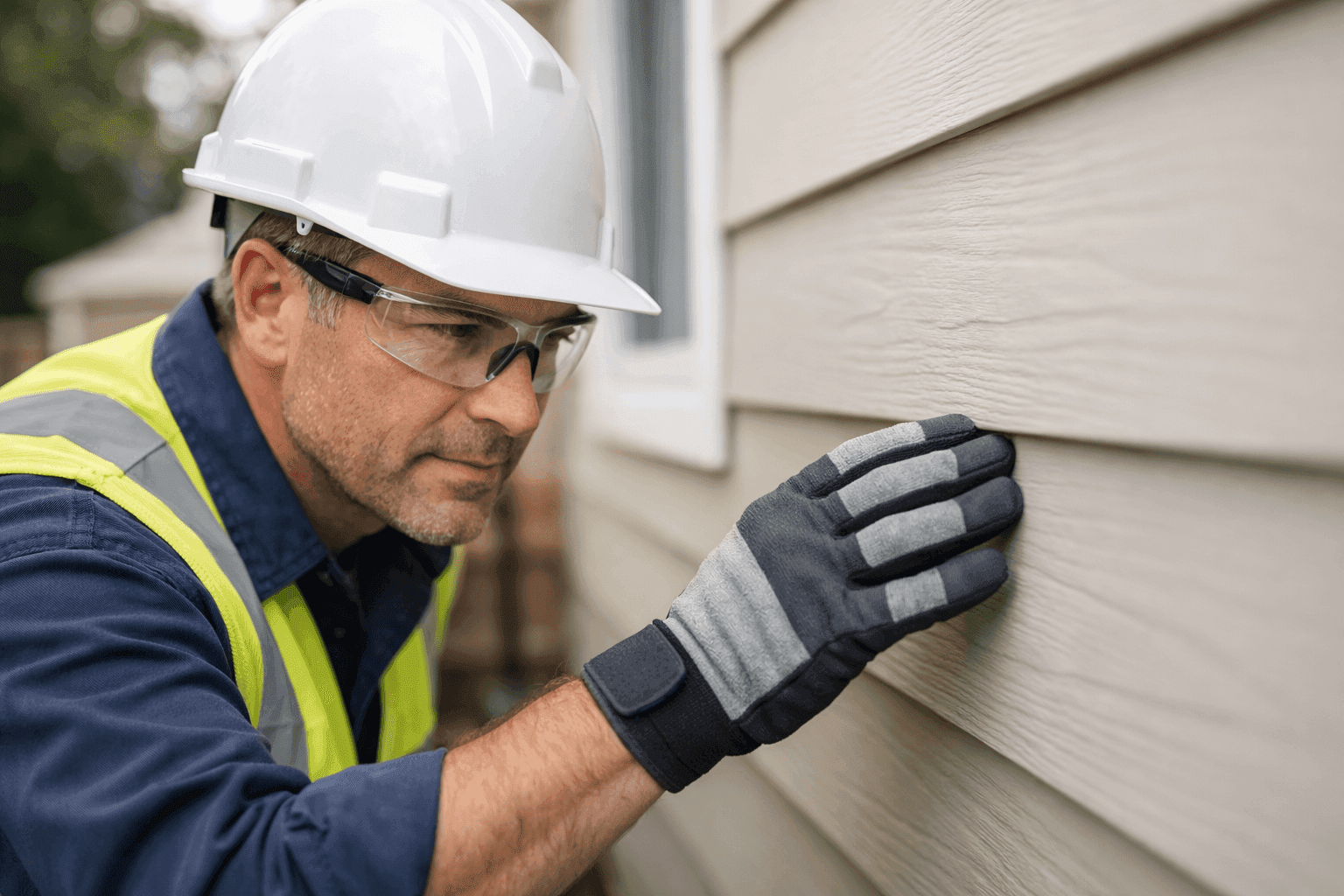
Are you worried about siding damage creeping up on your home or business? You’re not alone. Siding is like armor for your building, but even the strongest shield can crack under pressure from the elements, pests, or simple age.
At POM Siding, we’ve seen how a small hidden issue can turn into a full-blown headache. Early detection isn’t just about appearances—it saves you money, maintains property value, and keeps bigger problems at bay.
Why Early Detection Matters 🕵️
Think of your siding as the skin of your house or commercial building. It keeps out rain, wind, pests, and everything else nature throws your way. But skin can break. And when it does, what starts as a hairline crack can spiral into deeper, costlier issues.
Catching siding damage early is like spotting a leaky faucet before it floods your kitchen. You avoid expensive repairs, mold, and structural headaches later on. According to the International Association of Certified Home Inspectors (InterNACHI), routine siding inspections can extend the life of your exterior and help keep insurance claims at bay.
Common Signs of Siding Damage
Wondering what to look for? Here are the red flags that mean your siding might need attention:
Cracks and Splits
Even the smallest crack can let water sneak in. Look for:
- Horizontal or vertical splits, especially at seams or corners.
- Chips or missing pieces, even if they seem minor.
Warping and Bulging
Siding should sit flush against your home. Warning signs include:
- Boards that bow outward or inward.
- Uneven surfaces, especially after a storm or freeze.
Mold, Mildew, and Rot
Dark stains or fuzzy patches aren’t just ugly—they signal trouble.
- Green, black, or brown spots, particularly near the base of your siding.
- Soft, crumbling areas (especially in wood siding).
Bubbling or Peeling Paint
Paint should be smooth and even. Watch for:
- Bubbles or blisters on the siding’s surface.
- Flaking, peeling, or faded patches—especially after wet or humid weather.
DIY Inspection Checklist
Want to give your siding a quick checkup? Here’s a step-by-step walk-through:
- Walk the Perimeter: Circle your building and look at all exterior walls up close and from a distance.
- Check Seams and Joints: Pay special attention to where siding panels meet and around windows, doors, and corners.
- Look Up: Don’t forget soffits, fascia, and trim—these areas are often the first to show wear.
- Test for Soft Spots: Gently press on boards and panels. If they feel spongy, that’s a red flag.
- Scan for Stains and Streaks: Discoloration can mean trapped moisture or mold.
- Inspect Gutters and Flashing: Leaky gutters can lead to siding damage. Make sure all drainage works as it should.
When to Call a Professional
Some repairs are DIY-friendly, but many aren’t. Here’s when you should call in a pro:
- Extensive Cracking or Rot: If you spot major damage or widespread mold, it’s time for expert help.
- Persistent Leaks: Water finding its way inside? Don’t wait—professional inspection is a must.
- Pest Infestations: Woodpeckers, termites, or carpenter ants love damaged siding.
- Unexplained Energy Bills: Higher heating or cooling costs can signal hidden insulation or weatherproofing issues.
Get a professional siding inspection from a team that understands the full range of materials, including vinyl, fiber cement, stucco, and wood. Our crew at POM Siding knows what to look for and how to fix it right.
Risks of Neglecting Siding Problems ⚠️
Ignore siding issues and you invite a host of problems. It’s like ignoring a toothache—painful and expensive down the line.
- Water Damage: Leaks can rot wood, ruin insulation, and even affect your interior walls.
- Mold Growth: Moisture behind siding is the perfect breeding ground for mold and mildew, which can impact your family’s or tenants’ health.
- Pest Intrusion: Damaged siding is a welcome mat for insects and rodents.
- Decreased Property Value: Curb appeal drops, and so does your investment.
Routine siding maintenance makes a difference. Regular cleaning, caulking, and quick fixes keep your siding strong and your property safe.
Quick Safety Checklist
Before you start any inspection:
- Wear gloves to protect your hands from sharp edges or splinters.
- Use a sturdy ladder for hard-to-reach spots.
- Avoid climbing on wet or icy surfaces.
- If you suspect mold, wear a mask and avoid direct contact.
DIY vs. Call a Pro
Some fixes you can tackle yourself. Repainting a small area, cleaning off dirt, or replacing a single piece of trim are manageable. But for anything structural, or if you’re not sure, it’s safer and smarter to call in a professional.
Remember: improper repairs can void warranties and lead to bigger issues.
What Pros Do on Arrival
When you call a siding specialist like POM Siding, here’s what to expect:
- Thorough exterior evaluation, including soffit, fascia, and flashing.
- Moisture meter readings for hidden water damage.
- Inspection of fasteners, caulking, and sealants.
- Assessment of insulation and ventilation.
- Clear, honest reporting and service recommendations.
Prevention and Maintenance
A few habits go a long way toward keeping siding damage at bay:
- Clean siding annually—pressure wash with care.
- Inspect after major storms or freezes.
- Re-caulk seams and joints as needed.
- Trim nearby trees and bushes to prevent abrasion.
- Repair gutters and downspouts to direct water away from walls.
Costs and Time Factors
Small issues caught early are often quick and affordable to fix. Waiting means higher costs—not just for materials and labor, but for potential interior repairs and mold remediation. Budget for annual inspections as part of your property maintenance plan.
When It’s an Emergency
Not all siding issues can wait. Call for emergency siding services if:
- You see water pouring in during a storm.
- Siding has blown off in high winds.
- Large sections are sagging, buckling, or falling away.
We offer emergency repair for situations just like these.
Seasonal Considerations
Each season brings its own siding challenges:
- Spring: Look for winter freeze-thaw damage.
- Summer: Check for sun fading, warping, and pest activity.
- Fall: Inspect after heavy rain and wind.
- Winter: Watch for ice dams and snow buildup.
Set a reminder to inspect your siding at the start and end of each season.
Common Mistakes to Avoid
- Ignoring small cracks or chips.
- Using harsh chemicals to clean siding.
- Delaying repairs “until next season.”
- Forgetting about soffit, fascia, and trim.
Avoid these pitfalls to maintain your siding’s strength and appearance.
FAQ: Siding Damage and Repair
How often should I inspect my siding?
Twice a year—spring and fall—plus after major storms.
What siding material is most durable?
Fiber cement, vinyl, and metal offer excellent durability when installed and maintained properly. Consult a pro for the best choice for your property.
Is siding damage covered by insurance?
It depends on your policy and the cause of damage. Keep records and get a professional assessment for claims.
Can I paint over damaged siding?
No—repair first, then paint. Painting over damage only hides the problem, it doesn’t fix it.
For more tips and local expertise, check out our Portland siding professionals for high-quality siding solutions near you.
Protect Your Property—Act Now
Spotting siding damage early is the difference between a quick fix and a costly overhaul. Don’t wait for small problems to grow. Whether you need Soffit and Fascia Repair near you, professional inspection, or a custom solution, POM Siding is ready to help.
Call POM Siding now — or reach us anytime at 888-870-1065 .