Signs Your Home Needs Emergency Siding Services
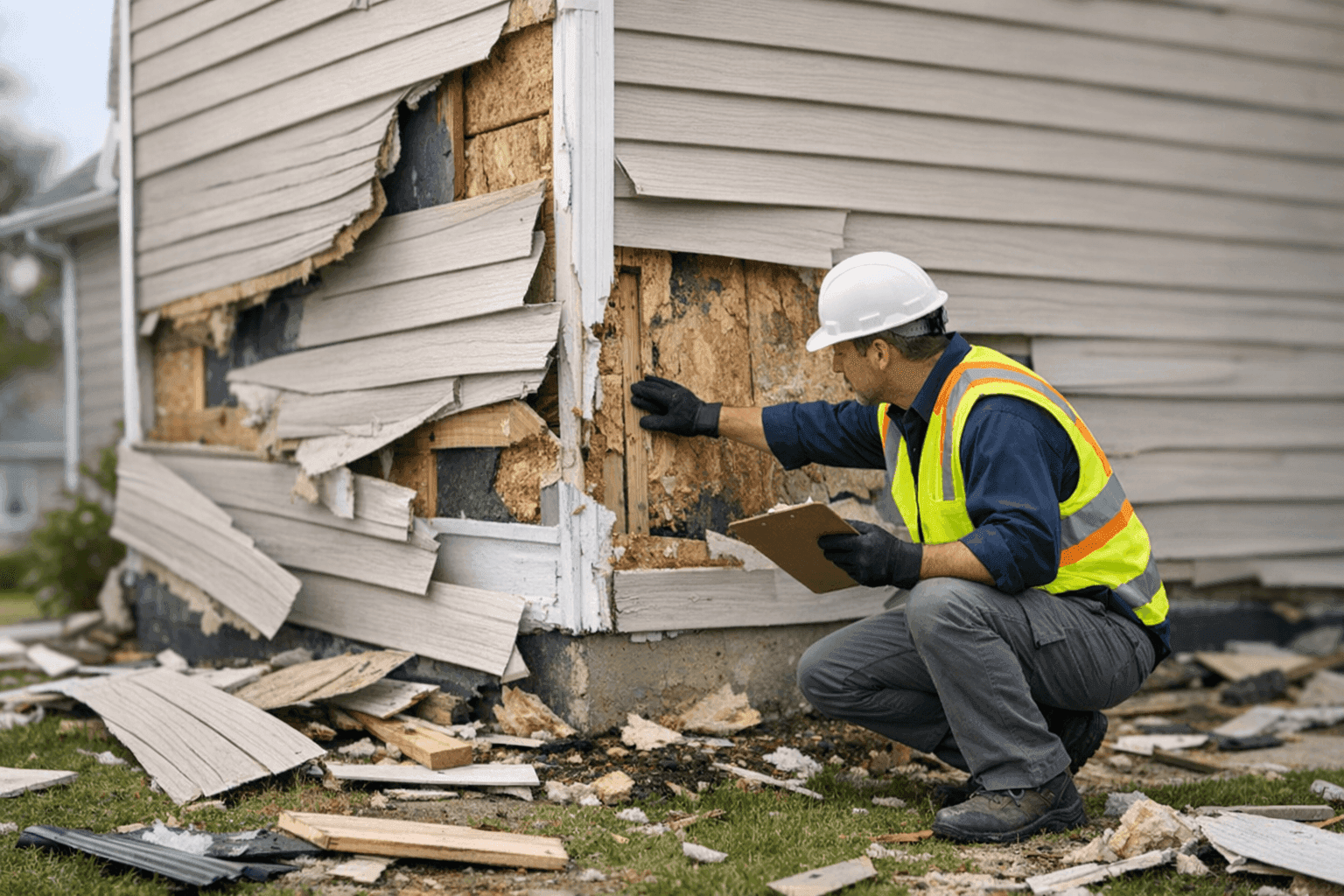
Is your home’s siding suddenly a patchwork of missing planks and water stains? Maybe a recent storm ripped off whole sections, leaving your house exposed. These aren’t just cosmetic problems—they’re flashing red lights for urgent action.
At POM Siding, we understand that when siding fails, it can turn into a race against the elements. Left unaddressed, emergency siding issues can lead to major repairs, unsafe conditions, and headaches you don’t need.
What Is a Siding Emergency? 🚨
A siding emergency isn’t just a little crack or peeling paint. It’s any sudden damage that leaves your home or business at risk of leaks, pests, or structural harm. Think of it like a broken umbrella in a rainstorm—your first line of protection is gone.
Common siding emergencies include:
- Panels blown off by wind, exposing insulation or framing.
- Major leaks after heavy rain.
- Severe storm or hail damage with visible holes, cracks, or gaps.
- Fire or impact damage (from a tree or vehicle).
- Siding hanging loose, threatening to fall and injure someone.
If your property is suddenly left open to the weather, wildlife, or water, you need fast help.
Red Flags to Watch For
Sometimes, the warning signs of a siding emergency are obvious. Other times, they creep up. Here’s what to watch for:
- Missing or dangling panels: If siding is on the ground or swinging in the wind, your home is exposed.
- Big water stains or bubbling on interior walls: This means water is getting in—fast action is a must.
- Sharp drafts indoors: You feel a sudden cold breeze near walls or windows? That’s often a sign your siding seal is broken.
- Warped, cracked, or splintered boards: Especially after a storm, look for new or worsening damage.
- Visible mold or mildew: Moisture trapped behind siding breeds trouble.
- Animal or pest intrusion: Birds, squirrels, or insects can get through gaps in damaged siding.
Quick Safety Checklist
Before you do anything, pause and check for immediate risks. Safety comes first.
- Stay clear of loose or hanging siding that could fall.
- Watch for electrical hazards—if wires are exposed, keep away and call an electrician.
- Look for water near outlets or wires. Water and electricity never mix.
- If you smell gas or see heavy structural damage, evacuate and call emergency services.
If it’s safe, snap a few photos for insurance records.
When It’s Time to Call Professionals
Not all siding problems need an emergency call. But certain situations demand it:
- You see major gaps, water pouring in, or missing sections after a storm.
- Damage is spreading quickly (panels peeling off, water stains growing).
- There’s structural risk—like bowing walls or sagging soffits.
- Your building is a commercial property with public safety concerns.
If you’re unsure, it’s better to call for an inspection. Siding professionals can assess if you need immediate repairs, or if temporary measures will do.
Learn more about our emergency siding services.
Immediate Steps to Take
If you notice emergency siding damage, here’s what you can do right away:
- Protect what you can: Move valuables, furniture, and electronics away from affected walls.
- Temporary cover: Use a tarp or heavy plastic to cover big gaps until help arrives. Secure it with duct tape or wood strips.
- Document the damage: Take clear photos from several angles.
- Contact your insurance provider: Many policies cover sudden storm or impact damage.
- Call a siding professional: Acting quickly limits water damage, mold, and costly repairs.
What Pros Do On Arrival
A professional siding crew brings experience, tools, and the right materials. Here’s what you can expect when you call POM Siding:
- Thorough inspection: We look at the full scope, not just the obvious damage.
- Temporary stabilization: Loose panels are secured to prevent further harm.
- Moisture check: We use moisture meters to spot hidden leaks.
- Recommendations: You get a clear plan—emergency fix, follow-up work, or both.
If structural issues are found, we’ll advise if other specialists (like an electrician or roofer) are needed.
DIY Fixes vs. When to Call a Pro 🛠️
Some small siding issues can wait for a regular appointment. But with emergencies, DIY is rarely enough. Here’s why:
- Siding panels are heavy and sharp. Trying to reattach them without the right tools can lead to injury.
- Improper repairs trap water, worsening the problem.
- Code compliance matters. Building codes (like the International Residential Code) require proper installation for safety.
When in doubt, call a pro. If you need Siding Repair or Storm Damage Repair, professionals have the training to do it right.
Prevention & Maintenance: Your Best Insurance
Most emergencies happen without warning, but some can be avoided with regular care.
- Inspect siding and trim twice a year. Look for loose nails, cracks, and soft spots.
- Clean gutters and downspouts to prevent overflow and water damage.
- Schedule professional siding inspections, especially after storms.
- Keep landscaping trimmed to prevent branches from scraping or cracking siding.
- Address small repairs quickly. Small holes become big problems fast.
Following these steps can catch issues early and keep your home or business protected.
Costs & Time Factors
Emergency siding repairs vary in cost and time—no two jobs are alike. Factors include:
- Severity and size of the damage.
- Type of siding material (vinyl, fiber cement, wood, metal, stucco).
- Accessibility: Tall buildings or hard-to-reach places may require special equipment.
- Weather conditions: Rain or snow can delay safe repairs.
Most emergency calls focus on stabilizing the area, with full repairs scheduled as soon as possible.
Timeline & Disruption
A true siding emergency can disrupt daily life or business operations. Here’s what to expect:
- Initial response: Temporary measures to secure your property—usually within hours.
- Follow-up repairs: Once weather and materials allow, permanent fixes are made.
- Noise and debris: Emergency work can be noisy, and there may be dust or debris.
- Communication: A good siding company keeps you updated every step of the way.
Seasonal Considerations
Storm season brings a spike in emergency siding calls. High winds, hail, and falling branches are common culprits. But emergencies can happen year-round—ice storms, accidents, or even wildlife can all cause sudden damage.
In winter, repairs can be more complicated. Cold temperatures affect materials and adhesives. Crews may need to use special techniques or plan around weather windows.
Common Mistakes to Avoid ⚠️
- Ignoring early warning signs. Small leaks or loose panels don’t fix themselves.
- Covering damage with the wrong materials. Only use breathable tarps or plastic—never wrap siding tightly, which can trap moisture.
- Delaying professional help. Waiting can turn a small problem into a major (and expensive) headache.
- Attempting risky DIY fixes. Climbing ladders during a storm is never worth it.
Siding Materials and Emergency Response
Not all siding responds the same way to damage.
- Vinyl siding: Can crack or blow off in high winds. Quick to replace, but needs matching panels.
- Fiber cement: Tough but heavy. Impact damage often needs professional help.
- Metal siding: Dents easily but resists rot. Sharp edges—handle with care.
- Wood siding: Prone to water damage and pests if exposed.
If you’re unsure about your siding type, contact POM Siding for advice.
Siding Emergencies: FAQ
What’s the difference between a siding emergency and a regular repair?
Emergencies threaten your home’s safety or structure—like blown-off panels, major leaks, or impact damage. Regular repairs handle slow wear and tear.
Will my insurance cover emergency siding repair?
Most home and commercial property insurance covers sudden, accidental damage. Check your policy for details.
How fast can you respond?
At POM Siding, we prioritize emergencies—especially after storms or when safety is at risk.
Can you match my existing siding?
We always try to match materials and colors, but availability may affect timing. A color consultation is available if a full replacement is needed.
When to Schedule an Inspection
If you’ve noticed any of the red flags above—even if things seem stable now—a siding inspection is a smart move. Trained eyes catch what casual glances miss.
Need siding inspection, soffit and fascia repair, or new construction siding? Learn why homeowners trust POM Siding for Soffit and Fascia Repair.
Protect Your Property—Act Fast
Your home’s siding is its shield against the world. When that shield is cracked, missing, or leaking, every hour counts. If you’re facing sudden siding damage, don’t leave your property exposed.
Looking for reliable siding repair or emergency siding services in your area? For high-quality siding installation in Fountainebleau, POM Siding is ready to help.
Call POM Siding now — or reach us anytime at 888-870-1065 .