Siding Ventilation Solutions: Why Airflow Matters
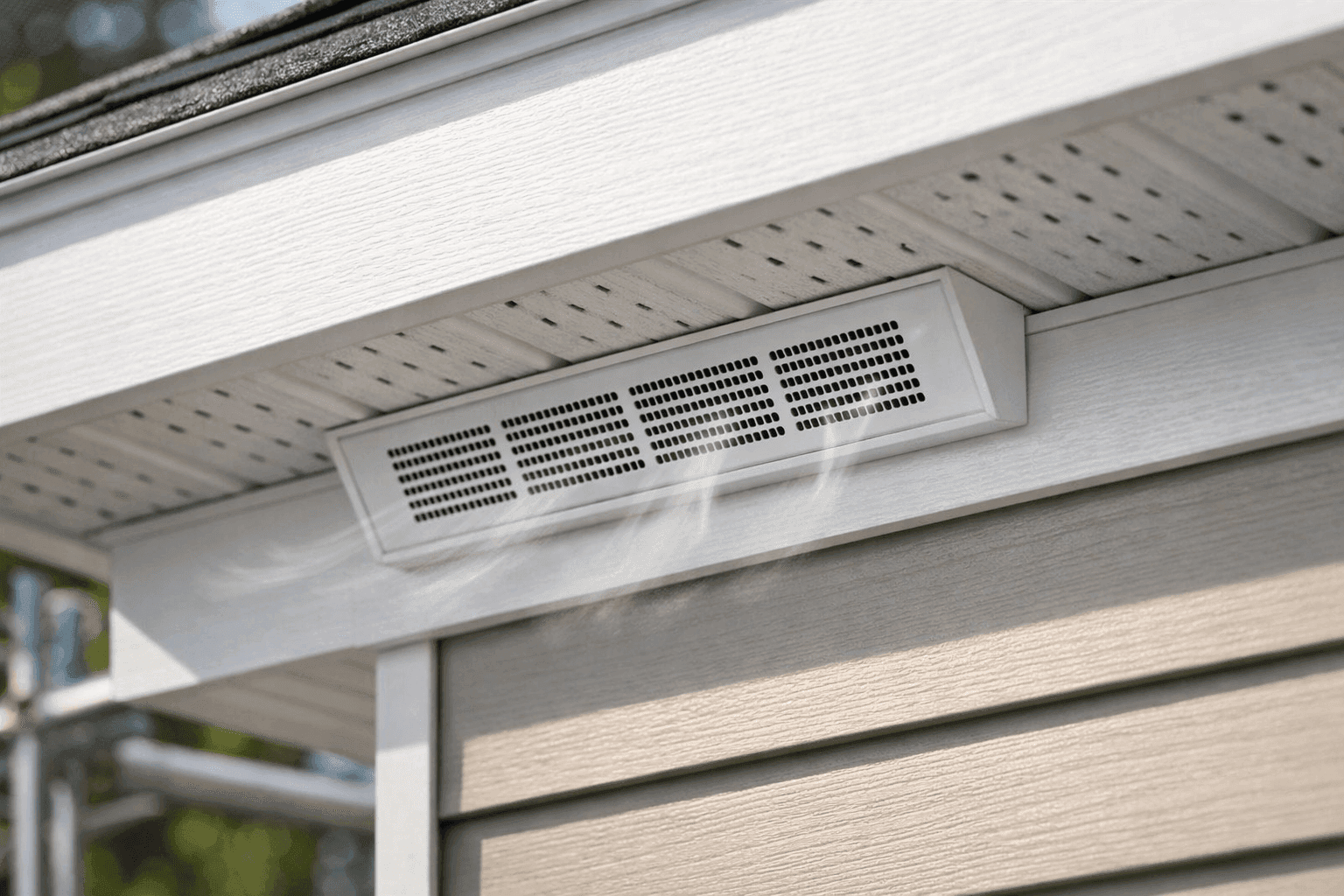
Do you ever wonder what’s happening just beneath your siding? Out of sight doesn’t mean out of mind—especially when airflow is on the line. At POM Siding, we’ve seen firsthand how proper siding ventilation is the unsung hero of dry, healthy buildings. Ignore it, and you could be inviting headaches like rot, mold, and sky-high energy bills.
Siding is more than a pretty face. It’s your home or business’s armor against the elements. But even armor needs to breathe. Let’s dig into why airflow is crucial, how to spot trouble, and what you can do next.
Why Siding Ventilation Is Critical 🏠
Imagine your house wearing a raincoat on a humid day. No airflow? Sweat collects. Moisture lingers. Before long, things get uncomfortable—and maybe a little smelly. Siding works the same way. Without proper ventilation, trapped moisture can wreak havoc.
Risks of poor siding ventilation:
- Mold and mildew: Damp conditions are a playground for spores.
- Wood rot: Moisture softens and destroys wood framing and trim.
- Energy loss: Insulation can’t do its job if it’s soggy.
- Paint and siding damage: Bubbling, peeling, and warping are all signs moisture is winning.
Local building codes (like IRC Section R703.1) require airflow behind siding for a reason—it’s about keeping the structure safe, dry, and efficient.
Common Ventilation Solutions
Airflow isn’t magic—it’s science and smart installation. Here are the tried-and-true ways POM Siding brings fresh air to your walls:
- Soffit vents: Small openings under eaves that let air flow up and out. Essential for attic and siding health.
- Ridge vents: Run along the roof peak, working with soffits to create a full-circle draft.
- Gable vents: Placed on the ends of attics or upper walls for cross-breezes.
- Rain screens: Thin, ventilated gaps installed behind siding to keep moisture from getting trapped.
Not sure which solution fits your building? Our siding-ventilation-solutions page covers more details and custom approaches.
Diagnosing Ventilation Issues
How do you know if your siding’s feeling stuffed-up? Here are a few classic clues:
- Condensation or dampness: Feel cool, clammy walls inside? It’s a red flag.
- Peeling paint or warped siding: Siding that looks tired or bent is often fighting hidden moisture.
- Funky odors: Mold smells earthy or musty—trust your nose.
- Visible mold or mildew: Especially around soffits, fascia, or inside attics.
- Drafts or hot/cold spots: Poor airflow can mess with your comfort and energy bills.
If you spot any of these, it’s time to investigate. A siding inspection can reveal what’s happening behind the scenes.
Upgrading for Better Airflow
Sometimes, a quick fix isn’t enough. Upgrading your siding’s ventilation could mean:
- Installing new soffit and ridge vents
- Adding rain screens or moisture barriers
- Swapping out old, clogged vents for new models
- Replacing warped or damaged soffit and fascia boards
Every property is different. Commercial or residential, we tailor solutions to fit your space, your budget, and the local climate.
The Problem Scenario: When Airflow Falls Short
Picture this: Last winter, icy dams built up on a client’s roof. Water seeped behind the siding, but the lack of soffit ventilation meant it just sat there. By spring, the wood underneath was soft and moldy. The repair bill? Steep.
That’s the real cost of ignoring airflow. It sneaks up quietly—until it doesn’t.
Quick Safety Checklist for Siding Ventilation
Before you climb a ladder, run through this list:
- Are soffit vents unblocked and intact?
- Any visible mold or water stains near eaves or siding edges?
- Is attic or crawlspace air stuffy or damp?
- Are gutters clean and draining away from the house?
If you’re unsure, call a siding pro. Sometimes what you can’t see is more dangerous than what you can.
DIY vs. Call a Pro
Some tasks are weekend-warrior friendly—like clearing debris from soffit vents or checking for blockages. But cutting new vents, replacing damaged soffit or fascia, or diagnosing hidden moisture? That’s best left to trained hands. Siding pros use moisture meters, thermal cameras, and years of experience to find issues fast.
Want to know the best options for Soffit and Fascia Repair? We’re ready to help.
What Pros Do On Arrival
When you call POM Siding, here’s what to expect:
- Thorough inspection: From attic to foundation, we check for signs of trapped moisture, blockages, and damage.
- Moisture testing: Tools like moisture meters highlight hidden problems.
- Ventilation assessment: We count and inspect vents, check airflow, and look for opportunities to improve.
We’ll walk you through every finding, using plain language and real photos—not technical jargon.
Prevention & Maintenance Tips
Keep your siding and ventilation working smoothly with these habits:
- Clean gutters seasonally to prevent water backup.
- Trim trees and shrubs away from vents and siding.
- Inspect soffit and fascia every spring and fall for cracks, gaps, or paint issues.
- Schedule professional siding maintenance or inspection every 2–3 years.
A little prevention goes a long way. Think of it as brushing your teeth—skip it, and issues build up where you can’t see.
Costs & Time Factors
Ventilation upgrades can range from simple vent cleaning and minor repairs to full soffit or siding replacement. Most homes see a dramatic improvement with a day or two of focused work. Commercial projects may take longer, especially if extensive repairs are needed.
Remember: repair costs are almost always lower than fixing mold or rot down the road.
When It’s an Emergency
Severe leaks, visible mold, or warped, drooping soffit? Don’t wait. These are emergencies. Moisture spreads fast, and delays can mean bigger repairs—and health concerns. If you spot these issues, call for emergency siding services right away.
FAQ: Fast Answers on Siding Ventilation
Q: How many vents do I need?
A: It depends on your siding type, attic size, and local code. A common rule is 1 square foot of vent per 150 square feet of attic space.
Q: Can I add vents to existing siding?
A: Absolutely—many homes benefit from retrofitted soffit or ridge vents.
Q: Is metal or fiber cement siding better for ventilation?
A: Both work well with modern ventilation systems. The key is installation, not just material.
Seasonal Considerations
Summer heat and winter ice test your siding’s breathability. In hot months, good airflow keeps walls cool and dry. In winter, it fights condensation and ice dams. Check your vents every change of season, and after big storms.
Common Mistakes to Avoid
- Blocking soffit vents with insulation or paint
- Forgetting to clean gutters regularly
- Ignoring minor leaks or small mold spots
- Skipping professional inspections
These little slip-ups can spiral into big problems.
Signs of Trouble: Don’t Ignore These
- Bubbling or peeling paint on siding or trim
- Musty smells in upper rooms or attics
- Rust or corrosion on metal vents
- Water stains on interior ceilings or walls
If you notice these, it’s time for a closer look.
Timeline & Disruption
Most siding ventilation upgrades are minimally disruptive. Expect some noise, dust, and a few hours without full access to affected rooms. For major repairs, your siding crew should walk you through the timeline before starting.
Materials & Equipment
Quality siding ventilation relies on:
- Durable, properly sized soffit and ridge vents (aluminum, vinyl, or steel)
- Moisture-resistant caulk and flashing
- Insulation batts for attic spaces
- Proper fasteners and weatherproofing materials
POM Siding uses materials that meet or exceed building code requirements.
How to Choose the Right Siding Partner
Look for experience, transparency, and a willingness to answer your questions. Ask about code compliance, material options, and maintenance plans. For a high-value siding contractor in Middletown, check out our Middletown siding services.
Ready to make your siding breathe easier? Call POM Siding now — or reach us anytime at 888-870-1065 .