Why Siding Ventilation Matters: Preventing Moisture and Mold
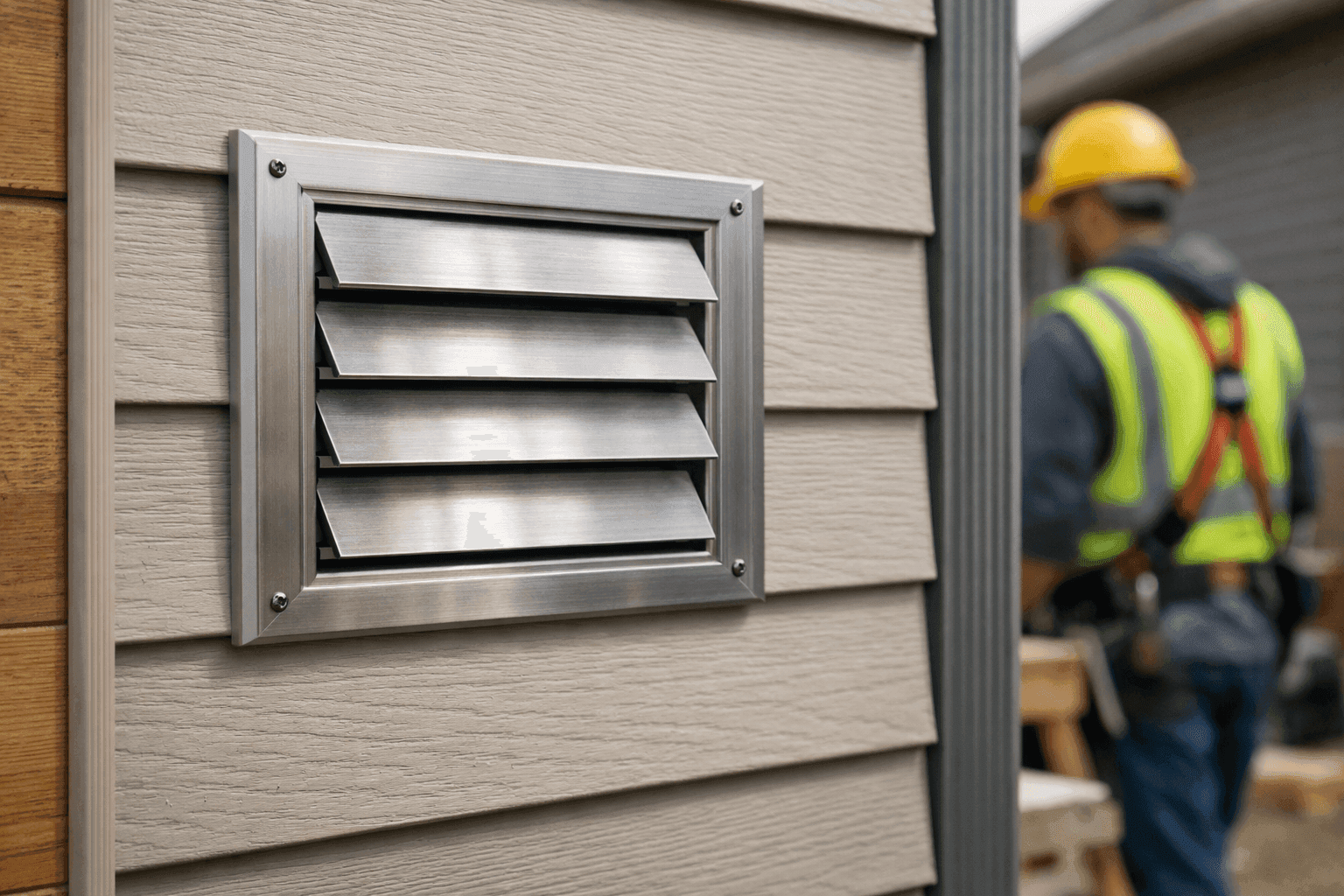
Is your siding silently fighting a losing battle against moisture? Every year, countless homeowners and business owners face hidden damage caused by poor ventilation behind their siding. It’s a slow problem—like a leaky faucet—but the consequences can flood in fast. Mold, rot, and warped panels aren’t just cosmetic issues. They attack your investment at its core.
At POM Siding, we’ve seen the worst—and helped restore the best. Let’s break down why siding ventilation is essential, how to spot trouble, and what you can do right now to keep your building strong, healthy, and efficient.
Why Siding Needs Ventilation
Think of your siding like a raincoat. It’s there to keep the elements out, but even the best gear needs to breathe. Without ventilation, trapped moisture lingers behind your walls. Over time, that’s a recipe for disaster.
Moisture Control
Moisture is the enemy. When water gets trapped inside walls or behind siding, it can seep into wood, insulation, or even your foundation. The U.S. Department of Housing and Urban Development warns that inadequate ventilation is a leading cause of mold growth and wood rot in homes. Proper airflow keeps siding dry and extends its life.
Indoor Air Quality
Stale, moist air behind your siding doesn’t just stay outside—it finds its way indoors. This can mean musty smells, aggravation of allergies, and poor overall air quality. According to the Environmental Protection Agency (EPA), indoor dampness is linked to increased health risks, especially for children and the elderly.
Energy Efficiency
A home that “breathes” is a home that saves energy. When siding ventilates well, insulation stays dry and performs as intended. That means less strain on heating and cooling systems—and lower utility bills.
Signs of Poor Ventilation
Not sure if your siding is venting properly? Watch for these red flags:
- Persistent mold or mildew on siding, soffits, or interior walls.
- Musty odors—especially in basements, attics, or near exterior walls.
- Warped or buckling panels that don’t sit flush.
- Peeling paint or bubbling finishes.
- Unexpected spikes in energy bills.
If you spot any of these, don’t ignore them. Like a check engine light, these signs mean it’s time to investigate.
Quick Safety Checklist: Is Your Siding at Risk? 🛑
- Are gutters and downspouts clear and flowing away from the foundation?
- Can you see vents in soffits or eaves?
- Are the attic and crawlspace dry, with no visible water stains?
- When it rains, does water pool near your siding?
- Have you had a siding inspection in the last two years?
Even one “no” could put your property at risk for moisture and mold.
DIY vs. Call a Pro
Changing a lightbulb? Go for it. Reworking siding ventilation? That’s a different ballgame.
DIY is possible for basic fixes: clearing gutters, washing siding, or inspecting visible vents. But most issues—like replacing soffit panels or fixing hidden leaks—require experience. Mistakes can be expensive and even dangerous, especially when working at heights or around electrical systems.
For peace of mind, consult a pro for:
- Persistent moisture or mold
- Rot or damage under siding
- Suspected insulation issues
Find “Soffit and Fascia Repair near you” for fast, effective solutions.
What Pros Do On Arrival
When POM Siding arrives, we don’t just glance at your siding—we dig deep. Here’s our typical process:
- Inspection: We check soffits, fascia, flashing, and vents for damage or blockages.
- Moisture Meter Testing: Hidden moisture can lurk even if surfaces look dry.
- Material Assessment: Different siding types (vinyl, fiber cement, wood, metal, stucco) need custom solutions.
- Ventilation Audit: We ensure airflow is balanced, not just present.
- Repair & Upgrade Plan: We outline what needs to be fixed and how to prevent future issues.
Solutions for Better Ventilation
There’s no one-size-fits-all answer, but here are proven strategies for keeping your siding—and everything behind it—dry and healthy:
Add or Upgrade Vents
- Soffit vents bring in fresh air at the base of your roof.
- Ridge vents let hot, moist air escape at the peak.
- Gable vents add cross-ventilation for larger spaces.
Properly positioned vents act like open windows on a breezy day, sweeping moisture away before it settles.
Soffit and Fascia Installation
Your soffit (the underhang below your roof edge) and fascia (the board facing outward) do more than look pretty. They control airflow, block pests, and seal out rain. Damaged or missing pieces? That’s like leaving a window open in a storm.
Consider professional soffit and fascia installation to restore function and beauty.
Professional Siding Upgrades
- Rain screens: Create a gap behind the siding for drainage and airflow.
- Weatherproof flashing: Stops water from sneaking in around windows and doors.
- Breathable wraps: Keep moisture out, but let trapped air escape.
POM Siding’s siding weatherproofing solutions bring all these elements together for maximum protection.
Prevention & Maintenance
Prevention beats cure every time. Here’s how to keep your siding breathing easy:
- Clean gutters monthly—clogs cause water to back up under siding.
- Trim trees so branches don’t trap moisture near your exterior.
- Inspect caulking and seals annually.
- Schedule professional siding inspections every 2–3 years.
Costs & Time Factors
Ventilation fixes range from simple (clearing vents, replacing a soffit panel) to complex (installing rain screens or reworking insulation). Most minor jobs are done in a day. More involved projects may take a week, especially for commercial properties or historic homes.
Materials matter. Vinyl and fiber cement repairs are usually faster than custom woodwork or metal siding upgrades.
When It’s an Emergency
Sudden leaks, visible mold, or siding panels falling away from the wall? That’s an emergency. Moisture can move fast—so should you.
POM Siding offers emergency siding services to keep problems from spiraling. The sooner you act, the less you’ll spend in the long run.
Common Mistakes to Avoid 🚫
- Blocking soffit vents with insulation or paint
- Relying on caulk alone—water finds a way
- Ignoring small leaks or cracks
- Using incompatible materials for repairs
- Skipping regular inspections
Timeline & Disruption
Worried about mess or downtime? Most siding ventilation work is low-disruption. We plan projects to minimize impact—especially for businesses that need to stay open. Clean-up is always part of our process.
Siding Ventilation and Building Codes
Building codes aren’t just red tape—they’re the foundation of safe, healthy spaces. Many local and national codes (like those from the International Residential Code and International Building Code) require minimum ventilation for attics and exterior wall systems. Following these standards protects your investment and ensures insurance compliance.
Seasonal Considerations
Winter’s ice and summer’s humidity both stress your siding. Spring and fall are perfect times to check for vent blockages, water stains, or animal nests in soffits.
FAQ: Your Top Ventilation Questions
Q: Can you retrofit vents into existing siding?
A: Yes—pros can add soffit, gable, or ridge vents to most homes without full replacement.
Q: How often should I check my siding?
A: At least twice a year, plus after major storms.
Q: Can poor ventilation cause higher energy bills?
A: Absolutely. Trapped moisture lowers insulation’s power, making HVAC work harder.
Real-World Example: Auburn Homeowners Take Action
Many property owners in Auburn and surrounding areas have trusted us to upgrade their siding ventilation. If you’re searching for reliable siding contractors in Auburn, POM Siding is ready to help—protecting your investment and your indoor air.
Ready to Breathe Easier?
Your siding is your building’s skin. Treat it right, and it protects you for decades. If you’re unsure about your ventilation—or see any warning signs—don’t wait for mold to move in. Let POM Siding help you keep moisture and mold at bay.
Call POM Siding now — or reach us anytime at 888-870-1065 .