All About Siding Trim: Installation, Repair & Design Tips
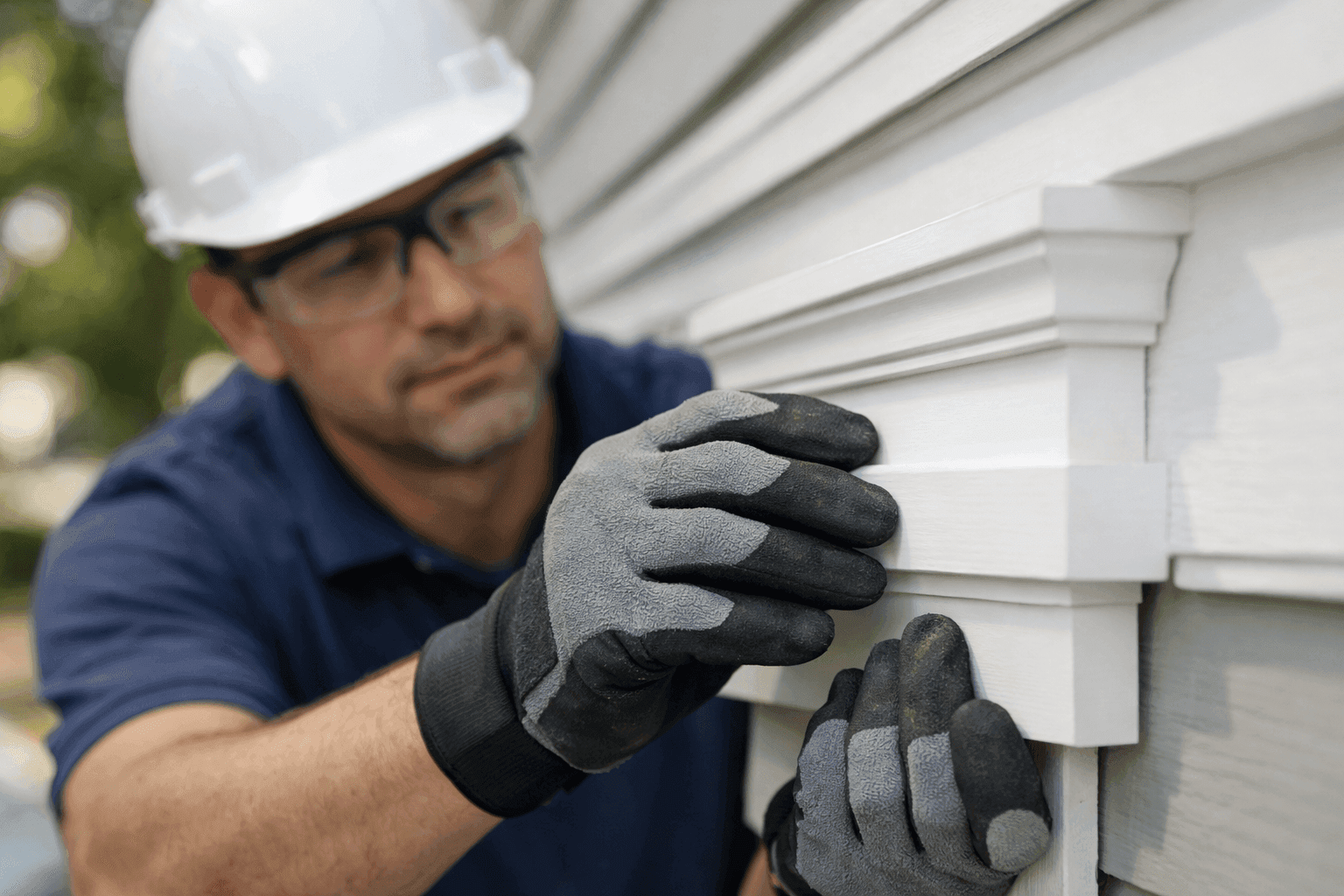
The smallest details can make or break a home’s look. Siding trim, though easy to overlook, does more than put a finishing touch on your property. It guards, defines, and elevates, all at once.
Neglecting trim? That’s when moisture sneaks in, colors clash, or the whole exterior just feels “off.” At POM Siding, we’ve seen how the right trim—installed and maintained—can turn any building from basic to beautiful, while keeping it protected for years.
What is Siding Trim? 🏡
Siding trim is like the picture frame for your home or business. It creates clean edges at corners, windows, and doors. Done right, it ties siding together with crisp lines and contrast, hiding cut edges and gaps. But trim isn’t just for show.
Why does it matter?
- Defends against leaks: Trim blocks water from sneaking behind siding.
- Stops pests: Properly installed, it keeps out bugs and critters.
- Makes maintenance easier: You spot problems early when trim is solid.
- Boosts curb appeal: Bold or subtle, trim is the accent that draws the eye.
You’ll see trim around windows (casing), at roof edges (fascia), underneath eaves (soffit), and anywhere two siding planes meet. It’s the unsung hero of your exterior.
The Role of Trim: Protection and Style
Think of siding trim as both a raincoat and a necktie for your property. It shields vulnerable seams from water, wind, and sun. But it also adds polish, depth, and personality.
- Waterproofing: By bridging joints and covering edges, trim channels water away from your walls.
- Insulation: Quality trim helps reduce drafts and energy loss.
- Design: Play with color and profiles for a classic, modern, or craftsman look.
When siding and trim work together, your building stays dry, efficient, and stunning.
Installation and Repair Techniques
Mistakes with trim installation can haunt you—think leaks, warping, or ugly gaps. Here’s what POM Siding looks for when handling siding trim repair:
Step-by-Step Overview
- Remove old trim: Take care not to damage the siding underneath.
- Inspect for damage: Look for rot, mold, or insect activity. Address these before new trim goes up.
- Choose the right material: Options include wood, fiber cement, vinyl, and aluminum. Each has pros and cons.
- Pre-cut and paint (if needed): Prepping trim before installation prevents moisture problems down the road.
- Install with flashing: Metal or waterproof tape behind trim stops leaks at vulnerable spots.
- Secure correctly: Use stainless or coated fasteners to prevent rust.
- Seal edges: High-quality caulk keeps water out and finish neat.
Repair vs. Replace
- Small cracks? Fill and repaint.
- Rotten or warped sections? Replace the full board.
- Loose trim? Refasten with new nails or screws.
For more details on upgrades, see our trim and molding installation service.
Safety tip: Always check for lead paint on homes built before 1978 (EPA Renovation, Repair and Painting Rule). Wear gloves and eye protection when handling old materials.
Design Ideas and Trends 🎨
Trim can be bold or whisper-quiet. The right style depends on your home’s architecture and your taste.
Color Choices
- High contrast: White trim on dark siding pops and defines.
- Muted harmony: Trim a few shades lighter or darker for a softer effect.
- Modern minimal: Same-color trim and siding for a sleek, monolithic look.
Profiles and Shapes
- Flat trim: Clean, modern lines.
- Coved or beaded: Classic, traditional homes.
- Wide vs. narrow: Wider trim frames a home, while narrow trim is understated.
Current Trends
- Black or dark trim: Adds drama to any color siding.
- Natural wood looks: Warm, welcoming, and timeless.
- Eco-friendly materials: Smart options like fiber cement or recycled composites.
Looking for inspiration? Check out our siding replacement page for before-and-after ideas.
Quick Safety Checklist
Before you tackle any trim work:
- Shut off power to exterior outlets and lights.
- Use a sturdy ladder on level ground.
- Wear gloves, goggles, and a dust mask.
- Watch for nails, splinters, and sharp edges.
- Dispose of old materials safely.
DIY vs. Call a Pro
Some trim repairs—like caulking a small gap—are a Saturday project. But big jobs? That’s when training, tools, and building codes matter.
DIY if:
- The damage is minor.
- You have the proper tools.
- You’re comfortable with heights.
Call a pro if:
- You spot widespread rot or mold.
- You need matching specialty trim.
- It involves soffit, fascia, or high places.
POM Siding’s crews know how to install trim to meet local building codes and manufacturer recommendations—so it lasts.
What Pros Do On Arrival
Here’s what to expect when you hire out siding trim repair or installation:
- Full inspection of siding, trim, and flashing.
- Moisture checks and pest discovery.
- Clear explanation of needed repairs or upgrades.
- Professional installation with quality materials.
- Clean-up and a walk-through at the end.
We’ll never push for unnecessary work. Our focus is durability and design—the trim should look great and work hard.
Common Mistakes to Avoid
Some slip-ups are easy to make, but a headache to fix:
- Skipping flashing: Water finds its way in, every time.
- Poor caulking: Gaps open, letting weather and pests inside.
- Using the wrong fasteners: Rust stains and loose trim result.
- Mismatched paint: Nothing ruins curb appeal faster.
A careful approach, using the right products and methods, saves time and money.
Signs Your Trim Needs Attention 🚨
Spot these red flags early to prevent costly repairs:
- Peeling paint or cracking caulk
- Soft spots, warping, or visible rot
- Gaps between trim and siding
- Insect trails or nests
- Water stains or mildew
If you notice any of these, prompt repair can save your siding.
Timeline & Disruption: What to Expect
Most siding trim repairs or installations can be completed in a day or two, depending on scope. Larger or multi-story homes may take longer. During work, expect:
- Some noise (saws, hammers)
- Limited access to certain areas
- Professional crews keeping your property tidy
We work to minimize disruption and keep you informed every step.
Materials & Equipment
Choosing the right trim is about more than looks:
- Wood: Classic, but needs more upkeep.
- Vinyl: Low maintenance, wide color range.
- Fiber cement: Durable, resists rot and pests.
- Aluminum: Lightweight, doesn’t rust easily.
Tools include saws, levels, nailers, caulk guns, and safety gear. Quality materials and tools make a world of difference.
Maintenance Tips for Lasting Trim
A little attention goes a long way. Here’s how to keep your siding trim in top shape:
- Inspect each spring and fall for damage or wear.
- Repaint or reseal every 5–7 years, or as needed.
- Keep gutters clean to prevent overflow onto trim.
- Check caulking and reseal gaps.
- Watch for loose boards after storms.
Want more local advice? See our Pocatello siding solutions for in-depth guidance on siding care and maintenance.
Siding Trim and Weather: Seasonal Insights
- Winter: Freeze/thaw cycles can crack caulk and split boards. Inspect after cold snaps.
- Spring: Rain reveals leaks. Look for water stains or soft spots.
- Summer: UV rays fade paint and dry out caulk. Plan for touch-ups.
- Fall: Clear leaves and debris to prevent moisture buildup.
Regular seasonal checks help you stay ahead of costly repairs.
Prevention & Siding Weatherproofing
The best defense is a good offense. Have your siding and trim inspected regularly. Ask about weatherproofing upgrades—like new flashing or heavier-gauge materials—when you see early signs of trouble.
When It’s an Emergency
If you see water pouring behind your siding, major trim blow-offs after a storm, or exposed framing—call for emergency siding services right away. Fast action prevents bigger headaches like mold or structural damage.
Call POM Siding now — or reach us anytime at 888-870-1065 .