How to Tell If Your Siding Needs Replacement or Repair
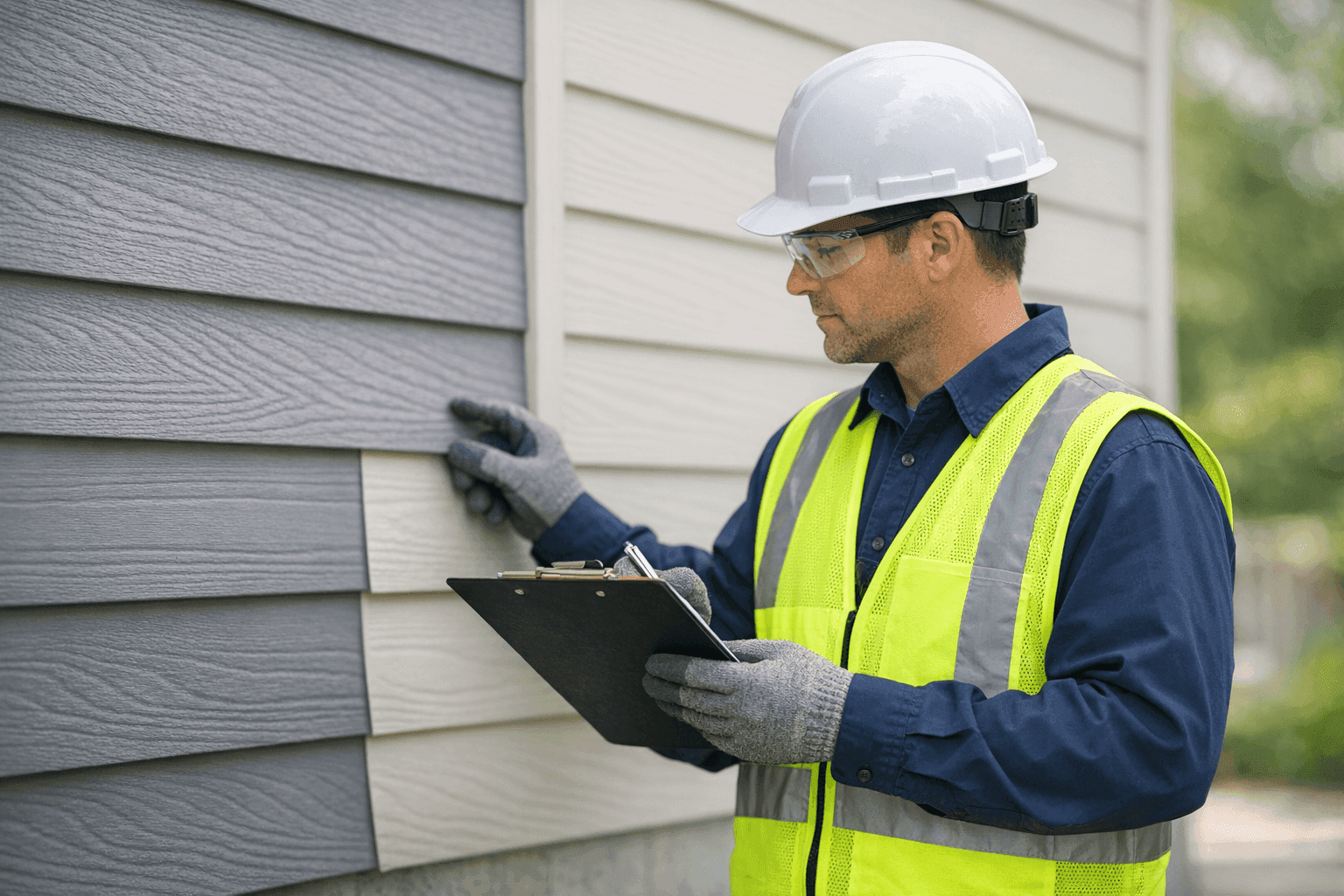
Are you staring at your home's siding, wondering if those cracks and fading patches are just cosmetic—or a sign of something bigger? You're not alone. Siding works like your property's armor. When it's compromised, everything inside is at risk.
At POM Siding, we've helped countless homeowners and businesses figure out when to patch things up and when it's time to start fresh. Let's break down what to look for, what it means for your budget, and how to move forward confidently.
Signs Siding Needs Repair 🛠️
Sometimes your siding just needs a little TLC. Here’s what to watch out for:
- Cracks or Chips: Small, localized cracks or dents usually mean a quick repair will do the trick.
- Loose or Warped Panels: One or two panels popping out? That’s usually a sign of wind damage or improper installation, not a full-system failure.
- Minor Fading: Fading from sunlight is normal. If the color is just a bit off, a paint or cleaning job might revive its look.
- Isolated Mold or Mildew: Spots of mold or mildew often suggest poor ventilation or trapped moisture, but if caught early, these can be cleaned and sealed.
- Peeling Caulk or Sealant: Old caulk shrinks and cracks. Re-caulking keeps water out and extends siding life.
Tip: Always check the area around your soffit, fascia, and trim. These are common weak points—search "Soffit and Fascia Repair near you" if you're unsure how to spot trouble.
Signs Siding Needs Replacement
Repairs won’t always cut it. Sometimes, your siding is waving the white flag:
- Widespread Rot or Warping: If large portions are soft, warped, or rotten, patching is just a temporary fix.
- Buckling or Bubbling: Siding that buckles or bubbles is usually letting moisture behind the panels, which can damage your home's bones.
- Severe Color Loss: Faded, chalky, or streaked siding not only looks tired—it might have lost its weather protection.
- Repeated Repairs: If you’re calling for repairs every year, it’s like patching a leaky boat. Replacement saves money and headaches long-term.
- Visible Holes or Pest Damage: Birds, insects, or rodents can do more than cosmetic harm. Holes are entryways for moisture and further pests.
- Interior Wall Issues: Notice peeling paint or wallpaper inside? That might trace back to failed siding letting moisture seep in.
When replacement is needed, consider materials like fiber cement, metal, stucco, or eco-friendly siding options to boost performance and curb appeal.
Cost and Longevity Factors 💸
Choosing between repair and replacement isn’t just about appearances. It’s about value:
- Repair: Lower upfront cost. Ideal for isolated issues. Extends the life of existing siding but may not solve underlying problems if there’s hidden water damage.
- Replacement: Higher investment now, but can pay off in energy savings, increased property value, and peace of mind. New materials like fiber cement or insulated vinyl can last 30–50 years with proper care.
Don’t forget: Code requirements affect your options. The International Residential Code (IRC) sets minimum siding standards for wind, fire, and moisture resistance. Commercial buildings may have stricter local codes—always check before starting work.
Professional Assessment Process
Not sure which way to go? Here’s how the pros at POM Siding handle a siding inspection:
- Exterior Walk-Through: We examine every inch—looking for cracks, warping, missing panels, and signs of water damage.
- Moisture Readings: Special tools check for hidden dampness behind the siding and around windows, doors, and flashing.
- Soffit and Fascia Check: These areas are inspected for rot, pest entry, and ventilation issues.
- Material Analysis: We look at what your siding is made of and how it’s holding up. Some materials have a much longer lifespan than others.
- Interior Clues: Signs like peeling paint, damp spots, or musty odors inside can point to outside siding failures.
- Customized Report: You’ll get clear next steps—whether that’s a simple repair or a plan for replacement.
Pro Tip: Don’t wait for a storm to force your hand. Routine siding inspection—especially after severe weather—can catch issues early and save you money.
When Is It an Emergency?
Some siding problems can wait a week. Others need attention today:
- Obvious holes after a storm? That’s an open door for water and pests—quick action is vital.
- Loose panels flapping in the wind? They can detach fully, causing safety hazards.
- Water intrusion inside? Mold and structural damage can escalate fast.
If you see these, call for emergency siding services right away.
DIY vs. Professional Help
A little caulk or paint? Most homeowners can handle that. But for anything bigger—like replacing panels, fixing flashing, or investigating rot—a professional has the tools, training, and safety know-how.
Remember: Improper repairs can void warranties and may not meet local building codes.
Prevention & Maintenance
Want to stretch your siding’s lifespan? Try these habits:
- Hose off dirt and debris twice a year.
- Keep shrubs and trees trimmed away from walls.
- Inspect caulking and seals annually.
- Schedule routine siding maintenance, especially after harsh weather.
Materials Matter
Each siding type comes with pros and cons:
- Vinyl: Affordable, low-maintenance, but can crack in cold or melt near heat.
- Fiber Cement: Durable and fire-resistant, but heavier and trickier to install.
- Stucco: Great for dry climates, but needs inspection for cracks or moisture issues.
- Metal: Modern look, resists fire and pests, but can dent.
- Wood: Classic and beautiful, but needs more upkeep to guard against rot and pests.
A siding material consultation can help match your needs with the right option.
Siding and Energy Efficiency
Old or damaged siding can leak away your heating and cooling dollars. Newer, insulated siding options improve your home’s envelope—keeping comfort in and costs down.
Gutter and Trim Connections
Don’t overlook the edges. Gutters, soffits, fascia, and trim all play a role in keeping water out. If these are failing, even the best siding can’t do its job. Gutter repair and siding trim repair are often part of a complete solution.
Weather & Seasonal Considerations 🌦️
Freeze-thaw cycles, heavy storms, and blazing sun all wear down siding differently. Inspect especially after:
- Spring storms (hail, wind, debris)
- Summer heatwaves (UV damage, expansion)
- Fall leaf build-up (trapped moisture)
- Winter ice dams (cracking, shifting)
Common Mistakes to Avoid
- Ignoring “minor” damage—small cracks grow fast.
- Power washing at high pressure—can force water behind panels.
- Painting over rotten or warped siding—it won’t last.
Timeline & Disruption
Siding repair can often be done in a day or two. Full replacement? Plan for a week, depending on home size and weather. Good contractors minimize mess and disruption, but prepare for some noise and crew presence.
Frequently Asked Questions
Q: How often should siding be inspected?
A: At least once a year, plus after severe storms.
Q: Can I mix old and new siding?
A: Sometimes, but matching color and texture can be tricky. Ask for a professional opinion.
Q: What about warranties?
A: Many materials come with warranties, but only if installed by certified pros and properly maintained.
Ready for a Professional Opinion?
Choosing between siding repair and replacement can feel like a big leap. The good news? You don’t have to decide alone. Schedule a siding inspection with our team to get clear, honest feedback on your best next step.
Looking for a trusted siding contractor for your next project? See our full range of siding services for residential and commercial properties in Jackson.
Call POM Siding now — or reach us anytime at 888-870-1065 .