The Importance of Siding Flashing and How to Spot Problems
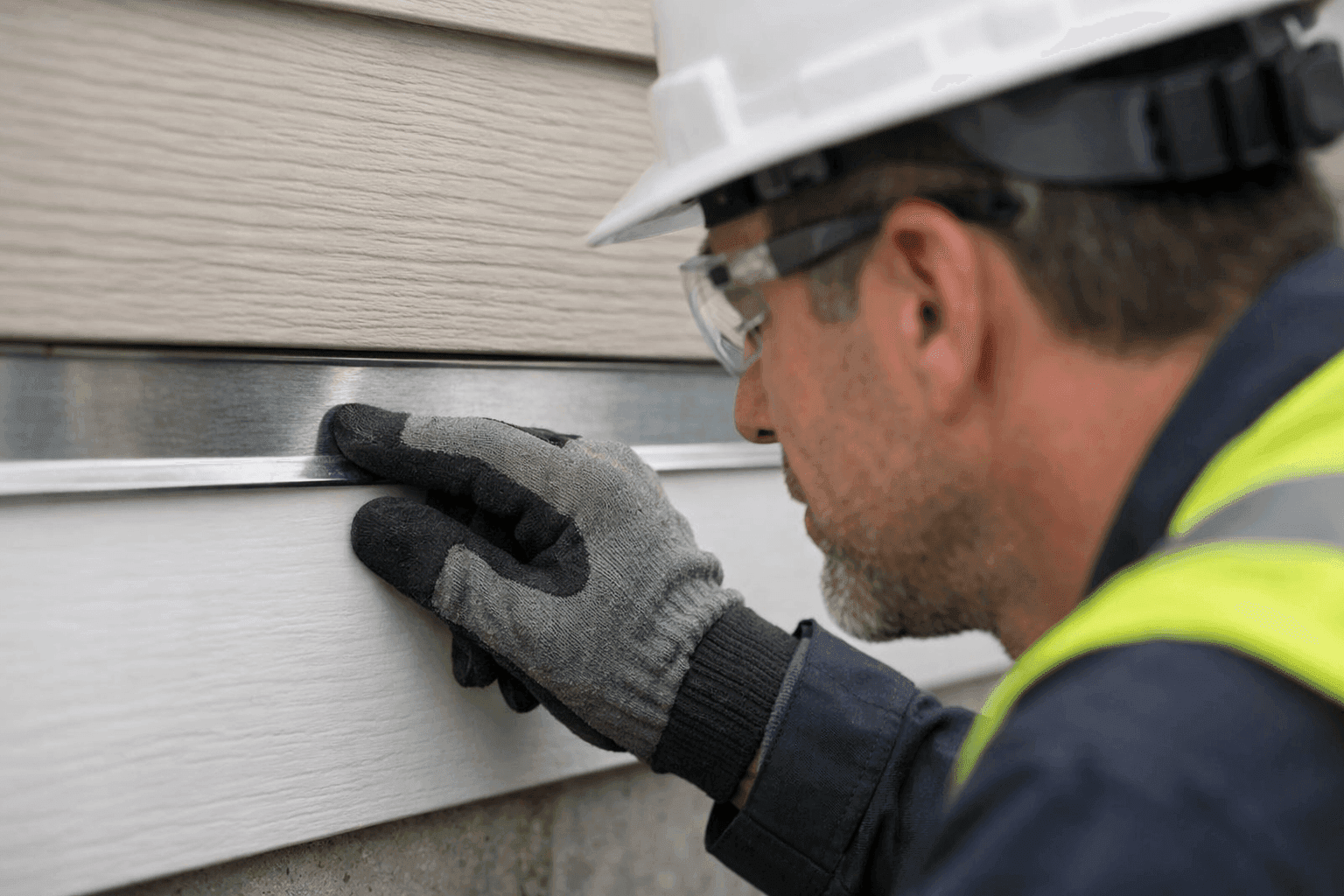
When you think about your building's siding, you probably picture color, texture, and curb appeal. But there’s an unsung hero that works tirelessly behind the scenes: siding flashing. When it’s missing or compromised, even the toughest siding can’t keep water and weather at bay.
If you’re a homeowner or business owner, spotting flashing problems early can save thousands of dollars in water damage. POM Siding brings decades of experience in siding repair and installation—let’s break down what siding flashing is, why it matters, and how to spot trouble before it grows.
What Is Siding Flashing?
Picture flashing as the raincoat for your building’s siding. It’s a thin strip—usually metal, vinyl, or rubber—that directs water away from vulnerable seams and edges. You’ll find it tucked behind siding panels, above windows and doors, and where roofs meet walls.
- Purpose: Flashing acts as a shield, preventing water from sneaking behind your siding and causing rot, mold, or insulation damage.
- Materials: Galvanized steel and aluminum are common for their durability, though some installations use flexible vinyl or rubber for tricky corners.
- Where It's Used: You’ll spot flashing wherever water naturally wants to seep in—think window sills, roof-to-wall transitions, deck connections, and base of walls.
Building codes like the International Residential Code (IRC) require proper flashing at these transition points to protect your investment.
Common Flashing Problems
Even the best siding can’t make up for faulty flashing. Here are the usual suspects when trouble starts brewing:
- Improper Installation: If flashing is installed backward, too short, or with gaps, water can slip right past.
- Corrosion: Metal flashing exposed to the elements can rust and weaken, especially in harsh climates.
- Gaps or Separation: Over time, flashing can pull away from the wall due to settling, vibration, or weather.
- Cracked Caulking: Old caulk around flashing hardens and breaks, paving the way for leaks.
A single weak spot can turn into a water highway. That’s why regular siding inspection is vital.
How to Spot Flashing Issues Early 👀
Catching flashing problems early is like finding a small leak before it becomes a flood. Start with these visual cues:
- Discoloration or Stains: Brown streaks or dark patches on interior or exterior walls can signal water intrusion.
- Peeling Paint or Bubbling Siding: Moisture trapped behind siding works its way out, lifting paint or siding panels.
- Soft or Warped Trim: Press gently on window and door trim—spongy wood is a warning sign.
- Mold or Mildew: Musty odors or visible mold are red flags that water’s been lingering.
If you spot any of these, don’t wait. Schedule a thorough siding inspection to uncover hidden damage.
Quick Safety Checklist Before You Inspect
Safety comes first. Before you climb ladders or poke around siding, remember:
- Wear gloves and sturdy shoes.
- Avoid inspecting during storms or high winds.
- Don’t pry or remove siding unless you’re confident in what you’re doing.
If you’re unsure, it’s best to call a professional—water damage can hide in places you can’t see.
DIY vs. Calling a Pro: What’s Smart?
Some light caulking or cleaning can be a DIY job for handy homeowners. But flashing repair is often like rewiring a car—what looks simple can get complicated fast.
- DIY: Caulking small gaps, cleaning debris from flashing, tightening loose screws.
- Pro-Level: Replacing corroded flashing, resealing large sections, or fixing hidden leaks.
Pros know where to look, how to replace flashing without damaging siding, and how to keep repairs up to code.
What Pros Do On Arrival
When POM Siding experts arrive, here’s what happens:
- Full Visual Inspection: We check every vulnerable spot—windows, doors, roof lines, decks.
- Moisture Testing: Tools help us detect hidden wet spots, even behind siding.
- Assessment: We explain what’s wrong, what needs fixing, and why.
- Repair Plan: Clear, step-by-step repairs with minimal disruption to your daily life.
Our goal? To stop water in its tracks and keep your siding strong for years to come.
Prevention & Maintenance Tips 🛠️
Think of flashing care like brushing your teeth—small steps now prevent bigger problems later.
- Clean gutters regularly so water flows away, not behind siding.
- Trim back shrubs and trees; overgrown plants trap moisture.
- Re-caulk visible seams every couple of years, especially after harsh winters or storms.
- Schedule annual siding maintenance to catch issues early.
Follow manufacturer guidelines and the National Roofing Contractors Association’s tips for flashing upkeep.
Costs & Time Factors
Flashing repairs range from quick fixes to larger projects depending on the damage:
- Minor Repairs: Sealing small gaps or replacing short sections—usually a few hours.
- Major Overhauls: Full flashing replacement or siding removal can take a day or two.
- Cost Factors: Material type, siding style, and access all play a role.
Timely repairs are almost always less expensive than fixing water damage later.
When It’s an Emergency
Not all flashing problems are urgent, but if you notice:
- Active dripping or pooling water inside
- Bulging or collapsing walls/ceiling
- Unexplained power outages near affected areas
Call for emergency siding services immediately. Water can quickly ruin insulation, electrical systems, and structural supports.
Frequently Asked Questions About Siding Flashing
How long does siding flashing last?
Quality flashing can last decades, but caulk and sealant may need refreshing every 5-10 years depending on exposure.
Can I just patch damaged flashing?
Small patches are okay for temporary fixes, but full replacement is best for long-term protection.
Is flashing required by code?
Yes—local building codes require proper flashing at all critical junctions. Skipping it can void warranties and insurance.
Seasonal Considerations: Spring Thaw to Winter Freeze
Flashing takes a beating year-round. In spring, melting snow can force water behind siding. In summer, heavy storms test every seam. Fall leaves clog gutters and direct water toward the house. Winter ice can pull flashing loose as it expands and contracts.
Schedule a siding checkup after each major season—or anytime you notice changes.
Common Mistakes We See
- Overlapping siding without proper flashing underneath
- Skipping caulk or using the wrong sealant
- Using incompatible materials—like mixing aluminum and copper, which accelerates corrosion
- Ignoring small leaks until rot sets in
If you’re unsure, a quick siding repair can prevent these errors from turning into expensive headaches.
Timeline & Disruption: What to Expect
Most flashing jobs cause minimal disruption. Our team works quickly and neatly, protecting landscaping and cleaning up after each project. For larger repairs, we’ll keep you informed every step so you know what to expect.
Materials & Equipment Pros Rely On 🧰
- Galvanized or coated steel for durability
- Butyl or polyurethane caulks for flexible, weatherproof seals
- Moisture meters to track hidden water
- Heavy-duty snips and brake for custom-fit flashing pieces
These tools help us deliver long-lasting repairs that keep your home or business safe.
How Siding Flashing Protects Your Investment
Flashing is your silent guardian. It’s the invisible line of defense that keeps your siding, insulation, and framing dry—even during the wildest weather.
Without it, water finds a way in. With it, your property stands strong for years to come. That’s why POM Siding takes every flashing job seriously.
Siding Flashing and Local Building Codes
Flashing isn’t optional—it’s required by building codes in almost every community. For example, the International Residential Code (IRC) and International Building Code (IBC) both outline strict requirements for flashing placement and materials. Home inspectors and adjusters look for these details when assessing property value and safety.
When to Upgrade: Is It Time for New Flashing?
If your home or business is over 20 years old and you’ve never had the flashing checked, it’s time. Renovations, new windows, or additions are perfect opportunities to upgrade to modern, code-compliant flashing.
Can Siding Flashing Impact Energy Efficiency?
Absolutely. Water intrusion degrades insulation, leading to higher energy bills and uncomfortable drafts. Keeping flashing in top shape helps maintain a dry, energy-efficient envelope—cutting costs in the long run.
Siding Flashing for New Construction Projects
Building your dream home or a new commercial space? Proper flashing is critical from day one. Don’t leave it to chance—work with professionals who understand local codes and best practices. If you’re looking for siding and soffit and fascia repair near you, our team brings the expertise you need for lasting results.
For a high-value siding consultation in the area, learn more about our Grand Island siding services.
Protect your property from the inside out. Don’t wait for leaks to appear—be proactive about your siding flashing.
Call POM Siding now — or reach us anytime at 888-870-1065 .