Siding for Energy Efficiency: How Installation Impacts Your Bills
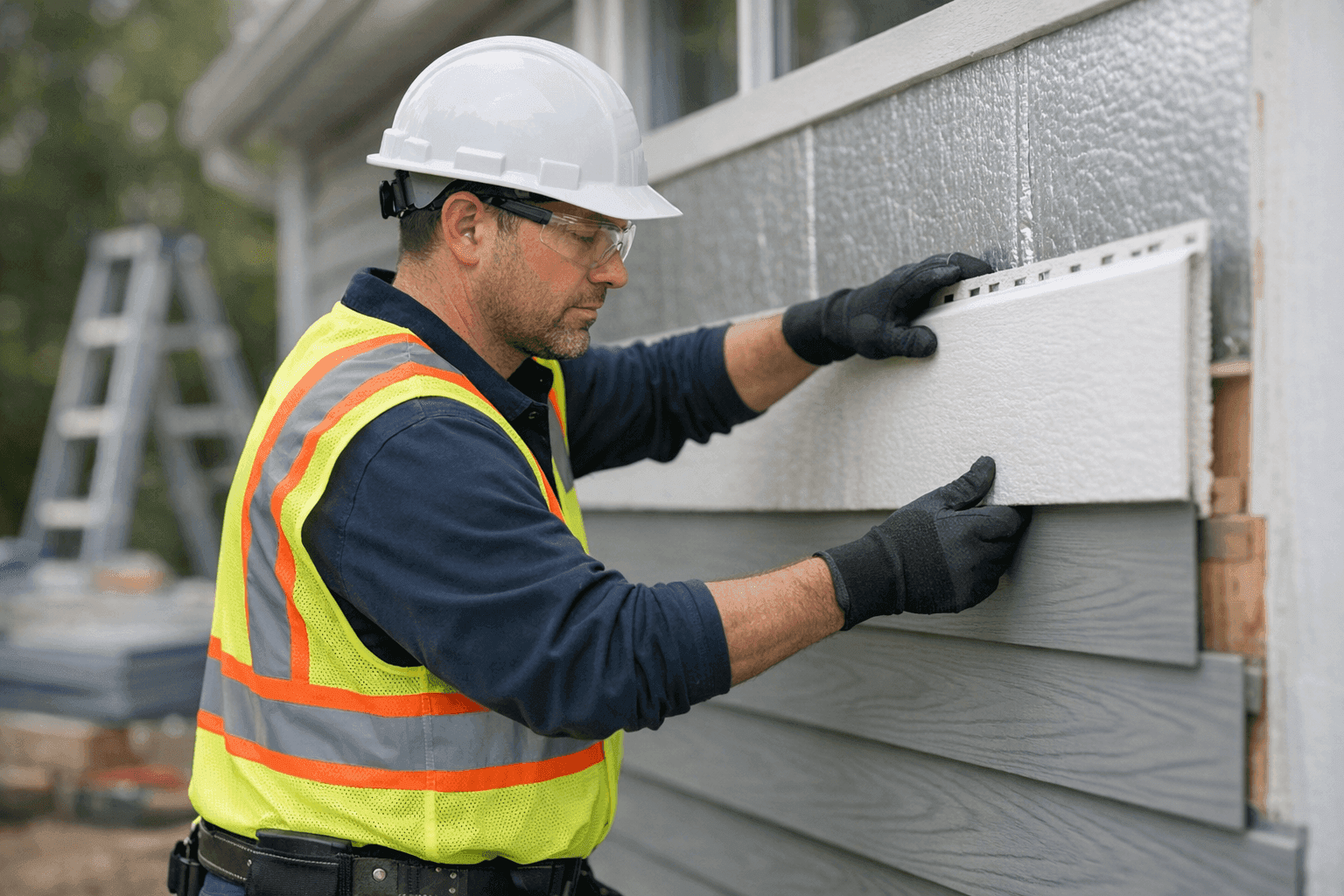
Energy bills seem to creep up every season. A drafty wall or a cold living room isn’t just uncomfortable—it’s expensive. If you’re tired of paying more while getting less comfort, your siding might be to blame.
At POM Siding, we help homeowners and businesses cut through the confusion. Getting siding right isn’t just about curb appeal. It’s about comfort, savings, and peace of mind for years to come.
How Siding Affects Energy Use
Think of your siding as a cozy sweater for your building. When it fits right, you stay warm in winter and cool in summer. When it’s thin or full of holes, you’re shivering—or sweating.
Here’s how siding impacts your energy use:
- Insulation: Quality siding creates a barrier that slows heat loss in winter and keeps cool air in during summer. The U.S. Department of Energy notes that up to 25% of heat loss in a typical home escapes through walls. Siding with proper insulation cuts this down dramatically.
- Air Sealing: Tiny gaps or cracks in siding let air flow freely—like leaving a window cracked all year. This forces your heating and cooling systems to work harder, driving up your bills.
- Reflective Properties: Some siding materials reflect sunlight, reducing the amount of heat absorbed by your home on hot days.
A solid siding system, working with soffit and fascia, is your first line of defense against the elements.
Best Siding Materials for Energy Savings 🏡
Not all siding is created equal when it comes to saving energy. Let’s break down the best options for long-term comfort and lower utility bills:
Insulated Vinyl Siding
- Built-in foam layers boost insulation (measured as R-value).
- Helps eliminate cold spots and drafts.
- Durable and low-maintenance, with many colors.
Fiber Cement Siding
- Dense and sturdy, it resists heat loss better than thin materials.
- When paired with professional insulation installation, it delivers impressive efficiency.
- Excellent fire and pest resistance.
Wood Siding
- Naturally insulating.
- Can be combined with modern insulation for even better performance.
- Timeless look—works well for both homes and businesses.
Tip: Not sure what fits your needs? POM Siding offers siding material consultation to help you weigh comfort, cost, and appearance.
Installation Quality and Energy Loss
Great siding isn’t enough on its own. The way it’s installed matters just as much—sometimes more.
Common Mistakes That Waste Energy
- Gaps and Overlaps: Poorly aligned panels or boards let drafts in.
- Missed Flashing: Water leaks can rot insulation and framing.
- Weak Caulking: Crumbling sealant lets air and moisture sneak past.
Even the best siding loses its value if shortcuts are taken during installation.
How to Check for Gaps
- Visual Inspection: Look for visible cracks, especially at corners, windows, and where siding meets the roofline.
- Draft Test: On a windy day, feel around outlets or inside corners. Cold air means there’s a hidden gap outside.
- Professional Siding Inspection: A trained eye can spot issues before they become expensive problems.
Siding and Insulation: A Winning Team
Siding and insulation go hand in hand. Think of insulation as the marshmallow in your s’more, trapping heat where you want it. The siding is the cracker, keeping it all together and protected.
Best practices:
- Always pair new siding with a careful check of your wall insulation.
- Upgrade to rigid foam or blown-in insulation for the tightest seal.
- Don’t forget attic and crawl space insulation—heat rises and escapes wherever it can.
Soffit and Fascia: The Unsung Energy Heroes
These small parts of your exterior do big work. Soffits allow controlled airflow, venting moisture and heat that can build up in your attic. Fascia keeps water out and helps seal the roofline.
If soffits are blocked or damaged, you might face ice dams in winter and sweltering attics in summer—both energy drains.
Need expert help? Search for "Soffit and Fascia Repair near you," or trust a local, experienced team.
Preventing Energy Leaks: Siding Maintenance Tips
Don’t let small issues sneak up on you. Routine checks and low-effort fixes make a big difference.
- Wash siding annually to spot cracks or warping early.
- Re-caulk every few years, especially around windows and doors.
- After major storms, inspect for damage or loose panels.
Keeping your siding in shape isn’t just about looks. It’s about stopping energy loss before it drains your wallet.
Costs and Time Factors: What to Expect
Energy-efficient siding is an investment, but it pays back over time. The U.S. Department of Housing and Urban Development estimates that upgrading to insulated siding can reduce utility bills by 15% or more.
What affects the final cost?
- Size and shape of your property
- Siding material chosen
- Existing wall condition and prep work needed
- Labor and installation standards
Most installations wrap up within a week for average homes, but complex projects may take longer.
New Construction vs. Retrofit: What’s Different?
Building from scratch? You have more choices and flexibility—layered insulation, custom flashing, and seamless integration. Retrofitting an older home? Expect a bit more prep and problem-solving, but the right team can transform even drafty walls.
Either way, prioritize energy efficiency from the start. It’s much harder—and more expensive—to fix after the fact.
When Siding Issues Become an Emergency
Sometimes, it’s not just about comfort. Major siding damage can expose your home to water, pests, or even electrical hazards.
Red flags:
- Sudden spikes in your energy bill
- Visible holes or missing panels
- Water stains on interior walls
If you notice any of these, don’t wait. Emergency siding services can prevent bigger headaches—and higher costs—down the road.
The Seasons Matter: Timing Your Siding Project
Spring and fall are ideal for siding work. The weather is mild, making installation faster and materials easier to handle. Summer heat can affect caulking and adhesives, while winter makes some repairs tricky.
Plan ahead and book early to lock in your spot and avoid seasonal rushes.
DIY vs. Pro: What’s At Stake?
Some projects seem simple. But siding, soffit, and fascia installation or repair require a sharp eye and steady hands.
DIY can save money up front, but mistakes often cost more in the long run. Gaps, misalignments, or botched insulation leave you paying extra on every utility bill.
Professionals know current codes, use the right fasteners, and ensure everything is weather-tight. For big repairs or whole-home projects, calling in the pros is worth every penny.
Signs Your Siding Needs Attention 🔎
Wondering if your siding is working as hard as it should?
- Higher bills with no clear cause
- Drafts or cold spots near walls
- Visible cracks, warping, or mold growth
- Faded or peeling paint (can signal trapped moisture)
Schedule regular siding inspections, especially after severe weather.
Regulations and Safety: What You Need to Know
Proper siding installation follows local building codes and manufacturer guidelines. These rules exist for a reason: safety, durability, and energy savings. The International Code Council (ICC) and U.S. Department of Energy both provide standards for insulation values, fire ratings, and installation techniques.
Always ask your siding contractor about their adherence to current codes and best practices.
Commercial Siding: Energy Efficiency for Businesses
Energy savings aren’t just for homes. Businesses can slash operating costs and boost comfort for employees and customers with modern, insulated siding.
- Reduces HVAC load
- Cuts long-term maintenance
- Supports sustainability goals
Custom siding solutions can be tailored to your building’s size, use, and appearance.
Weatherproofing and Ventilation: The Siding Advantage
Weatherproof siding is more than just a shield. It works in harmony with vents, insulation, and flashing to keep moisture out and comfort in.
Don’t overlook details like caulking, drip edges, and proper ventilation channels. These small steps extend the life of your siding—and your building.
Siding Color and Energy Impact
Believe it or not, color makes a difference. Lighter shades reflect sunlight, keeping interiors cooler in summer. Darker colors may absorb more heat. When planning your next upgrade, consider both style and energy impact.
Our team can help you weigh the options during a siding color consultation—a smart step for anyone searching for a "siding contractor" who values both looks and savings.
Ready to Lower Your Energy Bills?
Siding is more than an exterior finish. It’s protection, comfort, and savings—year after year. Whether you need a quick repair or a full upgrade, POM Siding is here to help you make the smart choice.
Call POM Siding now — or reach us anytime at 888-870-1065 .