The Siding Contractor Hiring Checklist
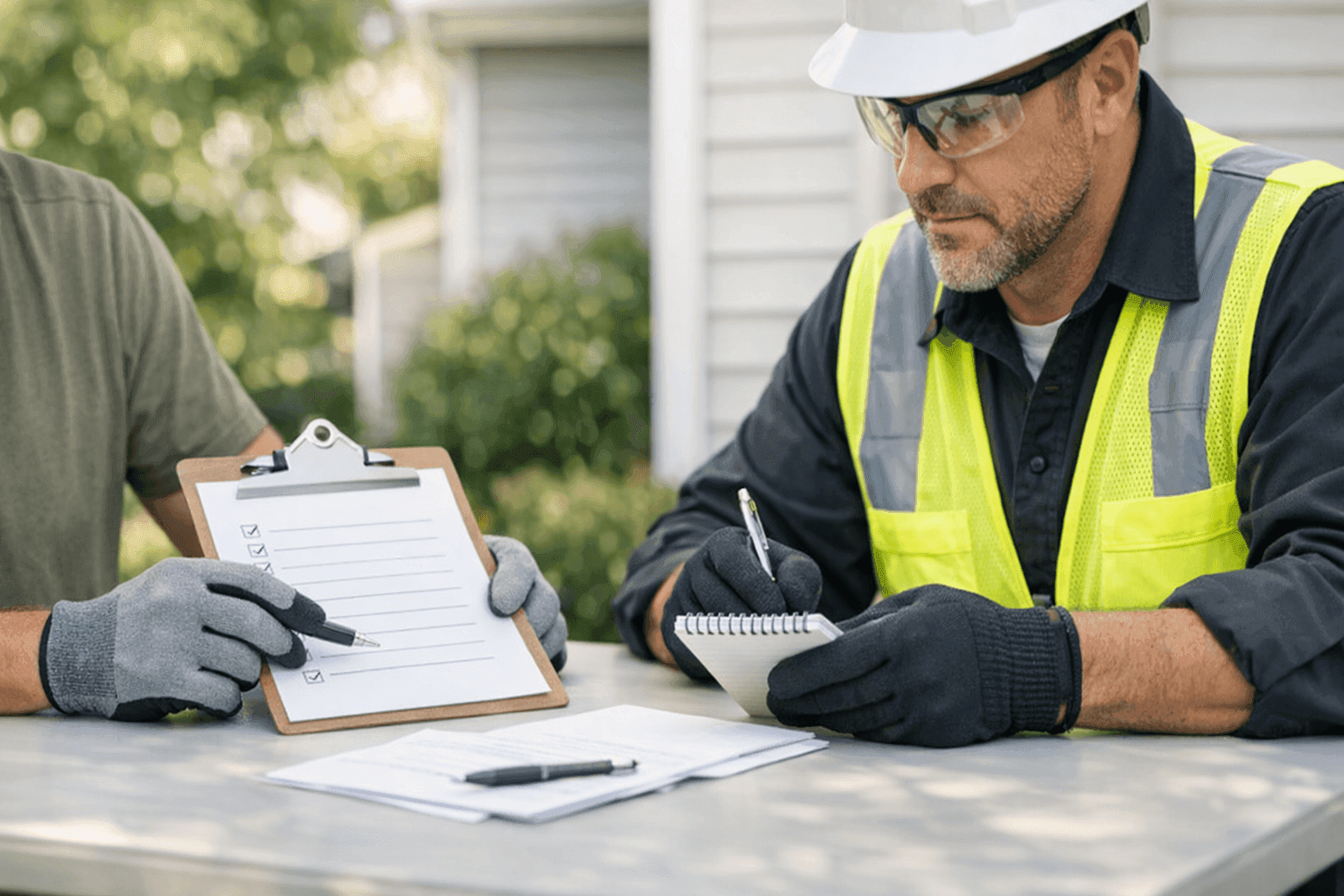
When it comes to siding, nobody wants to gamble with their home or business. The wrong hire can turn a dream upgrade into a headache that drags on for months. At POM Siding, we know how important it is to choose the right contractor for soffit and fascia repair, trim installation, or a full siding replacement. Why? Because your property deserves protection, beauty, and peace of mind.
If you’re facing storm damage, planning a renovation, or building new, the stakes are high. This checklist will help you navigate the hiring process, avoid common pitfalls, and land a reliable siding pro. Let’s get started.
Credentials and Licensing 📑
Choosing a siding contractor is like trusting someone to guard your front door. You want proof they belong there.
- State and Local Licensing: Ask to see a current license for siding work. Requirements vary by state and city, so check with your local building department or the International Code Council for what’s needed in your area.
- Certifications: Are they trained or certified to install specific brands or materials? This matters for warranties, especially with fiber cement, stucco, or metal siding.
- Business Registration: Look for a verifiable business name, address, and phone number. Contractors who vanish overnight leave projects—and properties—at risk.
- Better Business Bureau Membership: While not required, BBB membership or good standing can signal a contractor who cares about reputation.
Pro Tip: Don’t just take their word for it. Write down license numbers and verify them with your city or state’s licensing board.
Experience and References 🏡
Skill isn’t just about swinging a hammer. It’s years of weathering all kinds of jobs—and handling the surprises that come with them.
- Years in Business: Longevity matters. Contractors who’ve stood the test of time have likely handled jobs like yours before.
- Portfolio: Ask for before-and-after photos of recent work. For residential and commercial projects, look for variety—fiber cement, vinyl, wood, metal, and even stucco.
- References: Request names and numbers of past clients. Call them. Were they satisfied? Did the crew clean up? Did the siding last through a few seasons?
- Specialties: Some teams focus on repairs, like siding flashing repair or gutter installation. Others excel at full siding replacement. Make sure their experience matches your needs.
Remember, you’re not just buying siding—you’re buying peace of mind.
Insurance and Warranties 🛡️
Imagine a ladder slips or a storm halts work. Who pays? Without proper insurance, you might.
- General Liability Insurance: This covers accidental damage to your property. Always ask for a current certificate.
- Workers’ Compensation Insurance: Protects you if a worker is injured on your site. It’s not just a formality—it’s essential.
- Material and Labor Warranties: Get details in writing. How long does the siding warranty last? What’s covered—just materials, or installation too?
- Manufacturer Backing: For products like fiber cement or vinyl siding, check if the manufacturer’s warranty is valid only when installed by certified pros.
Tip: Insist on copies of insurance certificates before work starts. If a contractor hesitates, walk away.
Comparing Bids and Timelines 💸
Bids aren’t apples to apples. Sometimes, it’s more like apples to oranges.
- Detailed Written Estimates: Every quote should spell out materials, labor, prep work, and disposal. Vague bids hide costly surprises.
- Scope of Work: Does the bid include soffit and fascia repair, gutter work, or just siding? Are trim and molding installation or paint included?
- Project Timeline: How soon can they start? How long will it take? Delays happen, but a clear timeline shows professionalism.
- Payment Schedule: Avoid large upfront payments. Standard practice is a deposit with progress payments tied to milestones.
- Change Orders: Ask what happens if you want to add services like weatherproofing or insulation installation mid-project.
Red Flag: Lowest price isn’t always the best deal. If one bid is much lower, ask why. Are they cutting corners on flashing, caulking, or ventilation solutions?
Quick Safety Checklist
Safety is more than hard hats—it’s about protecting your home and everyone on site.
- Are workers trained in OSHA safety standards?
- Do they use fall protection for high areas?
- Will scaffolding or ladders be left on site overnight?
- Is the work area kept tidy to avoid tripping hazards?
Ask to see their safety plan. Responsible contractors are happy to share.
DIY vs. Call a Pro
Tempted to try siding repair yourself? For small fixes, it’s possible. But soffit and fascia repairs, or full siding replacement, often require special tools, permits, and knowledge of building codes. One missed step can lead to leaks, rot, or voided warranties.
If you’re not sure, a professional siding consultation can help you weigh your options.
What Pros Do On Arrival
A true siding contractor won’t just show up and start nailing boards.
- They’ll walk the property, inside and out.
- They’ll check for water damage, loose flashing, and ventilation issues.
- If you’re considering eco-friendly siding options or custom siding solutions, they’ll bring samples and explain the pros and cons.
- They’ll discuss insulation needs, especially if you want to boost energy efficiency.
Preparation is half the job. A real pro knows that.
Prevention & Maintenance
Siding isn’t a set-it-and-forget-it upgrade. Regular cleaning, caulking, and occasional painting keep it looking sharp and working hard against the elements.
- Schedule annual siding inspection to catch small issues before they become big ones.
- Clean gutters and downspouts—clogged drainage can ruin siding.
- Keep plantings trimmed back to avoid moisture and pest problems.
Simple steps now prevent headaches later.
Costs & Time Factors
Budgeting for siding is like planning a road trip—you want to know all the stops before you hit the gas.
- Materials: Vinyl is affordable, fiber cement is tough, wood is timeless, and metal stands up to the elements.
- Labor: Complex jobs (like multi-story homes or commercial siding) take more time and skill.
- Extras: Don’t forget about trim, caulking, painting, or emergency siding services.
Ask for a timeline with clear milestones. That way, you know when to expect noise, dust, and finally—a fresh new look.
When It’s an Emergency
Storms don’t wait for business hours, and neither should urgent repairs. If you spot sagging soffits, cracked siding, or water stains inside, call for emergency siding services right away.
Fast action prevents bigger damage. Always ask contractors if they handle after-hours calls or have a plan for urgent repairs.
FAQ: Common Questions Homeowners Ask
Q: How often should siding be replaced?
A: Depends on material. Vinyl lasts 20–40 years, fiber cement up to 50, wood varies with maintenance.
Q: Can siding be painted?
A: Yes, but surface prep is key—especially for older siding or if switching colors.
Q: What are signs I need soffit and fascia repair near me?
A: Peeling paint, sagging boards, animal nests, or visible water stains.
Q: How do I know if my contractor is using quality materials?
A: Ask for product names and request manufacturer specs. Research those products yourself.
Seasonal Considerations
Weather can make or break a siding project.
- Spring and fall are ideal—mild temps help adhesives and caulk cure properly.
- Winter installs may be possible, but cold can cause delays.
- Summer heat can affect drying times for paint and caulk.
Plan ahead, and ask your contractor how they handle weather delays.
Common Mistakes to Avoid
- Skipping the permit process. Building codes exist for a reason.
- Ignoring ventilation—poor airflow leads to mold and rot.
- Choosing the lowest bid without checking references.
- Overlooking warranty terms. Some require annual maintenance or inspections.
Stay informed, and you’ll sidestep most pitfalls.
Signs of Trouble
Watch out for these warning signs:
- Siding that warps, buckles, or blisters.
- Loose or missing trim.
- Water stains or musty odors inside.
- High energy bills—a sign insulation may be lacking.
Catching these early can save you money and stress down the line.
Timeline & Disruption
Every siding job brings some disruption. Expect noise, dust, and a few days of inconvenience.
- Clear outdoor spaces for equipment and debris.
- Let neighbors know about the work schedule.
- Ask your contractor for daily updates, and don’t hesitate to ask questions.
A good contractor keeps you in the loop, so you’re never left guessing.
Materials and Equipment
Choosing the right material matters as much as the installer.
- Vinyl: Cost-effective and low maintenance.
- Fiber Cement: Durable and fire-resistant.
- Metal: Long-lasting and modern.
- Wood: Classic and natural, but needs upkeep.
- Stucco: Unique look, great for certain climates.
A siding material consultation helps you weigh the options based on your needs, budget, and property style.
Local Siding Services for Any Project
Whether you need soffit and fascia repair near you or a full siding replacement, choose a contractor who’s nearby, established, and responsive. If you’re in the Conway area, our team is ready—see our siding services for Conway homes and businesses and get started today.
Ready to Hire with Confidence?
A great siding job starts with a smart hiring process. Use this checklist—ask questions, take notes, and don’t rush. Your property is worth it.
Call POM Siding now — or reach us anytime at 888-870-1065 .