How Siding Color Affects Resale Value and Curb Appeal
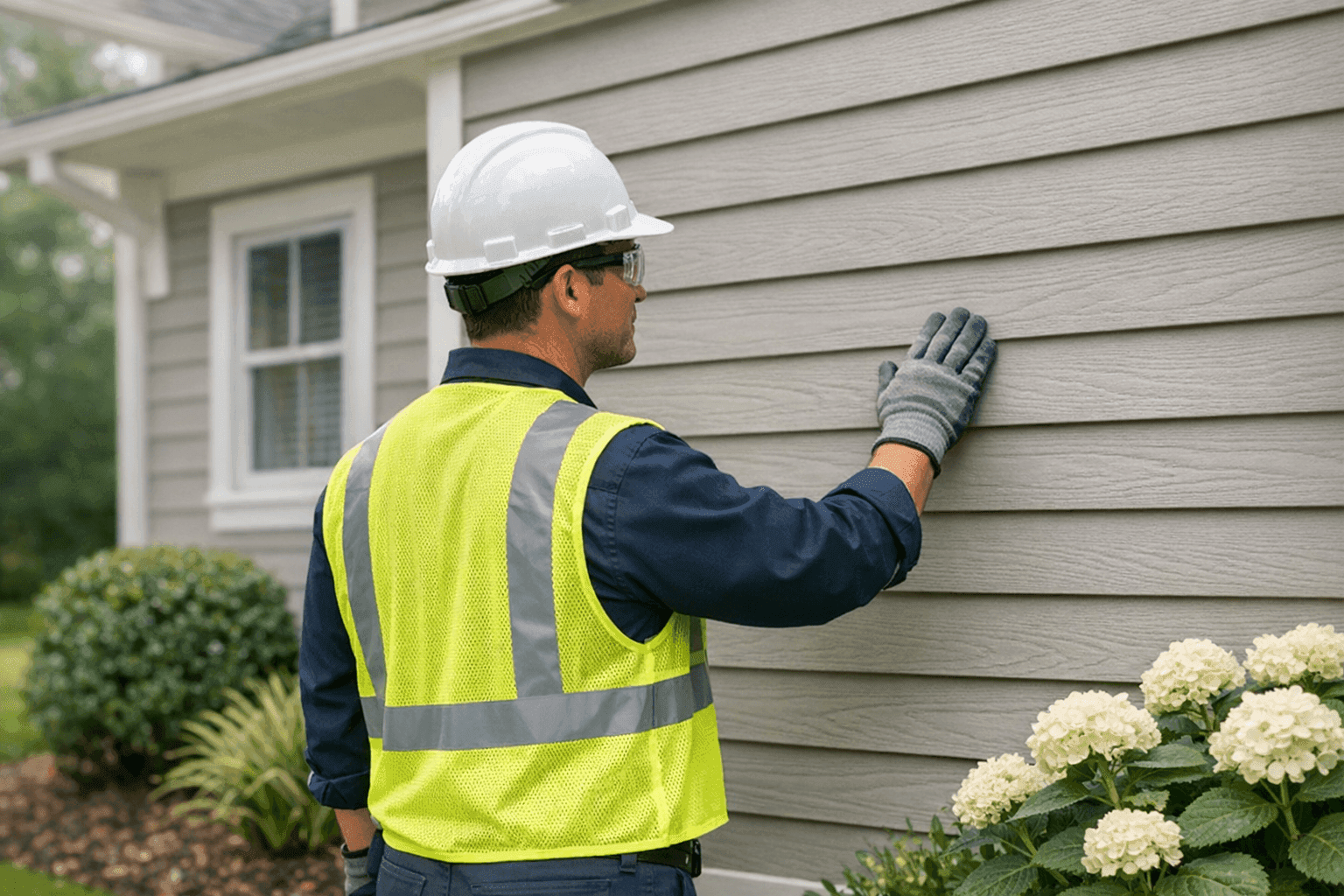
When you pull up to a house, the siding color is the first thing you notice. That first impression lingers—sometimes making all the difference between a quick sale and a slow one. At POM Siding, we’ve seen how a smart color choice turns hesitation into a handshake.
Resale value and curb appeal aren’t just buzzwords. They’re how homes get noticed, loved, and sold. If you’re planning siding replacement or painting, understanding the why behind color choice is essential.
How Color Influences Perception
Color is more than decoration—it’s a message. A home’s siding color can whisper “welcome” or shout “needs work.” According to color psychology, certain shades evoke trust, calm, or excitement. Neutrals are often associated with stability, while bold colors can express confidence or creativity.
First Impressions Matter:
Studies from the National Association of Realtors confirm that buyers often make snap judgments based on exterior appearance. A fresh, attractive siding color can add perceived value before anyone steps inside.
Style Trends:
Trends shift, but some truths endure. While once-popular pastels now seem dated, modern palettes favor timeless, subtle hues. Every year, design magazines and real estate agents release lists of “most sellable” colors. These aren’t just opinions—they’re insights drawn from thousands of sales.
Market Data:
Zillow’s research shows homes with certain exterior colors (think “greige” or deep blue-grays) sell for more, on average, compared to louder or outdated hues. What’s popular in one decade—or one neighborhood—may flop in another, so context counts.
Popular Siding Colors for Resale 🏡
So what colors do buyers want? The answer is surprisingly consistent.
- Neutrals: Soft grays, creamy whites, beige, and taupe are perennial favorites. They’re easy to pair with trim, landscaping, and roofing, and they appeal to the widest audience.
- Timeless Shades: Navy blue, slate, and forest green offer character without overwhelming. These colors look fresh for years and rarely go out of style.
- Accents: Dark trim or shutters—think charcoal or black—add sophistication but shouldn’t dominate the palette.
- Avoiding Fads: While bright reds or yellows might work for a beach cottage, they rarely help most homes sell quickly.
A good siding color consultation ensures your choice fits your home’s architecture, local climate, and buyer expectations. If you’re considering a change, our siding-color-consultation service brings tailored advice straight to your door.
Mistakes to Avoid
The wrong color can undercut your investment. Even with new siding, clashing or offbeat shades can leave buyers cold.
- Unusual Colors: Neon, purple, or excessively bright hues stand out—but not in a good way. You want your home to look loved, not loud.
- Clashing Trim: Trim and molding should complement, not compete. Mismatched shades create a jarring effect that cheapens your home’s look.
- Over-Personalization: A color you love may not work for everyone. When selling, think “universally appealing,” not “unique to me.”
- Ignoring Neighborhood Context: If most homes on your street are muted, a bold choice may make yours stick out for the wrong reasons.
The Psychology Behind Siding Color
Why do neutral colors sell better? It’s science, not just style. According to environmental psychologists, people gravitate toward homes that feel safe and harmonious. Soft earth tones, cool grays, and gentle blues evoke trust and calm. Bold, unusual colors can have the opposite effect—spark interest, but also suspicion or discomfort.
Real Estate Insights: What Agents Say
Real estate professionals deal in first impressions. They know buyers often decide in seconds whether to schedule a showing. According to the National Association of Realtors, exterior color is one of the top five factors influencing curb appeal—and, by extension, resale value. Clean, modern, and well-maintained siding signals care and quality.
DIY vs. Professional Siding Painting
Painting or replacing siding is a big job. While adventurous homeowners sometimes tackle it themselves, most quickly realize the time, tools, and precision required. Mistakes can cost more in the long run—either in materials or lost resale value.
- Pros have the right prep: From cleaning to priming, professionals know how to prevent peeling, fading, and moisture problems.
- Quality matters: The best paints and installation practices stand up to weather and years of sun.
- Warranty protection: Many manufacturers require professional installation or painting to keep warranties valid.
Thinking about a change? Our siding-painting service ensures a flawless finish—without the risks of DIY.
Siding Color and Material Compatibility
Not every color works on every material. Fiber cement, vinyl, wood, and metal each absorb and reflect light differently. Dark colors on vinyl, for example, can warp in the sun if not specially formulated. Wood siding can take deeper stains, while stucco shows subtle color variations.
Always consult with your installer or manufacturer to match color, material, and climate.
The Right Time for a Color Update
When is the best time to repaint or replace your siding? Consider these scenarios:
- Before listing your home: A new color can make your property stand out in online listings and open houses.
- After storm damage: If you’re already repairing, it’s a great opportunity for a fresh, buyer-friendly look.
- During major repairs: Soffit and fascia repair or gutter replacement is the ideal moment for a color update.
- New construction: Set your home apart from the start with a color palette that ages well.
Safety and Code Considerations
Some homeowner associations or local codes restrict siding color choices. Always check requirements before proceeding. Using proper materials and paints ensures not only beauty but also compliance with fire, weather, and safety standards (see your local building code office or the International Code Council for details).
Cost Factors: Budgeting for Color Change
Changing your siding color isn’t just about paint or panels. Consider:
- Material costs: Some siding types cost more to paint or replace than others.
- Labor: Professional installation or painting adds peace of mind and longevity but must be factored into your budget.
- Preparation: Old paint removal, repairs, and cleaning all affect the final tally.
Consult a siding professional to get an accurate quote based on your material and goals.
Signs It’s Time for a Color Refresh
How do you know when a new color is overdue?
- Fading, peeling, or chalky residue
- Outdated color compared to neighboring homes
- Visible damage from storms or weather
- Preparing to sell or refinance
A siding inspection can reveal hidden issues and help plan your next steps. Our siding-consultation service is designed to give you clarity and confidence.
Siding Color Trends for 2026
Looking ahead, muted, earthy shades continue to dominate. Expect to see more sage greens, warm grays, and even deep blues. These colors offer broad appeal and age gracefully, helping homes maintain value over time.
The Role of Trim, Molding, and Accents
Color isn’t just about the main siding panels. Trim, fascia, and moldings create contrast and frame your home’s best features. For maximum curb appeal:
- Keep trim colors simple and subtle
- Avoid high-contrast pairings that distract from the main color
- Coordinate with your roof, doors, and landscaping
If you need inspiration, check out local neighborhoods or consult real estate listings to see what’s selling.
Maintenance Tips for Long-Lasting Color
- Regular cleaning: Dirt and mildew dull even the best colors.
- Inspect after storms: Hail and wind can damage siding, causing paint to flake or peel.
- Touch-ups: Address chips or cracks early to prevent bigger problems.
- Proper caulking and sealing: Protects against moisture, prolonging color life.
If you need soffit and fascia repair near you, or any related maintenance, act promptly—small fixes today prevent larger expenses tomorrow.
Custom Siding Solutions: When to Go Bold
Sometimes, a unique color is the right call—especially for custom homes or commercial properties. In these cases:
- Work with a professional designer or color consultant
- Consider the building’s purpose, brand, or desired impact
- Balance bold choices with timeless appeal
Remember, resale value and curb appeal are still important, even for businesses or one-of-a-kind homes.
Frequently Asked Questions
How much does siding color affect value?
According to real estate data, the right siding color can add thousands to a home’s sale price.
Do buyers really care about color?
Yes—curb appeal is one of the first things buyers notice, and color is a huge part of that impression.
How often should I repaint or replace siding?
Most siding materials need a refresh every 7–15 years, depending on climate, material, and maintenance.
Can I paint vinyl siding?
Yes, but only with specially formulated paints. Consult your installer for safe, lasting results.
Are there eco-friendly siding colors?
Lighter colors can reduce cooling costs in hot climates. Some paints are low-VOC for better air quality.
When to Call a Pro
Color changes are more complex than most expect. From matching materials to prepping surfaces and following safety guidelines, there’s a reason pros have years of experience. Get it right the first time—especially if resale value is a top priority.
If you’re searching for a reliable siding contractor for a high-value home exterior in Wilmington, visit our Wilmington siding services page for trusted help.
The Takeaway: Color is More Than Just Style
A fresh, smart siding color is an investment in your home’s future. Whether you’re boosting curb appeal, prepping for sale, or just ready for a change, the right shade sets the tone for everything that follows.
Ready to talk colors? Call POM Siding now — or reach us anytime at 888-870-1065 .