Siding Caulking & Sealing: Protecting Against Leaks
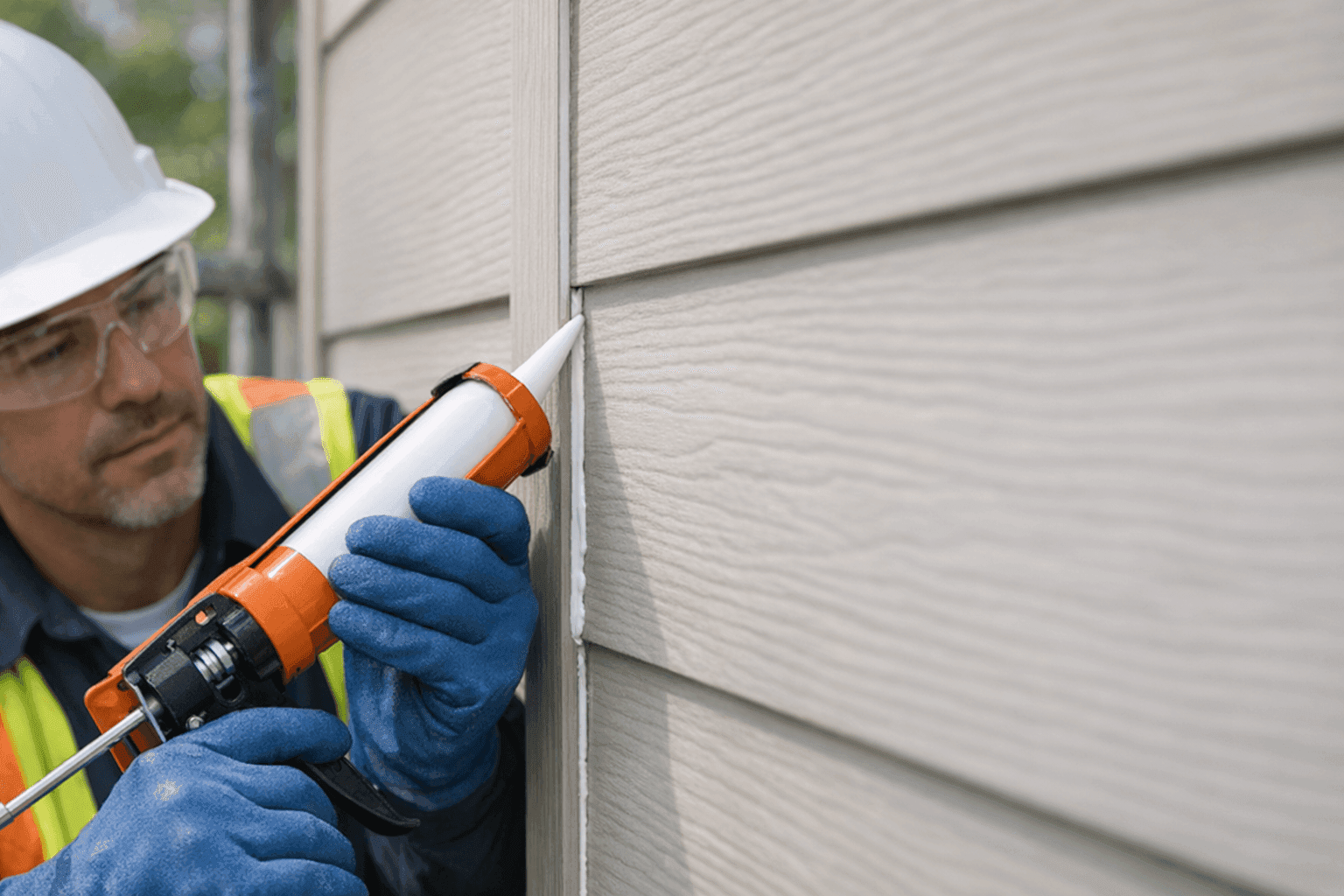
Water trickling in behind your siding is like a slow leak in a roof—quiet, sneaky, and potentially devastating. At POM Siding, we see firsthand how unchecked leaks can turn a minor repair into a major headache.
Ignoring caulking and sealing is like leaving your car windows down in a storm. Rain, wind, and even critters find their way in. Protecting your siding isn't just about looks—it's about defending your property’s integrity, value, and comfort.
Why Caulking Matters for Siding 🛡️
Siding is your building’s first line of defense. But even the best siding isn’t impenetrable. Tiny cracks, gaps around windows, and seams at corners are open invitations for water. Over time, what starts as a droplet can become rot, mold, or even structural damage.
Proper caulking and sealing:
- Blocks water intrusion at its weakest points
- Keeps out insects and rodents
- Prevents drafts and heat loss
- Extends the lifespan of your siding investment
Think of caulking as the weatherproof jacket for your property—essential, practical, and often overlooked until it’s too late.
Where and How to Seal Siding
Not all leaks are obvious. Some hide behind layers, others lurk in plain sight. Here’s where to focus your attention:
Common Leak Points
- Window & Door Trim: Gaps where trim meets siding are prime targets for water.
- Soffit and Fascia Joints: These critical roofline components often separate over time.
- Siding Seams & Corners: Boards overlap, but seams can open with age or shifting.
- Penetrations: Vents, plumbing, and electrical lines all create openings in the siding.
- Foundation Connections: Where siding meets brick or concrete, expansion and contraction cause splitting.
Best Sealants for the Job
Not all caulks are created equal. Here’s what the pros reach for:
- Polyurethane Caulk: Flexible, durable, and paintable—great for most siding types.
- Silicone Caulk: Superior for non-porous surfaces (like metal siding), but not always paintable.
- Acrylic Latex Caulk: Budget-friendly and easy to use, best for areas with less movement.
Always check for ASTM C920 compliance, which meets building code standards for exterior sealants.
Steps for Effective Caulking
- Inspect: Clean all surfaces—old caulk, dirt, and loose paint must go.
- Prep: Use a utility knife and putty tool to remove failing caulk.
- Dry: Only apply caulk to dry, dust-free surfaces for best adhesion.
- Seal: Apply a steady, continuous bead, pressing it into gaps with a caulk tool or finger.
- Smooth: Tool the bead to ensure full contact and a neat finish.
- Cure: Respect drying times—rain or cleaning too soon ruins the job.
DIY vs. Professional Sealing
Rolling up your sleeves for a small repair? Or is your property due for a full inspection and reseal?
When DIY Works
- Small, visible cracks or gaps around a single window
- Re-caulking seams less than 3 feet in length
- You have access to the area, and it’s not too high or dangerous
When to Call POM Siding
- Multiple leak points or recurring moisture issues
- High, hard-to-reach places (risk of falls or incomplete sealing)
- Unfamiliar siding materials (metal, stucco, fiber cement)
- Uncertain if leaks are coming from siding or another source
A professional uses specialized tools, ladders, and—most importantly—years of experience finding and fixing what others miss. Our siding caulking and sealing service ensures nothing’s left to chance.
Signs Your Siding Needs Sealing 🔍
Water damage doesn’t always announce itself. Watch for these warning signs:
- Peeling or bubbling paint: Water behind the siding pushes paint off.
- Mildew or mold: Dark spots, especially near seams or trim.
- Soft or swollen wood: Touch your siding. If it feels spongy, it’s absorbing water.
- Rust stains: On metal siding or fasteners, these hint at hidden leaks.
- Drafts: Cold or hot air coming through walls means gaps are letting more than water through.
- Increased utility bills: Heat loss from air leaks adds up.
If you spot any of these, schedule a siding inspection before small issues become expensive repairs.
What Happens if You Skip Sealing?
Think of failing to seal siding like ignoring a slow leak under your sink. Once water sneaks behind the boards, problems multiply:
- Wood Rot: Siding, sheathing, and even framing can decay.
- Mold Growth: Hidden moisture is the perfect breeding ground.
- Insulation Damage: Wet insulation loses effectiveness, raising your energy bills.
- Pest Infestation: Ants, wasps, and rodents follow the moisture.
The longer you wait, the bigger—and costlier—the headache.
Quick Safety Checklist for Caulking Projects
- Work on dry, mild days (above 40°F for most caulks).
- Use stable ladders and fall protection where needed.
- Wear gloves and safety glasses—sealants can be sticky and irritating.
- Ventilate if working near chemical-based caulks.
- Dispose of old caulking and rags properly.
For more, consult the Occupational Safety and Health Administration (OSHA) guidelines for working at heights.
Preventing Leaks: Maintenance Tips
Routine care keeps your siding performing for years:
- Annual Inspections: Walk the perimeter every spring and fall.
- Prompt Repairs: Don’t put off fixing small gaps or cracks.
- Clean Gutters: Overflowing gutters saturate siding and fascia.
- Trim Vegetation: Plants brushing against siding trap moisture and hide damage.
- Siding Maintenance: Consider a regular siding maintenance plan for peace of mind.
Seasonal Considerations
- Spring: Perfect for inspections and repairs—catch issues before heavy rains.
- Summer: Warm temperatures speed up curing, but avoid caulking in direct sun.
- Fall: Prep siding before winter freeze-thaw cycles expand cracks.
- Winter: Emergency repairs only—most caulks won’t cure below freezing.
Common Mistakes to Avoid
- Overfilling gaps: Too much caulk bulges out and can crack.
- Ignoring surface prep: Dirt or old caulk means new sealant won’t stick.
- Skipping hidden areas: Under decks, behind downspouts—these are often missed.
- Using indoor-only caulk outside: It won’t hold up in weather.
A little extra attention saves big in the long run.
Timeline & Disruption: What to Expect
Most caulking and sealing jobs wrap up in a day or two for average homes. Larger commercial properties may take longer, especially with complex trim or multiple stories. There’s little mess—just some minor noise and limited access to certain areas during work.
Materials & Equipment Pros Use
- Professional-grade caulk guns for smooth, even beads
- Utility knives, scrapers, and caulk removal tools
- Ladders, scaffolding, and harnesses for safe access
- Exterior-grade sealants (ASTM C920 or better)
- Siding-friendly cleaners for prep
Costs & Time Factors
- DIY: A tube of caulk runs $5–$12, but time and skill matter.
- Professional: Pricing depends on siding type, height, and site complexity. Investing now avoids much larger replacement costs later.
When It’s an Emergency
Storm damage, sudden leaks, or visible water inside calls for immediate action. POM Siding provides emergency siding services to quickly seal breaches and prevent further harm.
Frequently Asked Questions
How long does caulking last?
Most high-quality caulks last 5–10 years when properly applied and maintained.
Can you paint over caulk?
Yes—if you use paintable caulk (like polyurethane or acrylic latex). Wait until fully cured.
Is sealing needed for new siding?
Absolutely. Even the best installations have joints and trim that require sealing for full protection.
Do you offer services near me?
We proudly serve both residential and commercial properties. For those seeking reliable siding solutions in Rochester, POM Siding is here to help.
Don’t Wait—Keep Water Out for Good
Water is patient. It finds the smallest crack and makes itself at home. A small investment in siding caulking and sealing today can save you thousands tomorrow, and keep your property strong, dry, and beautiful for years.
Call POM Siding now — or reach us anytime at 888-870-1065 .