Siding for All Climates: Material Guide
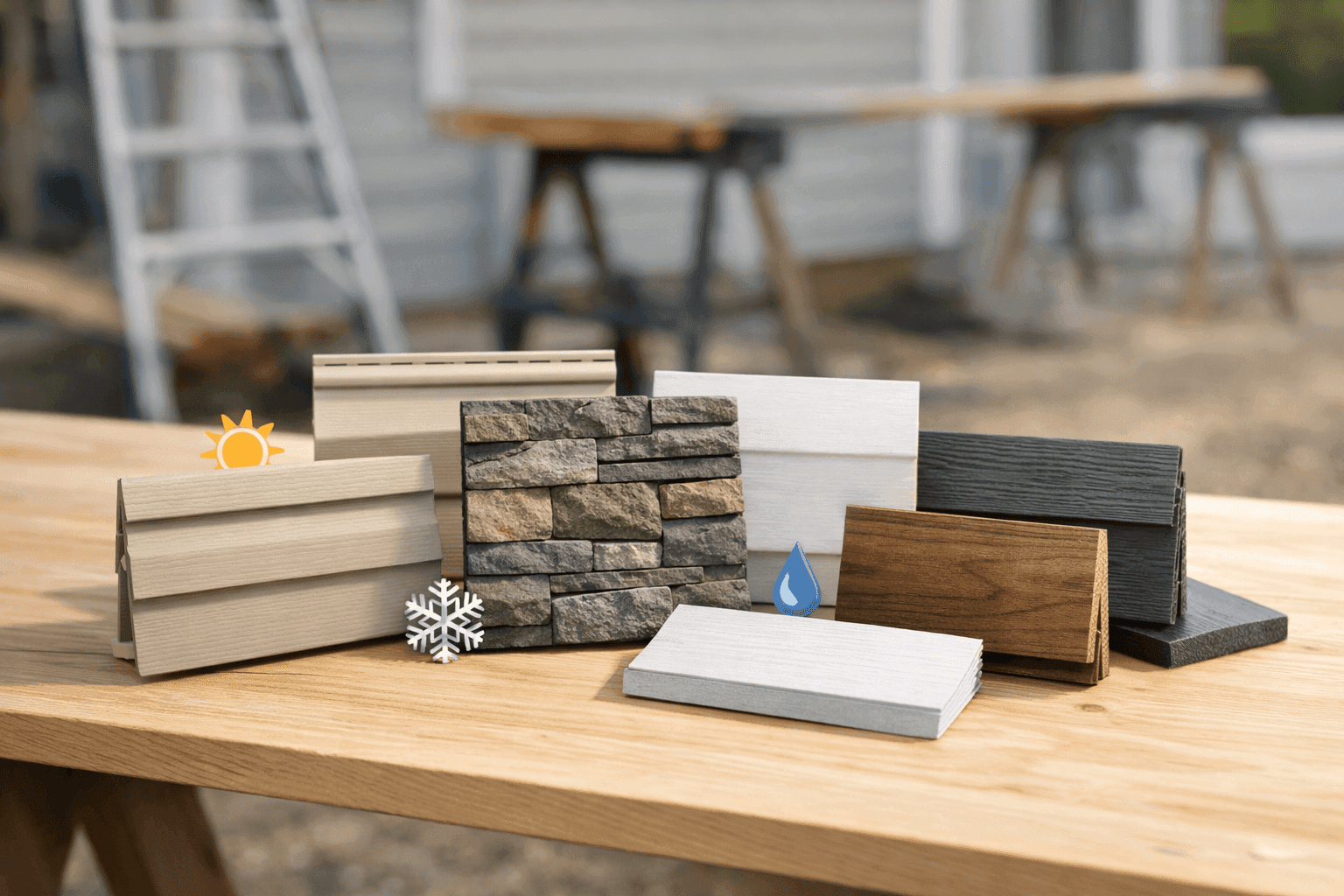
Homes and businesses stand as the first line of defense against the elements. That means your siding isn’t just about curb appeal—it’s your shield, your insulation, and your peace of mind. But not all siding is up for the same fight.
At POM Siding, we’ve seen siding stand strong through summer scorchers, icy winters, relentless rain, and gusty winds. We’ve also seen the aftermath when the wrong material was chosen. Let’s cut through the noise and give you the clear, practical guide you need to make the right choice.
Siding Challenges by Climate 🌦️
Every climate tells a different story about what your exterior endures. Siding in the desert cracks and fades. In the north, it battles freeze-thaw cycles that can turn small gaps into big problems. Humid southern air invites mold, while coastal storms fling salty winds at your property’s face.
Here’s what siding faces across climates:
- Hot, Dry Regions: UV rays bleach colors. Heat causes warping and brittleness.
- Cold, Snowy Areas: Freeze-thaw cycles push water into cracks. Sudden thaws can mean leaks.
- Wet, Rainy Zones: Constant moisture tests seams, paint, and flashings. Mold and mildew love lingering damp.
- Windy Plains & Coasts: Siding panels take a beating. Loose boards and ripped trim aren’t just unsightly—they’re a risk.
If you’re not sure what your climate throws at you, consider the worst stretch of weather you’ve seen in the last five years. That’s the test your siding must pass.
Material Performance in Hot, Cold, Wet, and Windy Areas
No siding is perfect everywhere. Think of each material as an athlete: some sprint in the sun, others power through blizzards, and a few stand firm against storms.
Vinyl Siding
- Hot: Can fade or warp in intense sun.
- Cold: May crack if struck when brittle.
- Wet: Mold-resistant, but only if properly installed.
- Wind: Rated varieties withstand gusts, but cheap panels may peel.
Fiber Cement Siding
- Hot: Holds color well. Doesn’t warp.
- Cold: Handles freeze-thaw cycles better than wood.
- Wet: Resists rot, swelling, and insects. Low water absorption.
- Wind: Heavy and solid. Storms rarely rattle it.
Curious about fiber cement? See our Fiber Cement Siding Installation page for the details.
Wood Siding
- Hot: Needs regular paint or stain to prevent fading.
- Cold: Prone to expanding/contracting; caulking is critical.
- Wet: Vulnerable to rot and insects without diligent care.
- Wind: Boards can lift if not nailed securely.
Metal Siding
- Hot: Reflects sunlight, reducing cooling needs.
- Cold: Can transmit noise and lose heat fast without insulation.
- Wet: Doesn’t rot, but may rust if not coated or if scratched.
- Wind: Tough against impact but panels must be fastened tight.
Stucco
- Hot: Stays cool and resists UV.
- Cold: Can crack if installed without proper expansion joints.
- Wet: Needs a drainage plane to prevent water damage.
- Wind: Performs well, but flying debris may chip the surface.
Eco-Friendly Siding Options
Looking for green materials? Modern eco-siding includes recycled metal, sustainably harvested wood, and fiber cement made with less energy. Ask about Eco-Friendly Siding Options during your consultation.
Choosing the Right Siding for Your Needs
There’s no one-size-fits-all answer. The ideal siding depends on your environment, budget, and the look you want.
Consider:
- Local climate: What’s your biggest weather threat?
- Building codes: Some areas have siding requirements for fire or wind.
- Aesthetics: Do you want classic warmth, sleek modern lines, or low-key durability?
- Maintenance: How much time (and money) can you invest each year?
- Energy efficiency: Insulated siding can help cut utility bills.
- Longevity and warranty: Some materials last decades, others need more frequent attention.
If you’re unsure, our Siding Material Consultation service walks you through every option—factoring in climate, budget, and style.
Maintenance by Climate 🛠️
Great siding starts with material, but it lasts because of care. Maintenance routines shift with the seasons and with your local weather.
Hot/Dry Climates
- Inspect for fading, chalking, or warping every spring.
- Repaint or re-stain wood more often to block UV damage.
- Check caulking and flashing—heat makes gaps grow.
Cold/Snowy Climates
- After winter, check for cracks or gaps from freeze-thaw cycles.
- Clear snow off lower siding to prevent moisture buildup.
- Keep gutters clear so ice dams don’t back up under panels.
Wet/Humid Climates
- Watch for mold and mildew, especially on shaded sides.
- Inspect caulking and joints for leaks after heavy storms.
- Clean siding annually with gentle soap and water.
Windy/Storm-Prone Areas
- Inspect fasteners and edges twice a year.
- Replace loose trim and flashing before the next storm.
- Keep trees and branches trimmed back.
Siding Safety Checklist
- Check your siding after every major storm, even if there’s no visible damage.
- Look for loose panels, missing nails, or swelling.
- Make sure soffit and fascia are tight—these protect your roofline.
- Clear debris from gutters and downspouts regularly.
DIY vs. Call a Pro
Some tasks are DIY-friendly, like washing siding or touching up paint. But full replacement, flashing repairs, or storm damage? That’s a job for certified pros.
A professional knows what lies beneath the surface. Sometimes, what looks like a minor crack is a warning sign of rot or hidden leaks. Let trained eyes spot what others miss.
What Pros Do On Arrival
When POM Siding arrives, we don’t just glance at your panels. We:
- Inspect every seam, joint, and flashing.
- Check for signs of rot, infestation, or water damage.
- Use code-compliant materials and methods, referencing International Residential Code (IRC) and your local guidelines.
- Offer solutions tailored to your property’s age, structure, and climate.
Prevention & Ongoing Maintenance
A little effort now saves a lot of money later. Here’s what you can do:
- Schedule annual siding inspections.
- Clean siding and gutters each spring and fall.
- Trim back trees and shrubs.
- Re-caulk joints as needed.
- Address small repairs quickly—don’t let them grow.
Costs & Time Factors
Material choice shapes both your upfront investment and your long-term costs. For example:
- Vinyl: Lower initial cost, moderate lifespan.
- Fiber cement: Midrange cost, high durability.
- Wood: Higher maintenance, classic look, variable cost.
- Metal: Higher up front, but low upkeep.
Labor costs vary by complexity and height. Replacing trim or flashing is faster than full panel replacement. Ask for a detailed written estimate before work begins.
When Siding Issues Become an Emergency
Some problems demand immediate action:
- Siding torn off by wind, exposing sheathing or insulation.
- Water pouring behind panels or into walls.
- Large sections bulging, bowing, or falling.
Quick repairs prevent interior water damage, mold, and safety hazards. If you need emergency siding services, don’t wait—call right away.
Frequently Asked Questions
How often should siding be replaced?
- Most siding lasts 20–40 years, but exposure, material, and care matter.
Can I mix siding types?
- Yes! Many properties blend fiber cement with stone, metal with wood, or stucco with trim.
What’s the most eco-friendly option?
- Look for recycled or sustainably sourced materials, and consider their entire lifecycle impact.
Do I need permits for siding work?
- Often, yes. Check your local building codes before starting major projects.
Common Mistakes to Avoid
- Ignoring small cracks or loose panels.
- Using incompatible caulks or paints.
- Skipping housewrap or flashing in wet climates.
- Neglecting gutter repair—water always finds a way.
Signs of Siding Trouble
Keep your eyes open for:
- Peeling paint or bubbling under the surface.
- Visible mold, mildew, or green streaks.
- Increased energy bills (can mean insulation issues).
- Strange noises during storms (flapping, banging).
If you see these, schedule a siding inspection in Baytown or your local area to stop problems before they spread.
Timeline & Disruption: What to Expect
Most siding jobs take one to two weeks, depending on weather and structure size. Repairs or partial replacements are faster—sometimes a day or two. Expect some noise, moving vehicles, and a few blocked entryways. Good crews keep the site tidy and safe.
Siding for New Construction vs. Renovation
Building new? You have the freedom to pick any style or material. Renovating? It’s about matching existing architecture, local codes, and sometimes, HOA guidelines. Either way, get the right advice early for smooth project flow.
Final Thought: Your Siding, Your Shield
Choosing siding isn’t just about looks. It’s about protection, efficiency, and lasting value. When you pick the right material—and keep it in top shape—you set yourself up for decades of comfort and confidence.
Call POM Siding now — or reach us anytime at 888-870-1065 .