How Siding Affects Your Building’s Insurance
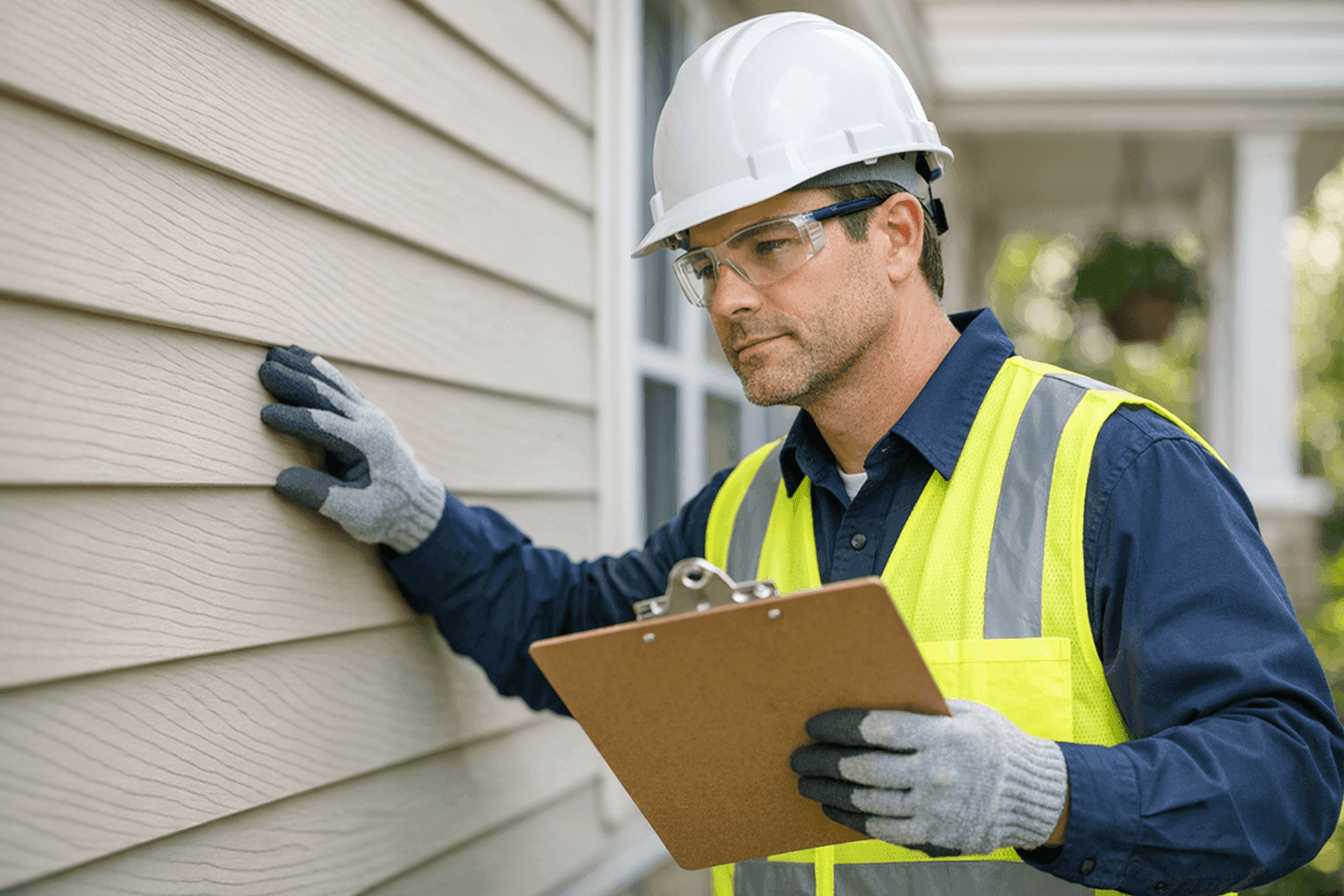
If you’ve ever wondered why your building insurance premiums change—or why claims sometimes get tricky—look no further than your property’s siding. Siding isn’t just a pretty face for your home or business. It’s the armor, the raincoat, and sometimes the Achilles' heel when it comes to how insurers judge risk.
At POM Siding, we’ve helped countless property owners understand how siding impacts insurance, and how smart choices today can save headaches (and cash) down the road. Let’s break down what matters most, so you can make informed siding decisions and keep your investment protected.
What Insurers Look For 🏢
Insurance companies act like detectives when assessing a building. Siding is one of their first clues. Why? Because siding tells a story about age, weather resistance, and even how well the rest of the property is likely maintained.
Here’s what typically lands under the insurance magnifying glass:
- Material: Wood, vinyl, metal, stucco, and fiber cement all have unique risk profiles.
- Condition: Is there visible damage, warping, or rot? Missing trim? Poor caulking? These red flags can raise premiums.
- Professional Installation: DIY jobs may look okay at first, but insurers often want proof of professional work.
- Upkeep: Regular Siding Maintenance and cleaning show insurers you care about prevention.
- Ventilation & Flashing: Proper soffit and fascia, as well as flashing, prevent moisture and mold—issues that insurers hate.
- Local Code Compliance: Siding needs to meet local building codes (see International Residential Code for reference) for insurers to offer full coverage.
If you’re unsure where you stand, a professional Siding Inspection gives you a clear picture—and documentation insurers respect.
How Siding Type Affects Premiums
Think of siding like the tires on your car. Some are built for speed, others for rough terrain. And your insurer will charge based on what you choose.
- Vinyl Siding: Popular for affordability and low maintenance, it holds up well but can melt or crack under extreme heat or impact.
- Fiber Cement: Resistant to fire, pests, and moisture. Often leads to lower premiums for those reasons.
- Metal Siding: Durable against storms, but may dent. Insurance companies appreciate its fire resistance.
- Stucco: Great insulator but can crack if not installed on a stable foundation. Some insurers see it as higher risk in certain climates.
- Wood Siding: Classic look, but vulnerable to fire and rot. Insurers may require more frequent inspections or higher premiums.
- Eco-Friendly Options: Materials like recycled metal or composite blends can sometimes score discounts for sustainability and fire resistance.
Your choice isn’t just about looks—each type signals something different to your insurer about how likely you are to file a claim.
Maintenance and Claims 🧰
Insurance adjusters love a well-maintained exterior. It’s like finding a neatly organized toolbox. Regular siding maintenance can actually save you thousands, not just in repairs, but in lower premiums and less friction during a claim.
- Annual Inspections: Spot trouble early. Water stains, bubbling, or loose panels? Address them now.
- Soffit and Fascia Repair near you: Quick fixes to these often-overlooked details can stop small leaks from causing major rot.
- Gutter Repair and Cleaning: Overflowing gutters damage siding and become a mold magnet.
- Caulking and Sealing: Keep water out, especially before storm season.
- Professional Cleaning: Power washing removes algae and mildew that can degrade siding and raise moisture risks.
If you ever file a claim, adjusters will check for signs of neglect. The better your maintenance record, the smoother the process.
Documentation Best Practices 📋
Imagine having to prove the age or condition of your siding after a storm. Documentation is your shield.
- Take Photos: Before and after any work, especially siding replacement or storm repairs.
- File Receipts: Keep records of all work, including who did it and what materials were used.
- Inspection Reports: A professional siding inspection report is golden during claims.
- Update Annually: Each year, add new photos and any receipts for maintenance or repairs.
- List Materials: Note the manufacturer and type of siding in your files. Some insurers ask for this during renewal.
This paperwork might feel tedious now, but it can mean the difference between a paid claim and a denied one.
Signs of Siding Trouble
Insurers look for risk, and certain siding signs put you on their radar:
- Cracks, Holes, or Warping: Let in water, pests, and can indicate deeper structural issues.
- Peeling Paint or Stains: Often the first sign of moisture behind panels.
- Missing Pieces: Exposes the underlayment and can lead to rapid damage.
- Soft Spots: Press gently—give is a bad sign.
- Funky Smells: Odd odors near siding often mean hidden mold or mildew.
Catching these early—before your insurer does—keeps your property and wallet safer.
When to Call a Pro vs. DIY
Some tasks are safe for a handy property owner: cleaning, simple caulking, or replacing a single piece of trim. But for anything else, especially involving ladders, specialized materials, or extensive repairs, call a professional.
- Pros have proper safety gear and training.
- They know local codes and can ensure your siding won’t cause trouble with insurance or inspectors.
- Professionals spot hidden damage that’s easy to miss.
Trying to DIY a major siding job is like patching a leaky boat with duct tape—it might hold, but it won’t last.
Quick Safety Checklist Before Storms
Insurance adjusters are busiest after wild weather. Prepare your siding and trim ahead of time:
- Inspect for loose panels or trim.
- Clean gutters and downspouts.
- Seal gaps in caulking or joints.
- Trim back trees or shrubs near the building.
- Secure or stow outdoor items that could hit your siding.
A seasonal checklist can mean the difference between a minor fix and a major claim.
Siding and Code Compliance
Local building codes exist for a reason: safety, durability, and risk reduction. Insurers expect your siding to meet or exceed these standards. Failing to comply can mean denied claims or even cancelled policies.
Refer to the International Residential Code or your municipality’s building department for details. At POM Siding, we always build to code, so you’re covered.
Cost Factors That Affect Insurance
It’s not just material and maintenance. Other cost factors include:
- Age of Siding: Older materials may need more frequent replacement or repair.
- Climate Zone: Siding that’s perfect in dry areas may falter in wet or windy regions.
- Insurance Deductible: Some policies require higher deductibles for certain siding types.
- Previous Claims: Multiple claims for siding damage? Expect higher premiums.
Budget-minded property owners should factor long-term insurance costs into their siding choices—not just upfront price.
Timeline & Disruption: What to Expect
Siding replacement or repairs can be noisy and disruptive, but quick action is key after damage. Insurers want to see you’re proactive:
- Simple repairs: 1-2 days for minor fixes.
- Full replacement: 1-2 weeks, depending on size and material.
- Emergency Services: Some issues (like storm damage) require immediate attention—contact us for emergency siding services.
Planning ahead and keeping a clear timeline helps with claims and keeps your property protected.
Materials Matter: Insurance Favorites
Insurance companies favor materials with:
- High fire resistance: Fiber cement, metal, and properly treated wood.
- Resistance to pests and rot: Vinyl, composite, and fiber cement.
- Wind and impact resilience: Metal and certain vinyls rated for storm zones.
Talk to your insurer before making big changes—and consult with a siding pro to match your needs and climate.
Siding for New Construction: Insurance Advantages
Building new? You have the most flexibility. Insurers often offer better rates for:
- Latest materials with fire, impact, and moisture resistance.
- Proper insulation and ventilation installed from the get-go.
- Documented professional installation that exceeds code.
If you’re planning new siding in Weymouth or nearby, check out our new construction siding services in Weymouth for high-value, insurance-friendly options.
Common Siding Mistakes That Cost You
Don’t let simple errors drive up your premiums or cause denied claims:
- Neglecting annual inspections.
- Ignoring small cracks or leaks.
- DIY repairs that don’t meet code.
- Failing to keep records and photos.
- Using outdated or non-compliant materials.
A little prevention goes a long way.
FAQ: Siding and Insurance
Q: Will new siding lower my insurance premium?
A: Often yes, especially if you upgrade to fire- or impact-resistant materials. Always confirm with your insurer.
Q: Does my insurance cover siding maintenance?
A: No—maintenance is your responsibility, but covered damage from storms or accidents is usually included.
Q: How often should I inspect my siding?
A: At least once a year, and after major storms.
Conclusion: Protect Your Property, Protect Your Wallet
Siding isn’t just about curb appeal. It’s central to your property’s safety, value, and how insurers see you. Stay proactive—inspect, maintain, and document everything. The result? Lower premiums, faster claims, and more peace of mind.
Call POM Siding now — or reach us anytime at 888-870-1065 .