The Role of Soffit and Fascia in Home Protection
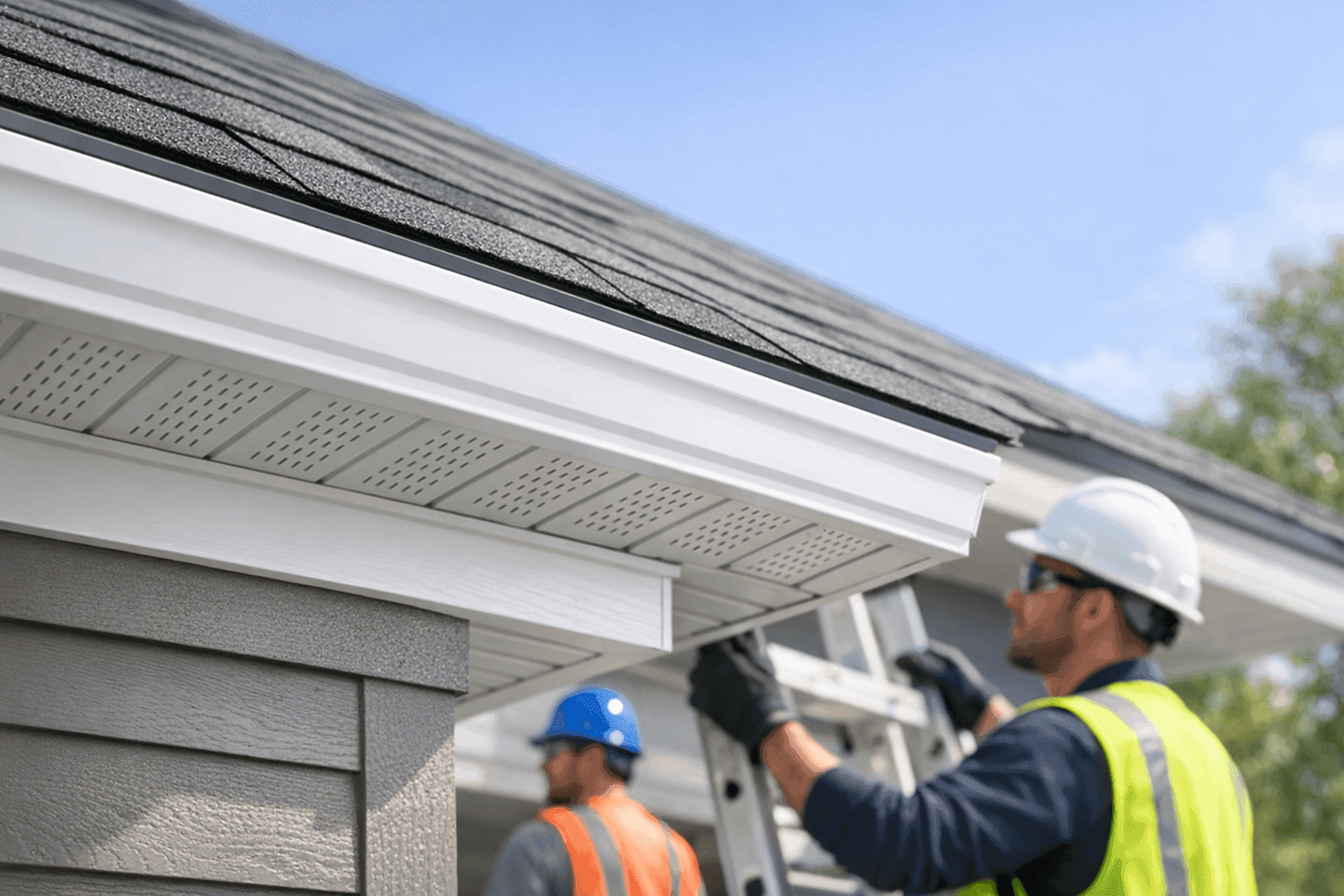
When most people think of siding, they picture the broad, colorful panels that run along a house or business. But the real guardians often work up above—quietly, out of sight. That’s where soffit and fascia step in, standing between your property and the harshest elements.
Ignoring these two components is a bit like leaving the lid off a cookie jar during a rainstorm. Problems sneak in before you know it. At POM Siding, we’ve seen what happens when soffit and fascia are neglected—and how much peace of mind comes from keeping them strong.
What Are Soffit and Fascia? 🏠
Let’s break it down. The soffit is the horizontal surface tucked beneath your roof’s overhang. Think of it as the underbelly that covers the eaves. The fascia is the vertical board running along the edge of your roof—where gutters are usually attached.
Together, they’re the trim and armor for your roofline. They tie the look of your siding together, but their job is about a lot more than curb appeal. They’re crucial defenders against moisture, pests, and weather damage.
How Soffit and Fascia Protect Your Home
These aren’t just decorative details. Soffit and fascia have jobs as important as any lock on your door.
- Moisture Control: Soffits are often vented, allowing air to flow into your attic and push out dampness. Without this, moisture can build up and rot wood, warp insulation, and invite mold.
- Pest Defense: Solid soffits and tight fascia boards block birds, squirrels, and insects from sneaking into your roof structure.
- Weather Barrier: Fascia supports the bottom row of roof tiles and is the first line of defense against wind-driven rain. It also anchors the gutters that channel water safely away from your foundation.
- Ventilation: Properly vented soffits keep attic temperatures in check. This prevents ice dams in winter (for colder climates) and reduces cooling costs in summer.
Think of soffit and fascia as the silent bodyguards for your home’s most vulnerable edge.
Signs Your Soffit or Fascia May Be Failing ⚠️
A failing soffit or fascia doesn’t always shout for attention. Sometimes, the clues are subtle:
- Peeling paint or discoloration
- Soft or sagging sections
- Visible holes or cracks
- Water stains on interior ceilings or walls
- Pest or bird nests near the eaves
- Gutter sections pulling away
Notice any of these? It’s time to act. Early repairs save big headaches down the road.
Why Timely Repair Matters
Letting soffit or fascia issues linger is like ignoring a leaky pipe. Small problems become big, expensive ones. Even minor damage lets in water and critters, risking rot and costly repairs.
For homeowners and commercial property managers alike, regular soffit and fascia inspection is your best insurance. That’s why “Soffit and Fascia Repair near you” is a smart search to keep on hand—especially after storms or heavy weather events.
Common Mistakes Property Owners Make
- Painting over rotted wood: This only traps moisture. The damage continues underneath.
- Ignoring ventilation: Sealing up all vents can cause attic heat and humidity to spike.
- DIY patches with the wrong material: Using non-matching or non-weatherproof materials leads to faster failure.
Professional repair or installation ensures every seam and joint is sealed right, preserving your siding’s lifespan.
The Role of Siding Flashing in the System
Siding flashing is another unsung hero. It’s the thin metal or vinyl installed where your roof, soffit, fascia, and siding meet. Flashing directs water away from seams and joints, preventing leaks and rot.
If your soffit, fascia, or flashing is damaged, the whole system is at risk. Siding flashing repair often goes hand-in-hand with soffit and fascia work for a reason.
Maintenance Checklist: Keeping Soffit and Fascia in Top Shape
Just a few steps, done seasonally, keep trouble at bay:
- Clean gutters: Clogged gutters overflow, soaking the fascia.
- Inspect for pests: Look for nests or chew marks.
- Check paint and finishes: Touch up any peeling areas.
- Look for sagging or soft spots: These point to hidden rot.
- Clear attic vents: Obstructions block airflow and trap moisture.
Twice a year—especially after heavy storms—walk your property and check these areas. And if you’re not sure, ask for a siding inspection.
DIY vs. Professional Help: What’s Right for You?
Some tasks are safe for handy homeowners: cleaning gutters or touching up paint. But if you spot wood rot, structural sagging, or suspect mold, call a pro. It’s not just about looks—roofline repairs often require ladders, safety harnesses, and know-how to avoid bigger issues.
POM Siding’s crews are trained to spot hidden damage and recommend solutions, whether it’s a simple patch or a full replacement. For “soffit and fascia repair near you,” professional eyes and hands can save money and stress.
What Happens When We Arrive
Our approach is simple: inspect, explain, and act. Here’s how it works:
- Inspection: We check for visible and hidden issues, including flashing and nearby siding.
- Consultation: You get clear answers, not jargon.
- Repair or Replacement: We use quality materials to match your existing siding and roofline.
- Final Check: We test ventilation and weatherproofing according to building codes (see: International Residential Code Section R806 for attic ventilation standards).
You’re left with a stronger, safer home.
Materials: Making the Right Choice
Soffit and fascia come in wood, aluminum, vinyl, and fiber cement. Each has pros and cons:
- Wood: Classic look but needs regular painting and sealing.
- Aluminum: Rust-resistant, lightweight, and durable.
- Vinyl: Low maintenance, resists rot and insects.
- Fiber Cement: Fire-resistant, stands up to harsh weather.
Our soffit and fascia installation team helps you choose what fits your property, budget, and climate.
When Is It an Emergency?
Immediate action is needed if you see:
- Water leaking inside after a storm
- Large sections of soffit or fascia falling off
- Signs of animals entering your attic
Don’t wait. Emergency siding services are meant for these moments.
How Much Does it Cost? What About Disruption?
Prices vary based on materials, extent of damage, and accessibility. Minor repairs can be done quickly. Full replacements take longer, especially on larger buildings.
Good news: most work can be done with minimal disruption to your daily life. We keep you informed every step of the way.
Seasonal Tips: Protecting Your Investment Year-Round 🍂
- Spring/Fall: Clean gutters, check for winter or summer storm damage.
- Winter: Watch for ice dams forming at the roof edge.
- Summer: Check attic ventilation to keep cooling costs down.
Routine checks keep your siding and roofline secure, season after season.
FAQs About Soffit and Fascia
Q: Do I really need vented soffit?
A: In almost every climate, yes. Proper ventilation keeps your attic dry and cool.
Q: How often should I inspect?
A: Twice a year, or after any major storm.
Q: Can I match new soffit and fascia to existing siding colors?
A: Absolutely. Our color consultation service ensures a seamless look.
Q: Are there eco-friendly options?
A: Yes, we offer materials with recycled content and energy-saving benefits.
The Big Picture: Why Soffit and Fascia Matter
Soffit and fascia are more than finishing touches—they’re foundational to your property’s protection. Skipping routine care is like leaving your front door open during a storm. With a little attention, these components will quietly do their job for decades.
For those searching for siding solutions, keep in mind that soffit and fascia are part of the whole system. If you’re curious about options, or you need reliable siding services in your area, see our Las Vegas siding experts for guidance and peace of mind.
Call POM Siding now — or reach us anytime at 888-870-1065 .