Residential vs. Commercial Siding: Key Differences
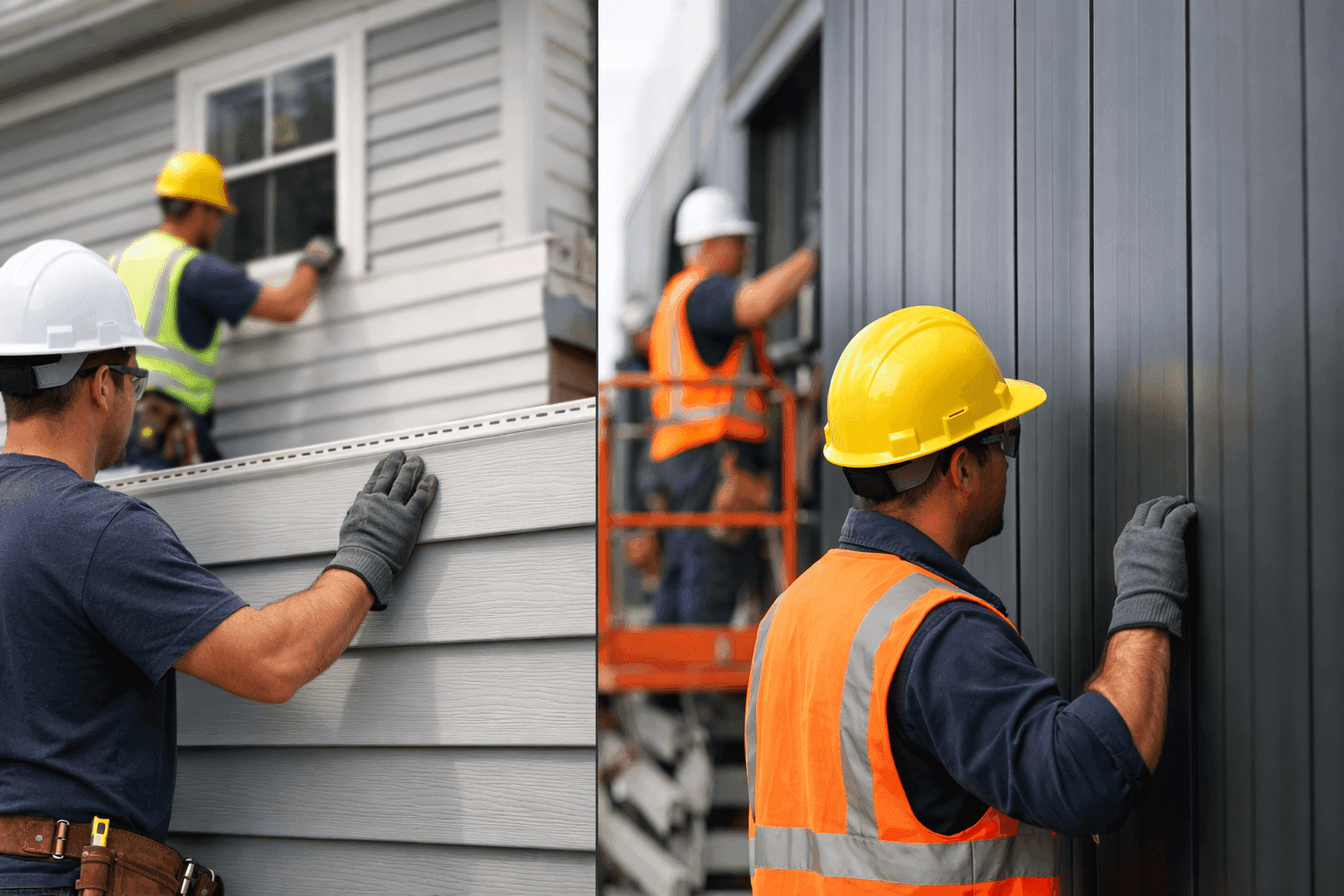
When you look at a home and a business side by side, the siding tells two very different stories. Each structure faces its own battles—weather, wear, and the expectations of the people inside. Knowing the difference is key to making smart, lasting choices.
At POM Siding, we work with homeowners and business owners every day. Our team has handled everything from simple Soffit and Fascia Repair near you to complex, custom siding solutions for large commercial properties. Let’s break down what truly sets residential and commercial siding apart—and how you can use that knowledge to protect your investment.
Siding Needs for Homes vs. Businesses 🏠🏢
The siding on your home isn’t just a coat of paint—it’s your shield against rain, wind, snow, and sun. For commercial buildings, siding must do even more. It needs to look professional, meet strict codes, and handle higher traffic and potential abuse.
- Residential Siding: Protects your family, adds curb appeal, and must match the neighborhood vibe. There’s often more focus on style, color, and personal taste.
- Commercial Siding: Prioritizes function and compliance. Commercial buildings face stricter safety and fire regulations (see the International Building Code for commercial cladding requirements). Durability and low maintenance matter most.
No matter the size, both deserve attention. But what works for your home might not survive the demands of a busy storefront or office park.
Material and Durability Differences
Think of residential siding as a cozy jacket, tailored for comfort and looks. Commercial siding is more like a work uniform: tough, practical, and built for long days.
Common Residential Siding Materials:
- Vinyl (affordable, low-maintenance)
- Wood (classic appeal, requires upkeep)
- Fiber Cement (resistant to pests and fire)
- Stucco (great for certain climates)
Common Commercial Siding Materials:
- Metal panels (steel or aluminum, extremely durable)
- Fiber cement (for fire resistance and longevity)
- EIFS (Exterior Insulation and Finish Systems, energy efficient)
- Specialty cladding (for unique branding or architectural impact)
Commercial projects often require heavier-duty materials and finishes—think thicker metal, advanced coatings, and extra layers for fire and weatherproofing.
Installation and Maintenance
Installing siding on a house can be like putting together a puzzle. For a business, it’s more like building a fortress.
Installation Differences
- Homes: Typically smaller square footage, less scaffolding, fewer code requirements. Home projects can sometimes be DIY, but professional installation ensures warranties and code compliance.
- Businesses: Larger surfaces, more complex shapes, and strict timelines. Installers must follow OSHA safety guidelines, manage traffic, and sometimes work at great heights.
Maintenance Tips
- Residential: Regularly check for cracks, peeling paint, or mold. Clean annually, especially after storms. Repaint or reseal wood as needed.
- Commercial: Schedule routine inspections. Address dents, fading, or water intrusion fast—especially around high-traffic areas. Plan for professional cleanings to maintain appearance and meet lease or insurance requirements.
For both, prevention is better (and cheaper) than repair. Don’t ignore early warning signs.
Cost and ROI
Let’s talk numbers. Siding is an investment, not just an expense.
Residential Costs
- Lower up-front costs for materials like vinyl or wood.
- Installation is quicker and less labor-intensive.
- ROI comes from increased home value, curb appeal, and energy efficiency.
Commercial Costs
- Higher initial investment due to material choice and scale.
- Labor costs rise with safety requirements and project complexity.
- ROI is measured in long-term durability, energy savings, and lower maintenance costs. Plus, the right siding can attract tenants or customers.
Pro tip: For both homes and businesses, energy-efficient siding and insulation can save money over time. Look for ENERGY STAR certified products where possible.
Quick Safety Checklist
Before tackling siding—especially for commercial jobs—run through this list:
- Confirm permits and code requirements (city or county building department)
- Ensure proper safety gear: gloves, goggles, harnesses for heights
- Check for electrical hazards near installation areas
- Never work alone on large or high projects
- For businesses: Schedule work to minimize disruption to staff and customers
DIY vs. Call a Pro
Some homeowners love the satisfaction of a weekend project. But siding—especially anything beyond a small repair—can get tricky fast.
- DIY: Good for minor caulking, cleaning, or painting.
- Call a Pro: Necessary for full replacements, commercial projects, or anything involving metal, stucco, or fiber cement. Pros know how to deal with hidden water damage, insulation, and code compliance. They also have the right tools for the job.
What Pros Do On Arrival
Here’s what you can expect when a siding technician from POM Siding arrives:
- Full inspection of current siding and underlying structure
- Discussion of goals, style preferences, and budget
- Material recommendations based on climate and building type
- Proposal including timeline, materials, and any code considerations
- Clear communication throughout the project—no surprises
Prevention & Maintenance
A little care goes a long way.
- Wash siding once a year (more often for businesses in high-traffic zones)
- Inspect after storms for loose panels, dents, or leaks
- Touch up paint or sealant as soon as you notice peeling or cracking
- Trim trees and shrubs to avoid scratching or moisture buildup
Costs & Time Factors
- Residential: Most homes can be resided in a week or less. Smaller crews, less disruption.
- Commercial: Larger projects may take weeks. Scheduling around business hours and safety protocols can add time.
When It’s an Emergency
Storms, vandalism, or sudden leaks? Don’t wait. Emergency siding services are available for both homes and businesses. Fast action prevents further damage and can save money in the long run.
Seasonal Considerations
Siding behaves differently as temperatures change.
- Winter: Materials can become brittle; installation may be slower.
- Summer: Adhesives cure faster, but extreme heat can affect certain products.
- Plan projects for spring or fall when possible for best results.
Common Mistakes
- Choosing the wrong material for the climate or building type
- Ignoring small problems until they become expensive headaches
- Skipping permits or code checks (especially for commercial jobs)
- Underestimating the importance of flashing, caulking, and ventilation
Signs of Trouble
Watch for these red flags:
- Warping, buckling, or loose panels
- Stains or streaks running down walls
- Drafts or water stains inside the building
- Faded, chalky, or peeling finishes
Spot issues early? Reach out for a siding material consultation to explore your options.
Timeline & Disruption
- Homes: Work is usually less disruptive—crews can often work while you’re at your job or handling your daily routine.
- Businesses: Plan for some noise and limited access. Good communication with your siding contractor minimizes surprises.
Materials & Equipment
Pros use specialized cutting tools, safety harnesses, and commercial-grade fasteners for a reason. The right equipment makes all the difference in quality and safety.
Siding for New Construction
Building from scratch? Material choice and installation method should be part of your architectural plans from day one. Don’t forget soffit and fascia details, moisture barriers, and insulation.
Siding Inspections Matter
Even new siding needs a checkup. Schedule a residential siding inspection at least once every few years—or after severe weather—to catch issues early.
Local Siding Expertise Matters
Whether you need Soffit and Fascia Repair near you, or want the best commercial siding for your business, choosing a knowledgeable team is essential. For homeowners and businesses seeking reliable siding solutions in the area, see our service options for Eden Prairie siding.
Call POM Siding now — or reach us anytime at 888-870-1065 .