Residential Siding: Solutions for Every Home Style
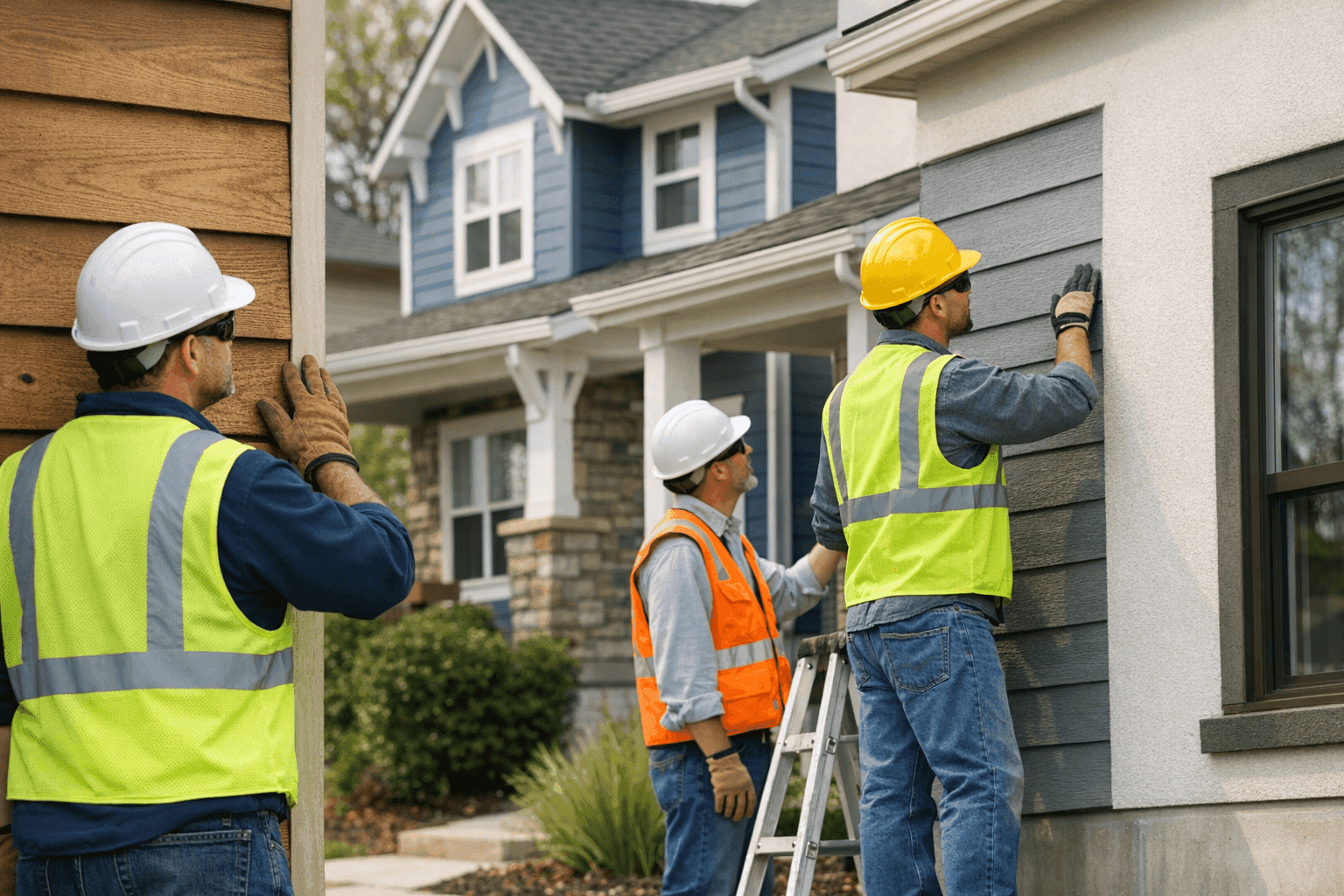
Is your home’s exterior sending the right message? Siding isn’t just armor against the elements—it’s the face your house shows to the world. Whether you dream of classic charm or crisp, modern lines, the right siding will bring your vision to life—and keep your home protected for years.
At POM Siding, we know every home is unique. That’s why we tailor every project, guiding you through choices that fit your style, budget, and needs. Ready to see what’s possible?
Siding Styles for Every Home
No two houses are exactly alike. Like choosing the perfect outfit for an event, siding should match your home’s personality and function. Here’s how popular styles fit different houses:
- Traditional Homes: Think Colonial, Victorian, or Craftsman. Lap siding, shingles, or wood boards highlight classic features. Vinyl and fiber cement deliver timeless looks with lower maintenance.
- Modern Homes: Clean lines and bold contrasts define contemporary exteriors. Metal siding or large-format panels create sleek, minimalist surfaces.
- Unique & Custom Designs: Love to stand out? Mixed materials—like combining stucco with wood accents—add visual interest. Board-and-batten or custom trim installation can transform even the simplest façade.
Style isn’t just about looks. It’s about how your home feels, too. A cozy bungalow might call for warm textures, while a mid-century ranch may shine with a smooth, painted finish. 🏡
Material and Color Considerations
Picking siding isn’t just about what looks good. The right material and color make a world of difference in durability, comfort, and curb appeal.
Popular Siding Materials:
- Vinyl: Affordable and low-maintenance. Available in countless colors and profiles.
- Fiber Cement: Looks like wood, resists fire and pests. Great for all climates.
- Wood: Natural beauty, but needs regular care. Cedar and redwood are favorites.
- Stucco: Perfect for Mediterranean or Southwestern homes. Offers excellent insulation.
- Metal: Modern, durable, and eco-friendly. Resists fading and fire.
Color Tips:
- Light colors make small homes look bigger and reflect heat—a smart choice for sunny spots.
- Dark shades add drama and sophistication but may absorb more heat.
- Accent colors for trim and molding bring out architectural details.
Not sure what fits your home? Our siding material consultation helps you weigh the pros and cons, factoring in weather, sun exposure, and your neighborhood’s character.
Matching Siding to Architecture
Your house has a story. Let siding be the narrator.
- Colonial & Traditional: Lap siding or shakes in soft whites, grays, or blues accentuate symmetry and classic lines.
- Modern & Contemporary: Go bold with vertical panels, metal, or smooth stucco. Charcoal, steel, or crisp white look stunning.
- Cottages & Bungalows: Wood or fiber cement in warm, earthy tones pairs beautifully with stone or brick accents.
Don’t forget the details. Soffit and fascia installation tie everything together, keeping rooflines crisp and protected.
Residential Installation Tips 🛠️
Installing new siding is a major project, but careful planning keeps things on track. Here’s what to expect:
- Inspection First: Check for rot, mold, or damage lurking beneath old siding. This step is crucial for a long-lasting finish.
- Prep and Protection: Clear the area, trim trees and shrubs, and cover windows.
- Professional Installation: Experienced crews ensure every panel is straight, sealed, and weatherproof.
- Soffit, Fascia, and Trim: These features protect your roof and finish the look.
- Final Walkthrough: Make sure every detail matches your vision before calling it complete.
Refer to local building codes (International Residential Code) for safety and compliance. If you’re not sure, ask—installers should always follow regulations.
Preventing Problems Before They Start
Siding is more than just a pretty face. It’s your home’s raincoat, windbreaker, and sunhat all rolled into one. Regular maintenance keeps it doing its job:
- Wash siding once or twice a year.
- Inspect for cracks, warping, or loose panels.
- Schedule soffit and fascia repair near you if you spot sagging or rot.
- Re-caulk seams and flashing as needed.
A little attention goes a long way—think of it like an annual checkup for your home.
DIY or Call a Pro?
Some homeowners are handy and eager to tackle siding repairs. But installation is more than just hammer and nails. It’s about precision—measuring, cutting, sealing, and making sure flashing is watertight. Mistakes can lead to leaks or void warranties.
Professional installers bring years of experience and the right tools. For challenging jobs—multi-story homes, custom trims, or storm damage repair—calling in a crew is your best bet.
What Happens When Pros Arrive
Expect a step-by-step approach:
- Detailed inspection and measurements
- Material delivery and staging
- Safe removal of old siding (and responsible disposal)
- Careful installation with weatherproofing and insulation
- Finishing touches—trim, soffit, and gutter repair if needed
Crew members should maintain a tidy site and answer your questions throughout the process.
Costs, Timeframes, and What to Expect
Budgeting for siding is like planning a kitchen remodel—costs vary by size, materials, and details. Fiber cement and wood often cost more than vinyl, but may add long-term value.
- Time: Most residential jobs take 1–2 weeks (weather permitting).
- Disruption: Expect some noise and outdoor access needs, but reputable crews minimize mess and disruption.
- Permits: Check local requirements and HOA rules.
A quality job pays off with energy savings, higher resale value, and fewer headaches down the road.
When It’s an Emergency
Severe storms, hail, or falling branches can punch holes in your siding—literally. If water is getting in, don’t wait. Emergency siding services patch damage fast, protecting your home from further trouble.
Look for warning signs: water stains, peeling paint indoors, or visible gaps. Don’t let small issues become expensive repairs.
Common Siding Mistakes (and How to Dodge Them)
- Skipping the inspection phase—hidden damage can haunt you later.
- Ignoring ventilation—without it, moisture builds up inside your walls.
- Choosing style over substance—some trendy materials don’t suit your climate.
- Forgetting about color fade—ask about UV-resistant options.
Our siding color consultation can help you avoid mismatches or regrets.
Seasonal and Regional Factors
Climate matters. In humid regions, fiber cement or vinyl resists mold. In windy areas, metal siding stands up to gusts and debris. For blazing sun, lighter colors and UV protection extend your investment.
If you’re searching for dependable siding installation in Missouri and the O'Fallon area, see how POM Siding delivers reliable solutions for every home style on our O'Fallon siding services page.
Signs It’s Time to Replace or Repair
Don’t ignore these red flags:
- Warped, loose, or cracked panels
- Mold, mildew, or water stains
- Soffit or fascia wood rot
- Rising energy bills (poor insulation is often the culprit)
- Faded, peeling, or patchy paint
Spot something off? Early action can mean a simple repair instead of a full replacement.
Maintenance Moves for Lasting Siding
Keep siding in top shape with this easy checklist:
- Clean gently with a hose and soft brush
- Clear gutters and downspouts
- Check caulking and flashing every spring
- Book a professional siding inspection yearly
A little care now saves money later—and keeps your home looking sharp.
Siding for New Construction vs. Replacement
Building new? The sky’s the limit for materials and styles. Replacement jobs, meanwhile, may require matching existing siding or updating to something better suited for today’s standards.
Either way, a thoughtful approach means better results—and a home you’ll love coming back to.
Siding and Energy Efficiency
Insulation isn’t just for attics. The right siding system, paired with proper underlayment, can slash heating and cooling costs. Look for energy-smart products and ask about insulation installation options.
FAQs: What Homeowners Ask Most
Q: How long will new siding last?
A: It depends on the material. Vinyl or fiber cement can last 30+ years with regular care. Wood may need more attention, but brings classic beauty.
Q: Can I change my siding color later?
A: Yes, many products can be painted or replaced. Always use high-quality, exterior-rated paints.
Q: Is eco-friendly siding worth it?
A: For many, yes. Options like recycled metal or sustainably harvested wood reduce environmental impact and often offer excellent durability.
Ready to Transform Your Home?
Choosing new siding is a big decision—but it doesn’t have to be overwhelming. With the right team and a clear plan, you can boost your home’s beauty, comfort, and value.
Call POM Siding now — or reach us anytime at 888-870-1065 .