How to Remove Stains from Any Siding Type
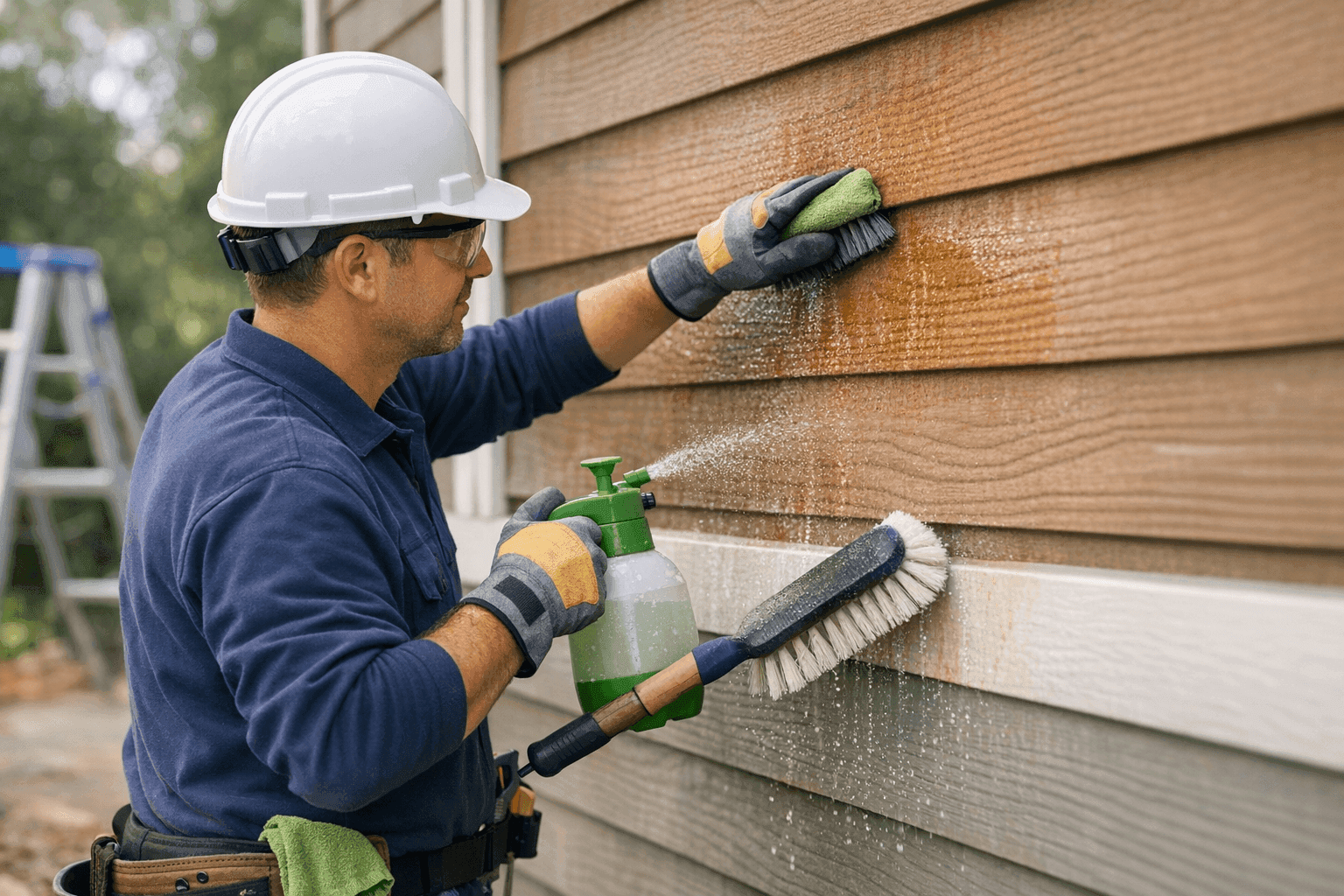
Does your siding look dingy, streaked, or spotted—no matter how much you try to ignore it? Stains don’t just hurt curb appeal. Left alone, they can signal bigger problems and even shorten the life of your siding. At POM Siding, we’ve seen it all, from mysterious green streaks to stubborn rust marks.
If you want your home or business to project pride and stay protected, keeping siding clean is not optional. Let’s break down what causes those stains, how to remove them safely, and when it’s time to call in the pros.
Common Siding Stains and Causes 🧽
Every stain tells a story. Some are harmless, while others hint at hidden trouble. Here’s a quick rundown:
- Mold & Mildew: These dark, fuzzy patches love damp, shaded areas. They feed on organic debris, especially on north-facing walls.
- Algae: Green or black streaks often show up on vinyl and painted wood, thriving in humid spots.
- Rust: Orange-red stains usually come from metal fixtures or nails that aren’t corrosion-resistant.
- Dirt & Pollution: Dust, pollen, and air pollution settle as gray or brown smudges, especially near busy roads.
- Bird Droppings & Insect Debris: Acidic and unsightly, these can stain quickly and may even damage certain materials.
- Tree Sap & Tannins: Dripping sap or falling leaves can cause sticky, brown marks, especially on wood or lighter siding.
- Water Stains: Leaky gutters or downspouts cause streaks and encourage mold.
If you spot unusual stains that keep coming back, it might be time for a siding inspection.
Safe Cleaning Methods by Material
Every siding type is unique—like shoes for different sports, you don’t want to use the wrong cleaner and ruin your investment. Here’s how to handle common stains, siding by siding:
Vinyl Siding
- Supplies: Soft brush, garden hose, mild soap (like dish detergent).
- Steps:
- Rinse loose dirt with a hose.
- Mix a bucket of warm water with a few drops of dish soap.
- Gently scrub stains with the brush, working from bottom up to avoid streaks.
- Rinse thoroughly.
- Tough Stains: For mildew, add a cup of white vinegar to your cleaning solution.
Fiber Cement Siding
- Supplies: Non-abrasive sponge, mild detergent, hose.
- Steps:
- Avoid pressure washers—too much force can damage the surface.
- Wash gently in small sections.
- Rinse well to prevent residue.
- Tip: Check manufacturer guidelines (like James Hardie’s) for specific cleaners.
Wood Siding
- Supplies: Oxygen bleach, soft brush, water.
- Steps:
- Mix according to label—never use chlorine bleach (it can strip wood oils).
- Gently scrub with the grain.
- Rinse thoroughly and let dry.
- Warning: Watch for rot or peeling paint. If you see it, call for siding maintenance.
Metal Siding
- Supplies: Mild soap, water, soft cloth.
- Steps:
- Avoid anything abrasive—scratches can lead to rust.
- Never use strong solvents or ammonia.
- Rinse immediately after washing.
Stucco Siding
- Supplies: Soft-bristle brush, mild detergent, hose.
- Steps:
- Lightly scrub stains in a circular motion.
- Rinse without blasting water directly at seams.
- Caution: Cracks or holes need pro repair before washing.
Quick Safety Checklist Before You Start 🦺
- Wear gloves and eye protection, especially when using any cleaner.
- Don’t use ladders alone—have a spotter.
- Test cleaner on a hidden area first.
- Keep kids and pets away from work zones.
- Always follow the siding manufacturer’s care instructions.
When to Call a Professional
Sometimes DIY just won’t cut it. Call a pro if:
- Stains keep coming back, especially after cleaning.
- You spot cracks, warping, rot, or loose panels.
- There’s mold or mildew spreading inside the home.
- High areas are hard to reach safely.
- You’re unsure about your siding’s finish or material.
Professionals from POM Siding bring specialized tools, knowledge of code requirements (like those from the International Building Code), and safe cleaning agents. We can spot early warning signs of bigger issues—sometimes before they become costly repairs.
Preventing Future Stains
Think of siding like your car. Regular washing and quick attention go a long way. Here’s how to keep stains from returning:
- Trim Trees and Bushes: Keep plants at least 12 inches from the siding to reduce sap, debris, and shade.
- Clean Gutters Regularly: Overflow leads to water stains and mold.
- Inspect and Repair Flashing: Sealed flashing stops leaks at corners and joints.
- Schedule Annual Siding Inspections: Early intervention prevents small troubles from growing.
- Use Proper Ventilation: Good airflow behind soffits and fascia reduces moisture.
- Rinse After Storms: After heavy pollen or storms, hose down siding before stains set.
For more detailed, location-specific advice, check out our siding services in Meridian for residential and commercial needs.
DIY vs. Pro Cleaning: What’s Best for Your Siding?
You can handle basic stains with elbow grease and the right cleaner. But if your siding is older, fragile, or if you see deep, persistent staining, it’s time for a pro. Think of it like changing your own oil versus needing a mechanic for engine trouble.
What to Expect When a Pro Arrives
- Inspection: We check for underlying damage, water intrusion, or hidden mold.
- Material-Matched Cleaning: Proper solutions for each siding type.
- Spot Repairs: Minor caulking, trim fixes, or soffit and fascia repair near you, where needed.
- Safety: Harnesses, ladders, and professional-grade equipment keep everyone safe.
- Final Rinse & Walkthrough: Ensuring your siding looks as clean as possible and no details are missed.
Costs & Time Factors
Cleaning costs depend on material, stain type, and accessibility. Most basic cleanings take a few hours. Deep stains, multi-story buildings, or storm damage may take longer. Remember, regular cleaning and siding maintenance is often less expensive than major repairs down the road.
When It’s an Emergency
Call immediately if:
- You see rapid spread of black or green stains inside or out.
- There’s visible rot, soft spots, or siding pulling away.
- Heavy storm damage leaves stains, dents, or water intrusion.
Acting quickly can save you from much bigger headaches (and bills).
Seasonal Considerations
- Spring: Pollen and tree debris collect fast. Wash early to avoid setting stains.
- Summer: Heat dries stains quickly; clean in cooler evening hours.
- Fall: Leaves drop tannins and organic stains. Rinse after raking.
- Winter: Avoid cleaning in freezing temps—water can seep into cracks and freeze.
Common Mistakes to Avoid
- Using pressure washers on soft or old siding (can cause damage).
- Mixing chemicals (dangerous and ineffective).
- Neglecting safety gear or working alone on ladders.
- Ignoring small stains, which often signal larger issues.
Signs Your Siding Needs More Than Cleaning
- Warped or buckling panels.
- Soft, spongy spots (especially wood).
- Frequent staining in the same area.
- Peeling paint or bubbling finishes.
- Musty smells or visible mold inside.
These are your “check engine” lights—time for a professional siding inspection.
Timeline & Disruption
Most siding cleaning jobs are finished in a few hours. For large buildings or heavy staining, plan for a day or two. We work around your schedule to minimize disruption—just like you’d expect from a partner who cares about your home or business.
Materials & Equipment
- Soft bristle brushes
- Non-abrasive sponges
- Garden hoses (never pressure washers on delicate siding)
- Eco-friendly or manufacturer-approved cleaners
- Gloves, goggles, sturdy ladders
Proper tools mean a deeper clean without risking damage.
FAQs
Q: Can I use bleach on my siding?
A: Only oxygen bleach on wood or as directed by the siding manufacturer. Chlorine bleach can damage finishes and harm plants.
Q: How often should siding be cleaned?
A: At least once a year, or more often if you notice stains.
Q: Will cleaning remove all stains?
A: Most, yes—but deep-set or old stains may require extra steps or professional help. Some stains signal a need for repairs.
Final Thoughts
Your siding is your property’s armor—don’t let stains chip away at its strength or style. Regular care keeps it looking great and performing well, season after season. Have questions about stain removal or need siding cleaning near you?
Call POM Siding now — or reach us anytime at 888-870-1065 .