How to Prevent Storm Damage to Your Siding
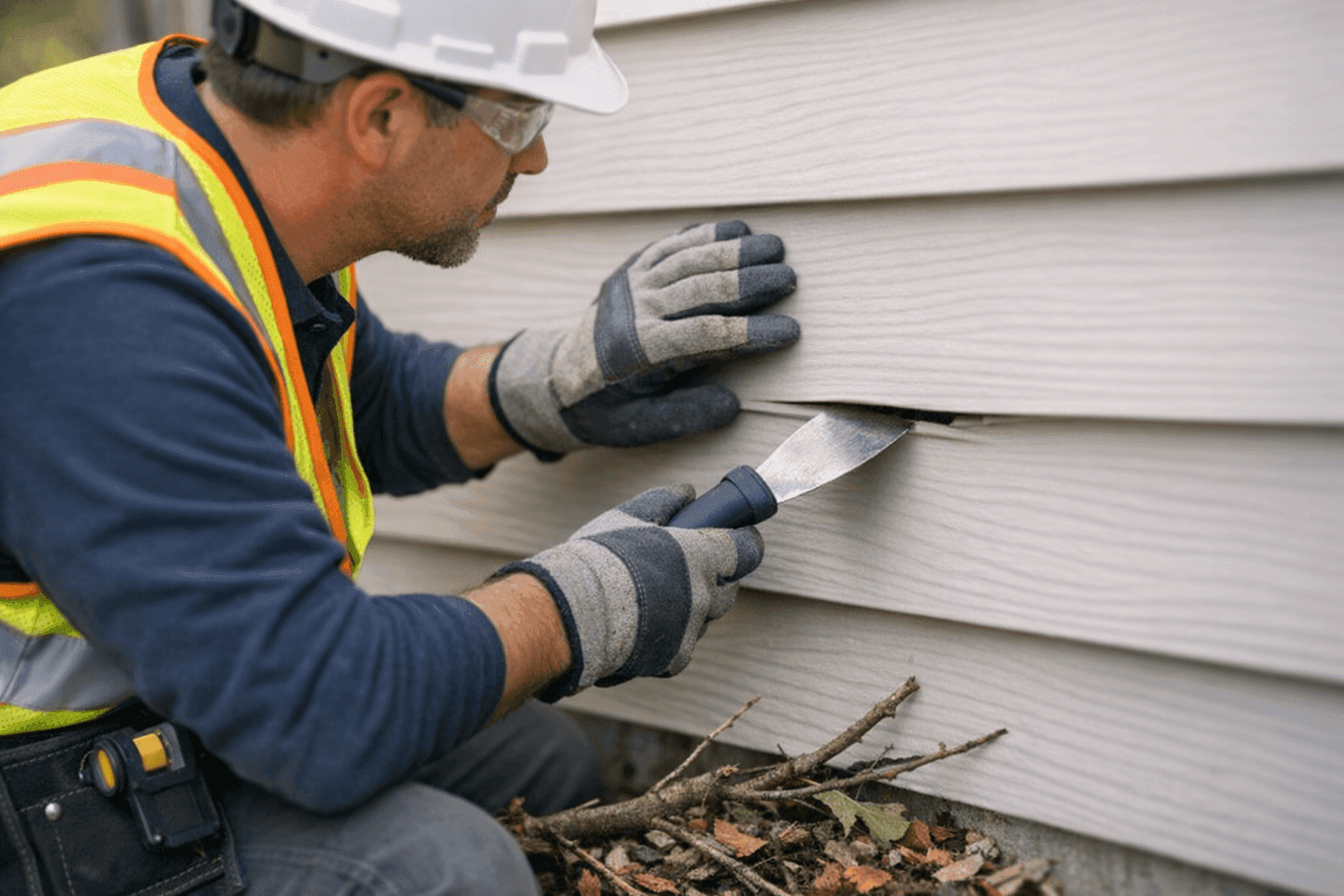
Mother Nature doesn’t play favorites. When a storm rolls in, every property—commercial or residential—is fair game. Gutters rattle, panels shake, and before you know it, your siding could be battered and bruised. At POM Siding, we know what it takes to defend your building from the elements.
Storm damage is more than just an eyesore—it’s a risk to your comfort, your investment, and the safety of everyone inside. With some smart preparation, you can keep your siding standing tall, season after season.
Why Storms Threaten Siding
Storms are relentless. Wind, hail, flying debris, and driving rain all conspire to find the weak spots in your exterior. Even the best siding can suffer if neglected.
- High Winds: Like a wolf huffing and puffing at your door, strong gusts can pry loose panels, especially if fasteners are old or missing.
- Hail: Small stones of ice, but with the impact of a thrown pebble—hail can dent, crack, or puncture siding, especially vinyl or aluminum.
- Debris: Branches, gravel, and even your neighbor’s lawn chairs can become projectiles, smashing into soffit, fascia, or trim.
- Water Infiltration: If a gap opens, water sneaks in. This can rot wood, warp panels, or invite mold. Over time, small leaks lead to bigger headaches.
The International Building Code (IBC) and local safety guidelines both emphasize the importance of a weather-tight exterior. Ignoring the risk is like leaving your front door wide open during a storm.
Proactive Measures to Protect Siding 🛡️
Imagine your siding as armor. To keep it strong, give it regular care. Here’s where to start:
- Inspect and Secure Panels: Loose siding panels are easy targets for wind. Walk around your home or business—look for gaps, rattling, or panels pulling away. Fasten anything loose.
- Trim Overhanging Trees: Branches too close to the roof or siding can scrape and fall. Trim them back before storm season.
- Seal Gaps and Joints: Use proper caulking and weatherproofing around windows, doors, and trim. Water loves to sneak in wherever it finds an opening.
- Check Gutters and Downspouts: Clogged gutters overflow, directing water behind siding and into soffit and fascia. Clean them each season and ensure downspouts aim away from your foundation.
- Reinforce Flashing: Metal flashing around windows, doors, and rooflines keeps water out. If it’s bent, rusted, or missing, repair it promptly.
For help with these steps, consider a professional siding inspection at least once a year.
The Seasonal Siding Safety Checklist
Every season has its own set of challenges. Use this checklist before and after storms:
- Inspect siding for cracks, holes, or warping
- Check soffit and fascia for signs of rot or water stains
- Test gutter stability and flow
- Examine trim and molding for loose or missing pieces
- Look for worn or peeling paint (a sign of trapped moisture)
- Note any discoloration or bubbling, which can signal hidden damage
If you find issues, address them before storms hit. Preventive action now saves time and money later.
Siding Materials: What Holds Up Best?
Not all siding is created equal. Some materials handle storms better than others:
- Fiber Cement: Tough and fire-resistant, it shrugs off hail and high winds.
- Metal Siding: Dent-resistant and strong, though it needs secure installation.
- Stucco: Durable if properly installed, but cracks can let water in.
- Vinyl: Affordable and versatile, but more vulnerable to flying debris.
- Wood: Classic look, but requires frequent maintenance to resist water and rot.
Choosing the right material—and maintaining it—makes all the difference. If you’re unsure, request a siding material consultation for tailored advice.
Common Mistakes That Leave Siding at Risk
Mistakes are costly. These are the most common errors we see after storms:
- Ignoring small cracks or missing panels
- Skipping seasonal inspections
- Failing to clean gutters
- Letting caulk or sealant deteriorate
- Waiting until damage is obvious—or severe—before acting
Remember: The little things add up. Routine maintenance keeps bigger problems at bay.
What to Do After a Storm Strikes 🌧️
The skies clear, but your job isn’t done yet. Quick action can mean the difference between a simple fix and a major repair.
Inspection Checklist
- Walk the Perimeter: Look for missing, cracked, or hanging panels.
- Check Soffit & Fascia: Water stains, warping, or holes signal trouble.
- Examine Gutters and Downspouts: Are they attached? Flowing freely?
- Scan for Debris Damage: Even small dents can open the door to leaks.
- Inspect Windows and Doors: Water intrusion here often goes unnoticed.
Early Intervention
- If you spot damage, cover exposed areas with a tarp to prevent water entry.
- Document issues with photos for insurance claims.
- Call in a siding repair professional for a thorough assessment and emergency repairs.
DIY or Call a Pro? When to Get Help
Simple fixes—like reattaching a loose panel or cleaning out gutters—are often within reach for a handy property owner. But when you see:
- Large sections of missing siding
- Water leaking inside
- Mold or rot
- Major structural damage
—It’s time to call in the professionals. POM Siding offers Storm Damage Repair for urgent needs.
What Professionals Do On Arrival
When siding pros show up, they:
- Conduct a detailed inspection, inside and out
- Use moisture meters and thermal cameras to spot hidden leaks (as recommended by the American Society of Home Inspectors)
- Propose the safest, most cost-effective repair plan for your needs
- Use industry-standard materials and follow local building codes
Costs and Time Factors
Storm repairs can range from a quick soffit fix to a full siding replacement. Factors affecting cost and timeline:
- Material type and availability
- Extent of the damage
- Weather conditions
- Size and height of the building
A small repair might take an afternoon. Full siding replacement or large-scale jobs can take several days—especially if insurance adjusters are involved.
When It’s an Emergency
Not every siding issue is a five-alarm fire. But if water is entering your building, power is compromised, or structural safety is at risk, act immediately. Protect your valuables and call for emergency siding repair.
Siding Maintenance: Your Year-Round Shield
Storm prevention starts with regular upkeep:
- Clean siding twice a year to spot trouble early
- Keep landscaping trimmed away from the house
- Repaint or reseal wood siding as needed
- Test and maintain caulking every season
Reliable maintenance doesn’t just prevent storm damage—it extends the life of your siding.
Siding and Local Codes: What You Need to Know
Building codes protect you and your property. Many areas require siding, soffit, and fascia to meet specific wind and impact ratings. Consult the International Building Code or your local building department for guidance. Professional installers like POM Siding stay up-to-date to ensure compliance.
Frequently Asked Questions
Q: How often should I inspect my siding for storm readiness?
A: At least twice a year—typically before and after the stormiest seasons.
Q: Can I repair storm-damaged siding myself?
A: Minor fixes are possible, but major repairs, especially where water or structure is involved, are best left to professionals.
Q: What’s the most storm-resistant siding?
A: Fiber cement and metal siding offer excellent resistance, but proper installation is just as important as the material itself.
For Homeowners and Businesses Alike
Whether you’re protecting a family home or a commercial property, proactive siding care is essential. POM Siding works with all types of clients, offering everything from Soffit and Fascia Repair near you to full siding replacement.
If you’re looking for trusted siding services in your area, see more about our siding installation and repair solutions in the Washington, DC region.
Take Action—Protect Your Siding, Protect Your Property
Storms can be unpredictable, but your siding doesn’t have to be vulnerable. Stay ahead with seasonal checklists, timely inspections, and the right repairs. Reach out to POM Siding for reliable, professional storm damage solutions.
Call POM Siding now — or reach us anytime at 888-870-1065 .