How to Prevent Siding Damage During Severe Weather
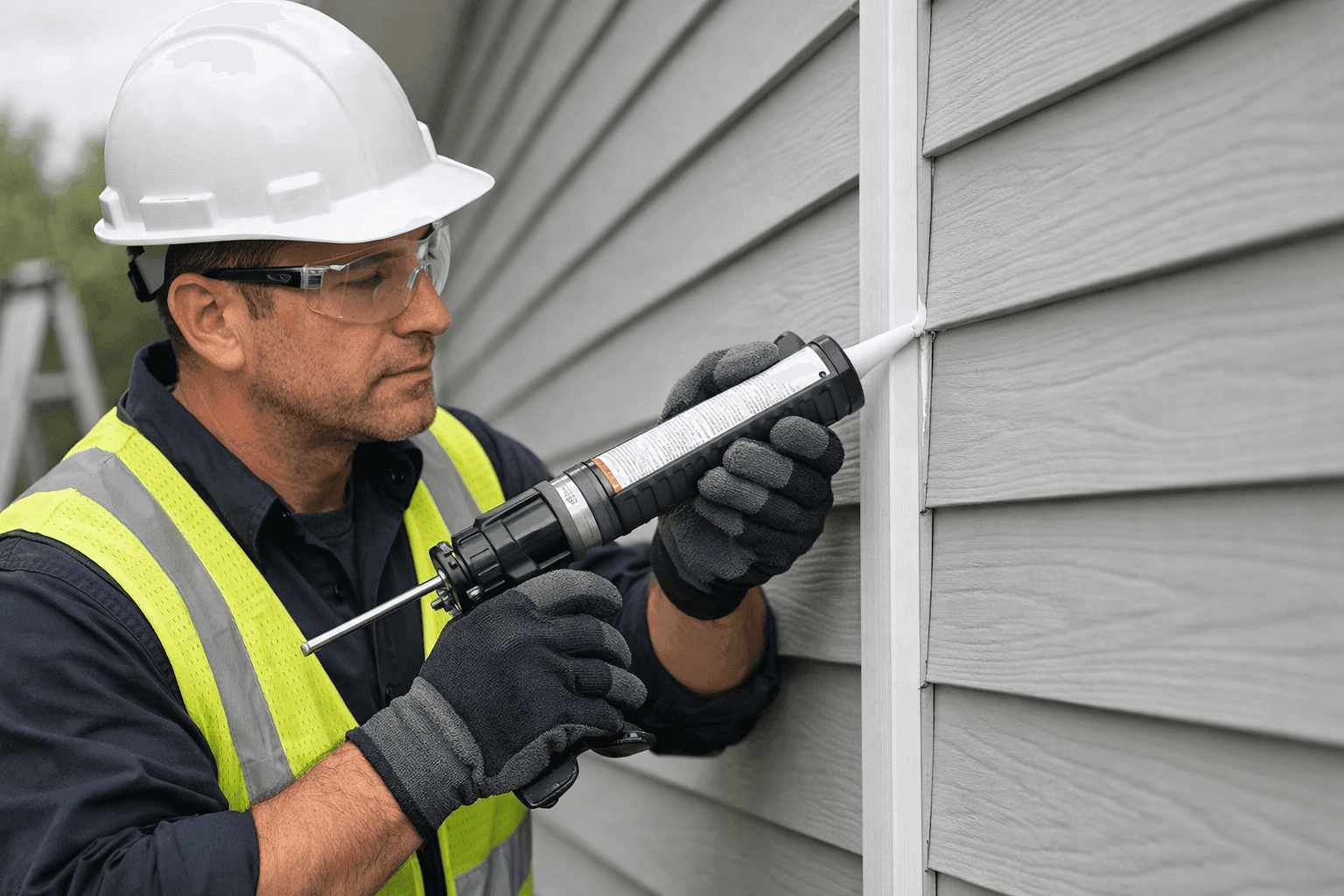
When the winds start howling and rain pelts the side of your home, siding becomes your first line of defense. But even the sturdiest exterior can be battered by storms, leaving behind headaches—and costly repairs.
At POM Siding, we see firsthand how quickly a little neglect can turn into major trouble. The good news? A few smart steps today can help you sleep easier through any forecast.
Common Weather Hazards for Siding 🌧️
Your siding faces an uphill battle every season. Here are some of the biggest threats:
- Heavy rain: Water finds even the smallest gaps, creeping behind panels and causing rot, mold, or warped boards.
- Wind: Gusts can loosen, crack, or even rip away siding—especially if it’s already worn or improperly installed.
- Hail: Those icy missiles chip paint, dent metal, and punch holes in vinyl or wood.
- Snow and ice: Freeze-thaw cycles expand cracks, while ice dams on soffits, fascia, and gutters lead to leaks.
- Sun: Over years, harsh UV rays fade color, dry out caulking, and make some materials brittle.
Understanding these hazards is the first step in safeguarding your investment. Think of it as reading the weather report before heading out.
Signs Your Siding Is Vulnerable
Spotting trouble early can save you a fortune. Look for:
- Peeling paint or bubbling under the surface
- Visible gaps at seams, especially around windows and doors
- Soft or swollen areas (a sign of water infiltration)
- Mold, mildew, or algae growth
- Loose, cracked, or missing boards and panels
If your siding is showing any of these red flags, it’s time to act. The longer you wait, the more damage storms can do.
Quick Siding Safety Checklist
Before the next storm, run through this simple list:
- Secure or trim nearby tree branches
- Clear gutters and downspouts
- Check attic and soffit ventilation
- Inspect for missing or loose nails
- Seal any obvious cracks or holes
- Ensure flashing is intact at roof edges and around windows
These bite-sized steps can make a world of difference.
Weatherproofing Techniques
Not all protection is created equal. Here’s how to truly shield your home or commercial building.
Caulking: The Small But Mighty Barrier
Caulking is like a raincoat for your siding’s seams. Use high-quality exterior caulk to seal gaps around windows, doors, vents, and trim. Silicone or polyurethane-based caulks last longer and flex with temperature changes.
- Tip: Replace any cracked or missing caulk annually, ideally before storm season.
Flashing: Redirecting Trouble
Metal flashing acts as a traffic cop for water, directing it away from vulnerable joints. Check that flashing is properly installed and free of rust or warping, especially above doors, windows, and foundation lines.
- Reference: The International Residential Code (IRC) details proper flashing installation for all siding types.
Regular Inspections: Your First Defense
Schedule siding, soffit, and fascia inspections at least twice a year—spring and fall are ideal. Professionals can spot hidden weaknesses and recommend preventative fixes.
If you’re searching for "Soffit and Fascia Repair near you," prioritize teams who specialize in storm readiness and detailed assessments.
Emergency Preparation Tips ⚠️
When severe weather is in the forecast, a little preparation can prevent big losses.
- Secure loose objects: Patio furniture, grills, and yard décor can become projectiles.
- Board up vulnerable areas: Especially if high winds or hail are predicted.
- Document your siding: Take photos for insurance purposes in case damage occurs.
- Know your shut-offs: Locate and test water, gas, and electrical shutoffs if flooding is a risk.
- Create an emergency kit: Include tarps, heavy-duty tape, and contact info for a trusted siding professional.
Preparation isn’t just for hurricanes. Even a strong thunderstorm can wreak havoc on unprotected siding.
DIY or Call a Pro?
Some minor fixes—like adding caulk or clearing gutters—are safe for most homeowners. But if your siding is high, damaged, or you’re dealing with tricky materials (like stucco or fiber cement), it’s smarter to call in the experts.
Pros have the safety gear, ladders, and experience to spot and solve issues before they escalate. For bigger projects—such as siding-weatherproofing or siding replacement—you’ll want a pro’s eye and steady hand.
What Pros Do On Arrival
When professionals arrive after a storm, here’s what you can expect:
- Thorough inspection of siding, soffit, fascia, and gutters
- Moisture testing to find hidden leaks
- Assessment of flashing, caulking, and trim integrity
- Written recommendations for repairs or upgrades
They don’t just patch holes—they look for the “why” behind the damage, helping you avoid repeat problems.
Prevention & Maintenance: The Long Game
Routine siding maintenance can stretch your exterior’s lifespan by years. Here’s how:
- Clean siding each spring: A gentle wash removes grime, mold, and pollutants that break down surfaces.
- Repaint or re-stain wood siding: Every 5–7 years, or sooner if color fades.
- Lubricate and tighten hardware: Screws and fasteners can loosen with temperature swings.
- Inspect after every major storm: Even if there’s no obvious damage.
For a full checklist, see our siding maintenance guide.
Costs & Time Factors
Preventative steps—like caulking and inspections—cost far less than emergency repairs. According to the National Association of Home Builders, regular siding upkeep can cut repair costs by 50% or more over a decade.
Major repairs (such as replacing storm-damaged panels) can take anywhere from a few hours to several days, depending on material and extent.
When It’s an Emergency
If you notice water pouring in, sections of siding missing, or exposed insulation, treat it as urgent. Call for emergency siding services right away. Quick action can limit structural damage and prevent costly mold issues.
FAQ: Weather & Siding
How often should siding be inspected for weather damage?
Twice a year, plus after major storms.
Can damaged siding still protect my home?
Not reliably. Even small holes let in water and pests.
Will insurance cover storm damage to siding?
Policies vary. Document the damage, and check with your provider.
Seasonal Considerations
- Spring: Clean siding, inspect for winter damage, trim trees.
- Summer: Check caulking and paint for sun damage.
- Fall: Clear gutters, check flashing, prepare for snow.
- Winter: Watch for ice dams and snow buildup.
Each season brings its own challenges—and opportunities for prevention.
Common Mistakes to Avoid
- Ignoring small cracks or gaps
- Delaying repairs “until next season”
- Using cheap caulk or paint
- Overpower washing (can force water behind panels)
- Neglecting soffit and fascia inspection
A little attention now saves big headaches later.
Siding Materials: Choosing for Weather
Some materials are tougher in wild weather. Fiber cement and metal siding resist wind and hail. Vinyl, when installed with proper flashing and trim, stands up well if caulked and maintained.
Not sure what’s best? Our siding material consultation can help you weigh pros, cons, and budget.
Siding Timeline & Disruption
Most preventative maintenance takes a few hours. Full repairs or replacement may last a few days, depending on weather and material. Professional crews work to minimize disruption—keeping your home or business secure throughout the process.
Gutter Health & Siding Protection
Gutters are siding’s silent partner. If they clog or overflow, water will flow where it shouldn’t—behind siding, into soffits, and down foundation walls.
- Clean gutters at least twice yearly.
- Check for leaks at seams and joints.
- Inspect downspouts for proper drainage.
A healthy gutter system means less risk to your siding. For more on how seamless siding can protect your property, see our high value siding solutions.
Siding Inspections: What to Expect
A professional inspection assesses:
- Overall condition and age of siding
- Proper installation of flashing and trim
- Signs of water damage, mold, or rot
- Condition of caulking, paint, or stain
- Soffit and fascia integrity
You’ll receive a written report with prioritized recommendations—so you can tackle the most urgent issues first.
Final Thoughts: Protect Your Siding Investment
Don’t wait for the next big storm to test your siding’s limits. With regular inspections, smart weatherproofing, and emergency prep, you can keep your home or business standing strong—season after season.
Call POM Siding now — or reach us anytime at 888-870-1065 .