How to Prevent Mold and Mildew on Siding
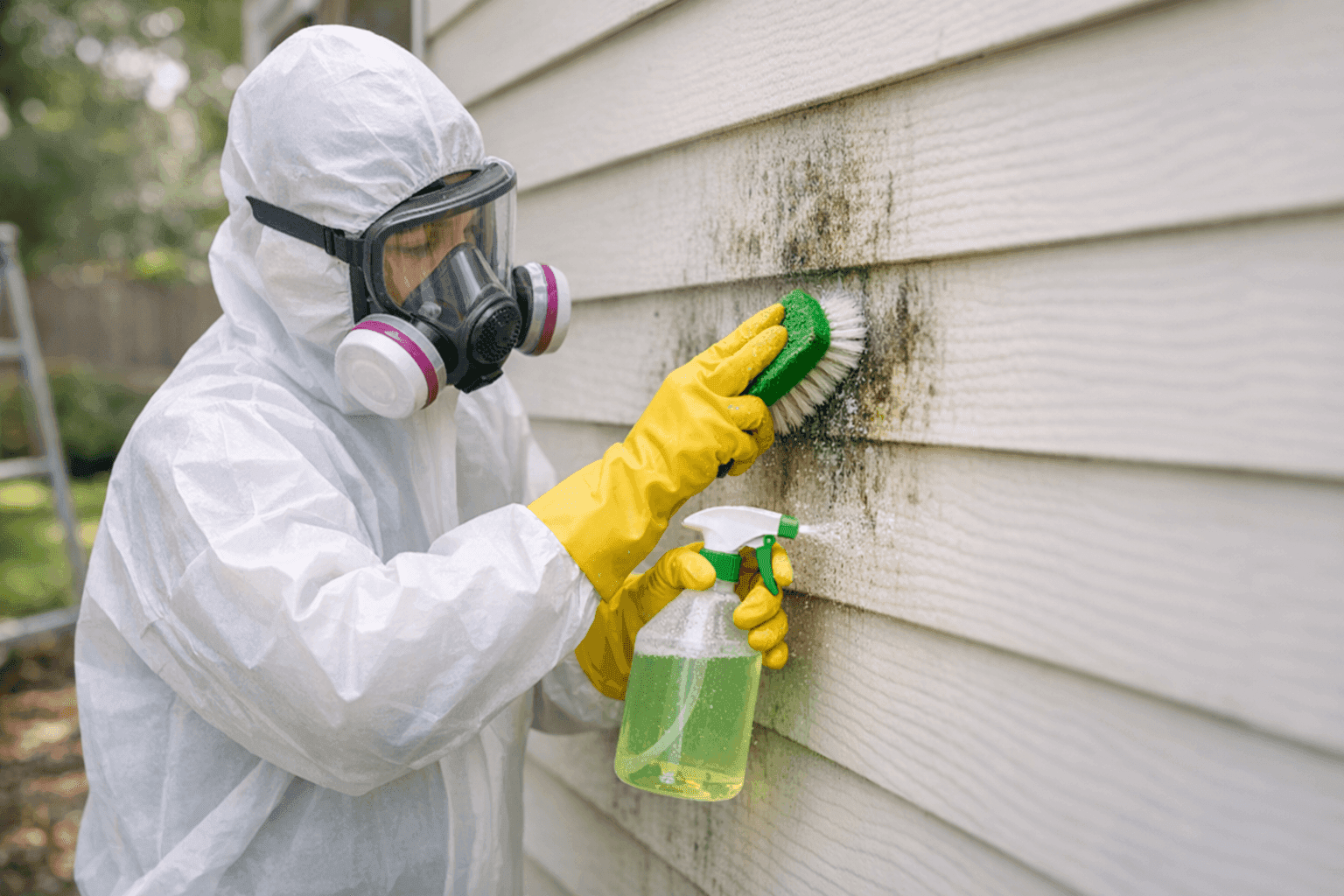
Is your siding starting to look a little green around the edges? Maybe you’ve noticed black spots or that musty smell that lingers after a rainy week. Mold and mildew aren’t just eyesores—they’re signals your siding needs attention now, before a minor annoyance becomes a bigger, costlier problem.
At POM Siding, we know siding inside and out. Our crews have seen every type of growth and grime, from historic homes to busy commercial storefronts. Let’s walk through why mold happens, how to fix it, and—most importantly—how to stop it from coming back.
Why Mold and Mildew Form
Mold and mildew are like uninvited guests at a backyard BBQ—they show up when conditions are just right. Think moisture, shade, and organic material (like pollen, dust, or even the sap from trees overhead). Siding, especially on the north or shaded side of your property, can become the perfect breeding ground.
- Moisture: Rain, humidity, leaky gutters, or improper caulking can all create damp spots where fungus loves to settle.
- Poor Ventilation: Without airflow behind or around siding, dampness lingers like steam in a closed bathroom.
- Organic Debris: Leaves, dirt, and bird droppings feed mold. If they stick to your siding, they become a buffet.
The result? Mold and mildew cling to the surface, sometimes creeping into cracks. Left unchecked, they can eat away at paint, stain wood, and weaken siding materials—leading to repairs that nobody wants.
How to Identify Mold and Mildew Early 🕵️
Catching mold early is like spotting a leak before it floods the basement. Look for:
- Dark green, black, or gray splotches (often fuzzy or slimy)
- Persistent musty odors, especially after rain
- Discoloration that doesn’t wash off easily with a hose
- Warping, bubbling, or soft spots on wood siding
If you’re unsure, a professional siding inspection can pinpoint the problem and its source.
Quick Safety Checklist Before You Clean
Before tackling any siding-cleaning project, start safe:
- Wear gloves, eye protection, and a mask (mold spores are no joke)
- Keep pets and kids away from work areas
- Use ladders safely—never overreach
- Avoid mixing cleaning products; stick with one trusted cleaner
- Check product labels for EPA approval and siding compatibility
If the mold covers a large area, or if you have health concerns (allergies, asthma, or respiratory issues), call a professional. Safety always comes first.
How to Clean and Treat Affected Siding
Ready to roll up your sleeves? Here’s how to clean siding like a pro:
Step 1: Dry Brushing
Start with a soft-bristled brush or broom. Gently sweep away loose dirt, cobwebs, and as much mold as you can. This helps prevent smearing grime deeper into the siding.
Step 2: Soap and Water Solution
Mix warm water with a few drops of dish soap. Scrub affected areas with a sponge or soft brush. Rinse thoroughly with a garden hose.
Step 3: Mold-Specific Cleaner
For stubborn spots, use a commercially available mold and mildew cleaner. Choose products labeled safe for your siding material (vinyl, fiber cement, wood, etc.). Never use harsh bleach on painted or delicate finishes—it can cause more harm than good.
Step 4: Rinse Completely
Always rinse from top to bottom. Leftover cleaner can attract more grime or damage the siding over time.
Step 5: Dry
Let the surface air dry. If possible, do this job on a sunny, breezy day.
Pro tip: For high spots or large buildings, consider professional siding cleaning to avoid personal injury and ensure deep cleaning.
Professional Siding Treatment: What Pros Do On Arrival
When you hire a siding specialist, here’s what you can expect:
- Full visual and moisture inspection
- Identification of affected areas and type of siding
- Safe application of eco-friendly, siding-appropriate cleaners
- Power washing (when safe for your material)
- Repairs to caulking, trim, or flashing if needed
- Guidance on preventing mold recurrence
Our team at POM Siding follows industry standards and manufacturer guidelines, ensuring your property is protected, not just cleaned.
Prevention Strategies for Mold and Mildew
Preventing mold is like keeping weeds out of a garden—it’s about vigilance and the right habits.
Keep Siding Dry 🌤️
- Trim trees and shrubs so sunlight reaches shaded areas
- Fix leaky gutters and downspouts
- Slope landscaping away from foundations
Improve Ventilation
- Ensure soffit and fascia vents are clear and functional
- Don’t block airflow with stacked firewood or bulky outdoor furniture
- For older homes, consider professional ventilation upgrades
Regular Cleaning
- Hose down siding every few months to remove pollen and dust
- Clear away leaves and organic debris, especially in fall and spring
Seasonal Maintenance Tips
Every season brings its own siding challenges:
- Spring: Check for winter storm damage, clean off pollen and debris.
- Summer: Look for signs of moisture buildup behind landscaping.
- Fall: Remove leaves and inspect gutters before rainy months.
- Winter: Watch for ice dams, which can force water behind siding.
A siding maintenance plan keeps you ahead of the curve year-round.
Siding Material Matters: Choosing Mold-Resistant Options
Not all siding is created equal. Some materials are naturally more resistant to mold and mildew:
- Fiber Cement: Durable, less porous, and resists moisture absorption
- Vinyl: Smooth surfaces shed water and debris easily
- Metal: Won’t feed mold, but still needs regular cleaning
- Stucco: Needs proper sealing and drainage to prevent moisture traps
- Wood: Beautiful but requires sealing and vigilant care
Ask us about eco-friendly siding options that combine curb appeal with resilience.
Siding Flashing and Caulking: An Overlooked Line of Defense
Water finds the tiniest path inside. Proper flashing and caulking around windows, doors, and trim keep the elements out and the structure dry. If you notice gaps, peeling, or missing sealant, schedule repairs right away.
Signs It’s Time to Call a Pro 🔍
DIY is great—until it isn’t. Call for help if:
- Mold returns quickly after cleaning
- Siding feels soft, spongy, or warps
- You notice leaks inside your home or business
- Large areas are affected, or mold has spread beneath panels
Severe cases can signal underlying moisture problems, not just surface stains.
Gutter and Drainage Maintenance
Clogged gutters are like a broken umbrella—useless when you need them most. Clean them regularly to keep water moving away from your siding. Consider seamless gutter installation or repair to prevent overflow and pooling.
Emergency Siding Services: When Mold Is a Red Flag
If you spot rapid mold growth after a storm or flooding, that’s an emergency. Mold can compromise indoor air quality and even your building’s structure. Don’t wait—call for emergency siding services at the first sign of trouble.
Common Mistakes to Avoid
- Ignoring small spots (“It’s just a little dirt!”)
- Using the wrong cleaner for your siding type
- Power washing with too much pressure (can force water behind siding)
- Neglecting regular inspections
Preventing mold is about smart habits, not just cleaning up after the fact.
Code and Safety Guidelines
Always follow local building codes and EPA guidance for cleaning products. The Centers for Disease Control and Prevention (CDC) offers clear advice on safe mold removal and when to seek professional help.
FAQ: Mold & Mildew on Siding
Q: How often should I clean my siding?
A: At least once a year, or more often if your property is shaded or near trees.
Q: Can mold damage my siding permanently?
A: If caught early, most stains can be removed. Left unchecked, mold can degrade wood, paint, and even some composites.
Q: What’s the best siding to prevent mold?
A: Fiber cement and vinyl are top choices for moisture resistance.
Timeline & Disruption: What to Expect
A typical siding cleaning for an average home takes 2–4 hours. Larger commercial properties may need a full day or longer, depending on size and material. Most jobs cause minimal disruption—just a bit of noise and some temporary water runoff.
Keep Siding Mold-Free All Year
Your siding is more than just a pretty face—it’s your property’s first shield against the elements. With the right cleaning, timely repairs, and thoughtful prevention, mold and mildew don’t stand a chance.
For reliable siding cleaning, maintenance, and inspection—or if you need siding repair near you—POM Siding is here to help. Looking for siding services in your area? Visit our Owensboro siding professionals page to learn more.
Call POM Siding now — or reach us anytime at 888-870-1065 .