How to Prepare Your Siding for Storm Season
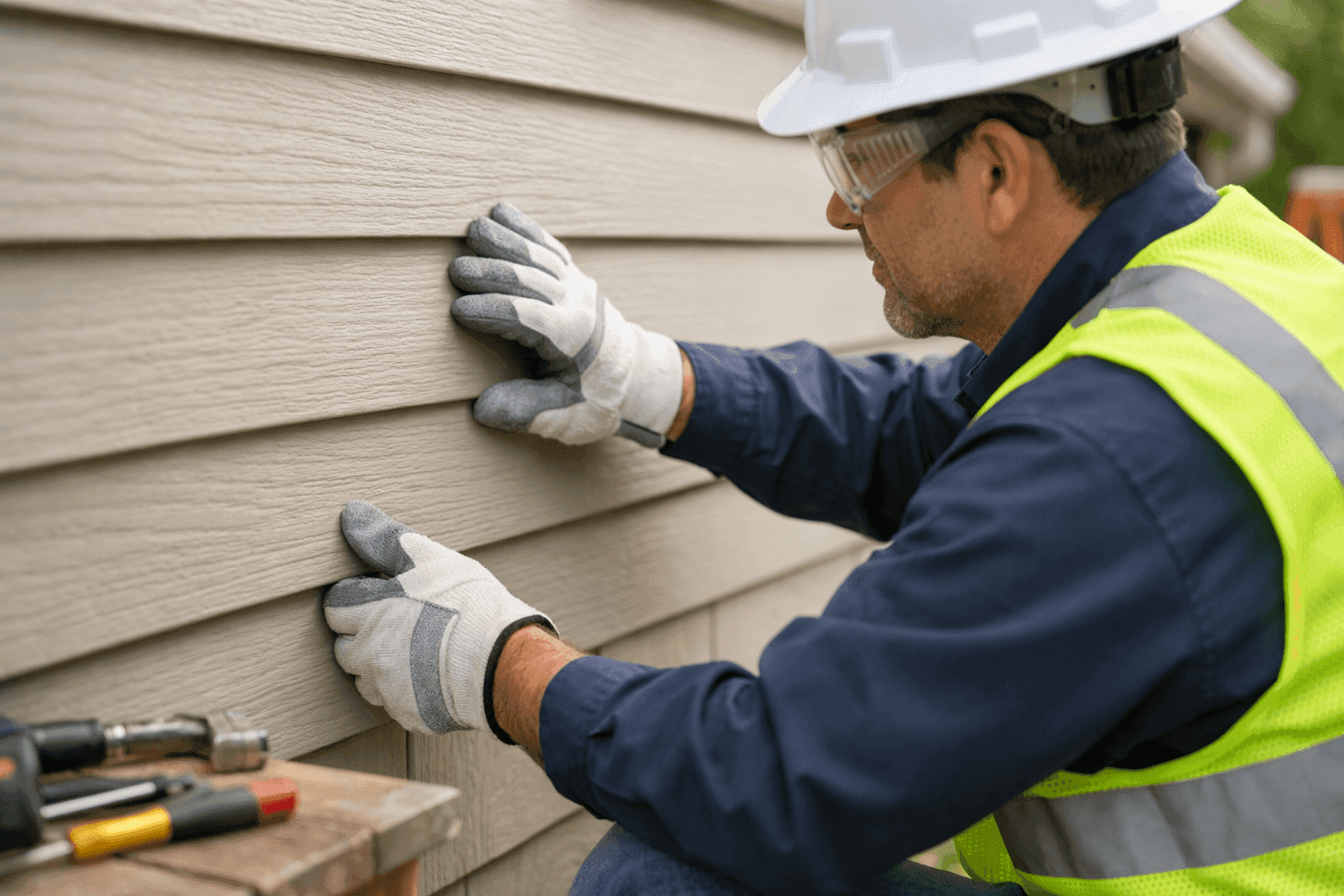
Every year, storm season brings a mix of anxiety and urgency for property owners. One minute, your home’s siding is gleaming in the sunshine. The next, it’s facing hail, wind, and flying branches. The truth? Preparing your siding before severe weather is the most powerful move you can make to minimize risk—and stress.
At POM Siding, we’ve seen firsthand how smart prep can mean the difference between a quick fix and major repairs. Here’s how to get your siding ready for whatever the skies throw your way.
Risks from Severe Weather 🌩️
Think of your siding as armor for your home or business. It stands between your family (or your tenants) and the full force of wind, rain, and debris. But no armor is invincible.
Common threats include:
- Wind: High gusts can pull siding panels loose or force water behind them, leading to rot.
- Hail: Even small hailstones can crack vinyl, dent metal, or chip paint.
- Heavy rain: Persistent moisture finds its way into seams, causing mold, swelling, or warping.
- Flying debris: Branches or loose items become projectiles, puncturing or scraping siding surfaces.
According to the International Code Council (ICC), regular siding inspection and maintenance are key to reducing these risks and keeping your building envelope secure.
Siding Storm Prep Checklist
When a storm is on the horizon, don’t just cross your fingers. Use this checklist to give your siding the best chance at holding strong.
- Inspect for existing damage: Look for cracks, loose panels, gaps, or missing caulking. Even small flaws can mean big problems after a storm.
- Check soffits and fascia: Loose or damaged soffit and fascia boards can let in water and pests. Search for rot, rust, or separation at the seams.
- Clean gutters and downspouts: Clogged gutters cause water to overflow and run down siding, increasing the risk of leaks.
- Trim nearby trees: Overhanging branches are a recipe for disaster. Cut them back to prevent impact damage.
- Secure outdoor items: Patio furniture, grills, and toys can become airborne and hit the siding.
- Seal and caulk: Fresh caulk around windows, doors, and siding joints helps keep water out.
- Test siding fasteners: Give panels a gentle tug; they should feel solid. Loose siding is vulnerable in high winds.
- Consider weatherproofing upgrades: If your area sees frequent storms, ask about siding weatherproofing for added protection. Learn more about our siding weatherproofing services.
Prevention & Maintenance: The Pro’s Approach
Routine maintenance makes storm prep easier—and less expensive.
- Schedule yearly siding inspection: Professionals can spot subtle issues most property owners miss. At POM Siding, a thorough inspection covers siding, soffit, fascia, trim, and flashing.
- Prioritize repairs: Don’t postpone soffit and fascia repair near you. Small fixes now can prevent water intrusion and major costs later.
- Upgrade outdated materials: Modern options like fiber cement siding, metal, or eco-friendly panels often hold up better under stress.
- Refresh paint or stain: A fresh coat acts like sunscreen for wood siding, protecting against moisture and UV rays.
Emergency Repairs and What to Do After Damage 🛠️
Storms can be relentless. If your siding takes a hit, here’s what to do next.
- Stay Safe: Wait until the storm passes before heading outside. Look for hazards like downed power lines.
- Document the damage: Take clear photos and note the date/time. This helps when dealing with insurance later.
- Temporary fixes: Use tarps or plastic sheeting to cover exposed areas and prevent further water entry.
- Call in pros for storm damage repair: Some issues—like hidden water leaks or compromised insulation—require professional tools and expertise. See our storm damage repair solutions.
- Avoid DIY if unsure: Siding repairs at height or involving structural damage can be dangerous.
Insurance Considerations
Navigating insurance after a storm can feel overwhelming. A few tips to make the process smoother:
- Review your policy: Know what’s covered (and not) before a storm hits. Most policies include wind and hail but may exclude flooding.
- Keep records: Save inspection reports, receipts for maintenance, and photos of your property before storm season.
- File claims promptly: The sooner you report damage, the faster you’ll get repairs moving.
- Work with trusted contractors: Insurers often require licensed professionals for repairs. Get written estimates and detailed invoices for all work.
The Insurance Institute for Business & Home Safety (IBHS) recommends annual documentation and working with professionals for storm-related repairs. This keeps your claim process hassle-free and ensures work is up to code.
Signs Your Siding Needs Attention
Don’t ignore the early warning signs. These clues mean your siding is calling for help:
- Bubbling or blistering paint
- Warping, buckling, or sagging panels
- Soft or spongy spots (especially with wood or fiber cement)
- Visible mold or mildew
- Unexplained spikes in heating or cooling bills (a sign of hidden leaks)
If you spot any of these, schedule a siding inspection as soon as possible. Explore our siding inspection services.
DIY or Call a Pro?
Some tasks (like cleaning gutters or trimming low branches) are safe for most handy homeowners. But when it comes to:
- High or hard-to-reach siding
- Missing panels
- Major cracks or holes
- Flashing and weatherproofing
Professional help isn’t just a convenience—it’s smart risk management.
Gutter and Drainage System Checks
Gutters are the unsung heroes of siding protection. Make sure:
- Gutters run clear and fast, with no sagging or blockages.
- Downspouts direct water at least five feet away from the foundation.
- No leaks at joints or corners.
Consider a seasonal gutter inspection if you’re not sure.
Upgrading for Storm Resistance
If your building has older or damaged siding, think about an upgrade before storm season. Options like fiber cement, metal, or advanced vinyl offer better resistance to high winds and hail. For new construction, ask about integrated weather barriers and flashing systems to create a watertight envelope.
Common Mistakes That Cost
A few missteps can turn minor issues into major headaches:
- Ignoring small cracks or gaps
- Using the wrong caulk or sealant
- Putting off soffit and fascia repair near you until after a storm
- Skipping annual inspections
Stay proactive. Your future self (and your insurance adjuster) will thank you.
Siding Painting and Maintenance Tips 🎨
Paint isn’t just for looks. Cracked, peeling, or faded paint is a sign your siding's protective layer is failing. Choose high-quality exterior paints or stains, and always follow manufacturer's recommendations for prep and application.
For cleaning, a gentle wash with mild soap and a soft brush keeps mold and grime at bay. Power washing is best for pros—too much pressure can damage siding.
Materials Matter
Each siding material has its pros and cons:
- Vinyl: Low maintenance but can crack under impact.
- Fiber Cement: Resists rot and insects but needs occasional painting.
- Metal: Great against hail, but dents are possible.
- Wood: Classic look; requires frequent sealing or painting.
Ask about eco-friendly siding options if sustainability is a priority.
When It’s an Emergency
Sometimes, a storm leaves your home exposed. If you see structural damage, water pouring in, or unsecured panels, call for emergency siding services right away. Fast action prevents further problems and keeps your property safe.
Siding Ventilation and Insulation
Proper ventilation under siding—especially in soffits—prevents moisture buildup and mold. Good insulation also helps your siding withstand temperature swings, making your home more comfortable and efficient.
Timeline & Disruption: What to Expect
Most siding repairs or replacements can be done in a few days, weather permitting. Emergency patching is fast, but follow-up work may take longer if special materials are needed. POM Siding’s crews work efficiently, minimizing disruption to your routine.
For Centreville: Your Local Siding Resource
If you need reliable siding help for storm season, check out our siding services in Centreville for both residential and commercial properties.
Ready for the Storm? Take Action Now
Don’t wait until the sky turns dark. Preparing your siding now can save you thousands in repairs—and a ton of worry. Whether you need a quick inspection, siding maintenance, or urgent repairs, POM Siding is here to help.
Call POM Siding now — or reach us anytime at 888-870-1065 .