How to Pick the Perfect Siding Color for Your Home
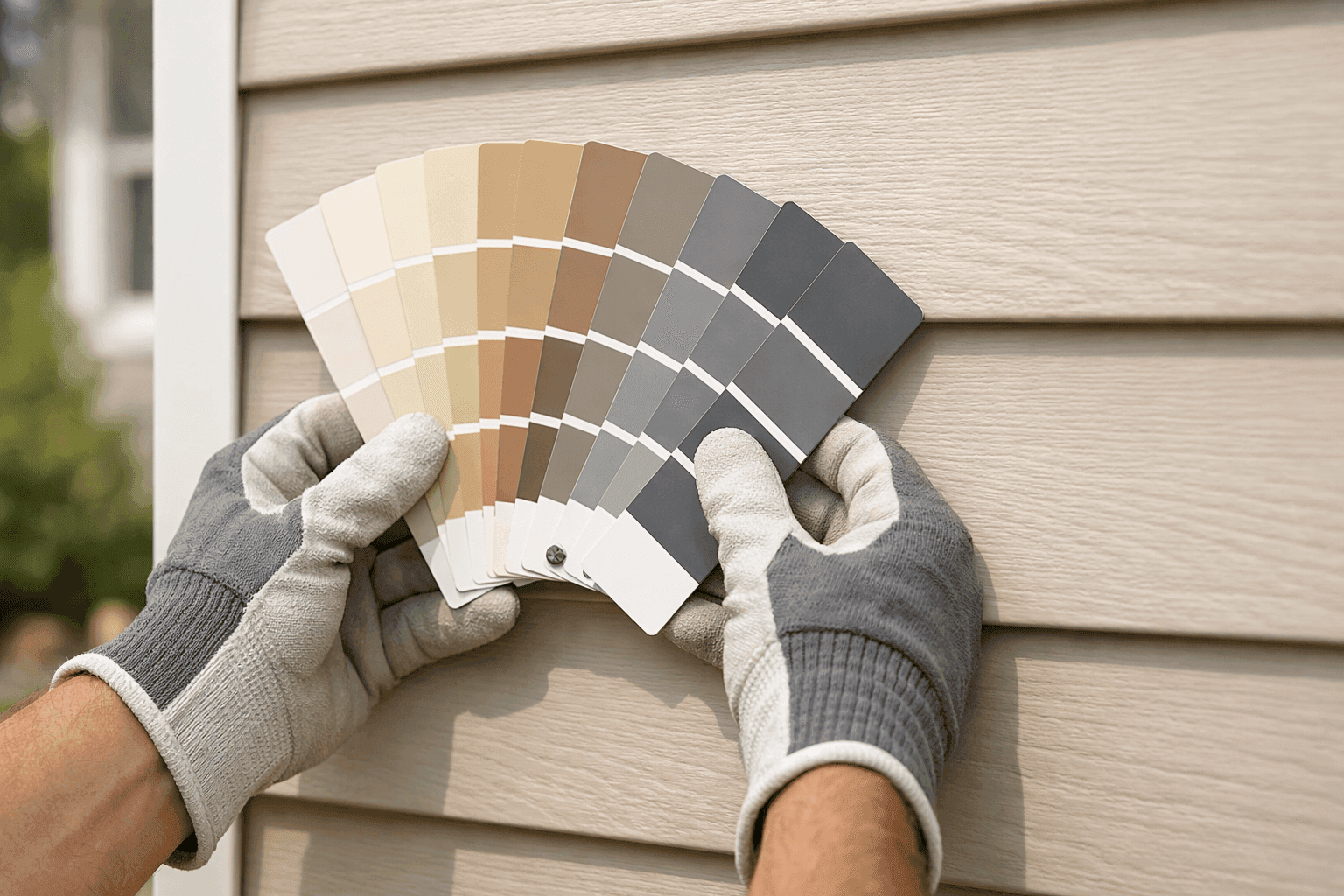
Choosing the right siding color can feel like picking the paint for a masterpiece. You want to get it just right. Your home’s exterior is the first greeting for neighbors, friends, and buyers. The right color doesn’t just look good—it stands up to the sun, weather, and changing trends.
At POM Siding, we’ve seen firsthand how the right shade can transform a property from ordinary to unforgettable. Let’s break down how to choose a color you’ll love for years.
The Importance of Siding Color
Siding color is more than a shade—it’s the mood your house sets. Like a handshake, it makes a first impression. A bold blue might say, “Modern and lively!” while warm taupe whispers, “Classic and welcoming.” But it’s not just about looks. The right choice can:
- Boost curb appeal and property value
- Help your home blend—or stand out—in your neighborhood
- Influence how hot or cool your house feels on a sunny day
- Hide or highlight architectural details
And remember, siding color is a long-term commitment. Unlike paint, swapping out siding is a bigger investment—so choose with care.
Trends and Timeless Choices 🏡
Siding trends come and go, but some choices always look sharp. Here’s what’s hot—and what never goes out of style:
Current Trends:
- Deep charcoals and moody blues for modern flair
- Two-tone combinations (think: white siding with dark trim)
- Earthy greens and clay tones for a natural vibe
Timeless Picks:
- Crisp whites and soft grays—clean, classic, and versatile
- Warm beiges and taupes that suit almost any architecture
- Traditional reds and deep browns for a cozy, inviting look
Remember, today’s bold color might feel dated in a decade. If you’re unsure, lean toward neutrals for the siding and use brighter colors on trim or doors.
The Power of Color Psychology
Color affects us on a gut level. Just as blue feels calm and trustworthy, yellow is cheerful and energetic. Think about how you want your home to feel, both to you and visitors. Here’s a quick guide:
- Blue: Trustworthy, serene
- Gray: Balanced, neutral
- Green: Peaceful, connected to nature
- Red: Energetic, bold
- White: Fresh, crisp, open
If you’re stuck, our siding color consultation service helps you read between the lines—literally.
Coordinating with Roof and Trim
Your siding isn’t on an island. The roof, trim, windows, gutters—all play a role. Think of your home’s exterior like an outfit: the siding is your shirt, the trim is your tie, and the roof is your jacket. They should work together, not clash.
Tips for a Cohesive Look:
- Choose siding colors that contrast gently with the roof, not compete with it.
- Use the same color family for trim and soffit for a pulled-together look.
- For bold siding, keep trim simple and neutral—crisp white or soft gray.
- For classic brick or stone, pick siding that echoes those undertones.
Our trim and molding installation team can help tie everything together for a finished, harmonious look.
Visualizing Color Changes 👀
It’s hard to imagine a sea of color from a tiny swatch. Sunlight, shadows, and even the seasons can change how a color looks. Before you decide:
- Hold up large color samples at different spots on your home
- Check them morning, noon, and evening—colors shift throughout the day
- Ask for siding boards in your top picks and tape them up for a week
- Consider how the color works with landscaping and neighboring homes
Some manufacturers offer online visualizers, but nothing beats seeing real samples outside.
How Siding Material Impacts Color
Vinyl, fiber cement, stucco, metal—each takes color differently. Vinyl siding, for example, can fade faster if you choose dark shades, while fiber cement holds pigment longer. Metal siding often comes in factory finishes that resist UV light. Always check manufacturer fade ratings and warranty details.
If you need guidance, our siding experts can explain the pros and cons of each material when it comes to color and longevity.
Resisting Fading and Weather
Sun, rain, snow—all can dull your siding’s shine over time. Here’s how to keep your color fresh:
- Opt for UV-resistant siding products
- Ask about fade-resistant finishes and special coatings
- Consider lighter colors in sun-drenched areas to hide fading
- Schedule regular siding cleaning to wash away grime
For more on how to protect your investment, see our siding painting page.
Matching Style & Neighborhood
Every street has its own rhythm. In some neighborhoods, bold colors are celebrated. In others, subtlety rules. Some towns even have HOA guidelines or local ordinances on color selection—always check before you commit.
Drive around your area and snap photos of homes you admire. Notice what works, what stands out, and what feels right for your own home’s architecture.
Considering Architecture and Era
Victorian, craftsman, mid-century modern—each style tells its own story. Classic homes often look best with muted, historical colors, while modern designs can handle bolder contrasts. For example:
- Victorian: Deep greens, muted reds, creamy whites
- Colonial: Slate blue, brick red, warm beige
- Contemporary: Stark whites, charcoal, sleek navy
Take inspiration from your home’s roots, but don’t be afraid to add your own twist.
Siding Color and Energy Efficiency
Did you know color affects your home’s temperature? Dark siding soaks up the sun’s heat, while lighter shades reflect it. In warm climates, pale colors can help keep your home cooler, saving on energy bills. In colder regions, a deeper shade might help a little with winter warmth.
Consult the U.S. Department of Energy’s guidelines for exterior finishes if you want to maximize efficiency.
Safety and Local Codes
Some communities have regulations on siding colors—especially historical districts or HOA-managed neighborhoods. Before you buy, check local building codes and get any necessary approvals. It’s better to ask first than to redo later.
When to Call the Pros
DIY color picking can be fun, but sometimes it helps to have a trained eye. Professional siding installers know how colors interact, how materials behave, and what works in your climate. Plus, they can spot other needs—like soffit and fascia repair near you—that could affect your project.
Timeline & Disruption
Picking your color is just the start. Siding installation or painting takes planning. Weather, availability of materials, and the scope of your project all play a part. Ask your contractor for a timeline, and expect some disruption—but the results are worth it.
Frequently Asked Questions
How do I know if my color will look good in five years?
Stick to timeless hues and quality products. Visit neighborhoods with similar colors and see how they’ve aged.
Can I paint my current siding instead of replacing it?
Often, yes—especially with fiber cement or wood. Vinyl can sometimes be painted with special coatings. Our team can advise based on your siding type.
Is darker siding harder to maintain?
Darker colors may show dirt and fade sooner, especially on sun-exposed sides. Regular cleaning and maintenance help.
Signs It’s Time for a Color Change
- Your siding looks faded, stained, or dated
- You’re renovating or adding new features
- You want to boost curb appeal before listing your home
- Neighbors have refreshed their exteriors and yours stands out—in the wrong way
Preventing Common Mistakes
- Don’t pick a color in-store—always view samples outdoors
- Avoid trendy shades unless you’re prepared to repaint or reside sooner
- Don’t ignore your roof and trim—they’re part of the picture
- Never skip checking local guidelines
The Value of Siding Color Consultation
A little advice goes a long way. At POM Siding, our color consultations are about more than swatches—they’re about helping you see your home’s full potential. We bring a designer’s eye and practical know-how to every project.
For an in-depth look at siding ideas and services in your area, check out our guide to siding in Hamilton.
Ready to give your home a fresh new face? Call POM Siding now — or reach us anytime at 888-870-1065 .