How to Paint Siding Like a Pro: Step-by-Step Guide
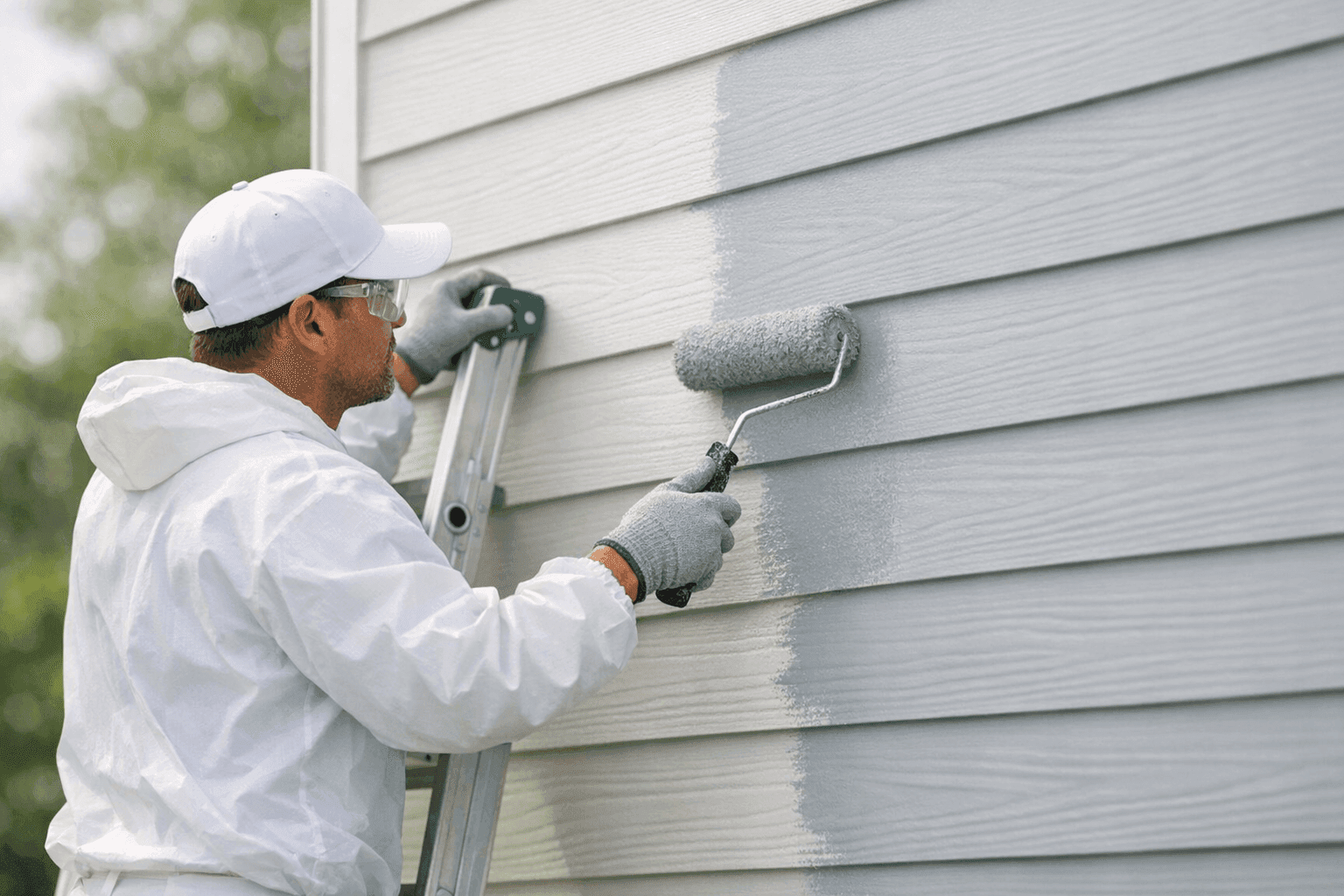
Is your siding looking tired? Maybe a bit faded, or spotted with old paint flaking off in the sun? You’re not alone. Many homeowners and building managers face the same challenge: keeping siding sharp, weatherproof, and beautiful, year after year.
At POM Siding, we know a professionally painted exterior isn’t just about curb appeal. It’s about protecting your investment—whether at home or your place of business. If you’re ready to tackle this project like a pro, read on. We’ll show you the ropes.
When to Paint Siding
Timing is everything. Painting siding too soon or too late can mean wasted effort and money. But how do you know when the time is right?
- Fading Colors: If your siding looks dull and lifeless, UV rays may have stripped away essential pigments.
- Peeling or Cracked Paint: Flaking is a clear sign your siding’s protective barrier has failed.
- Visible Staining: Water streaks, mildew, or dark spots that don’t wash off call for more than a cleaning.
- Before Selling: A fresh coat works wonders for first impressions.
Best Season: Aim for mild, dry weather—spring or early fall. Temperatures between 50°F and 85°F (10°C to 29°C) are ideal. Too hot and the paint dries unevenly; too cold and it won’t set.
Quick Safety Checklist 🛡️
Painting siding isn’t just about brushes and color swatches. Safety is your foundation:
- Ladders: Inspect for loose bolts and always set on stable ground.
- Protective Gear: Gloves, goggles, and a mask are a must—paint dust and fumes are no joke.
- Surface Hazards: Watch for wasp nests, loose panels, or sharp edges on soffit and fascia.
- Electrical Awareness: Steer clear of overhead wires.
For OSHA’s latest safety recommendations, check the U.S. Department of Labor’s website.
Choosing Paint and Tools
It’s tempting to grab whatever’s on sale at the hardware store. But siding requires durable, weather-resistant paint and the right tools:
- Paint Type: For wood or fiber cement, use high-quality 100% acrylic latex exterior paint. Vinyl siding? Find paints specifically rated for vinyl—these flex with temperature changes.
- Primer: Always use a primer suited to your siding material if bare patches are exposed.
- Tools:
- Angled sash brushes for edges and trim
- Rollers with a 3/8-inch nap for smooth siding, 3/4-inch for rough textures
- Extension poles for hard-to-reach areas
- Drop cloths and painter’s tape for protection
Pro tip: Invest in a sturdy caulking gun—sealing gaps before you paint extends your siding’s lifespan.
The Importance of Surface Prep
Think of prep as laying the groundwork for a healthy lawn. You wouldn’t throw seeds on rocky soil and hope for the best, right?
- Cleaning: Dirt, mildew, and chalky residue keep paint from sticking. Use a soft brush or a pressure washer (set to low). For tough stains, a siding-safe cleaner works wonders.
- Repairs: Fix any loose, cracked, or rotted boards. For “Soffit and Fascia Repair near you,” address those edges before painting.
- Caulking: Seal all gaps and joints with a paintable exterior caulk. Let dry completely.
- Sanding: Smooth peeling or glossy spots so primer and paint can grip.
Priming: The Pro’s Secret Weapon
Priming creates a sticky, even base for your topcoat. Don’t skip it, especially if:
- Your siding has bare wood or exposed fiber cement.
- You’re painting over dark or stained surfaces.
- You’re switching to a much lighter or bolder color.
Apply primer only to fully dry, clean surfaces. Let it cure as directed by the manufacturer (usually 24 hours).
Painting Techniques for Lasting Results 🎨
Now for the fun part—painting! But don’t rush in. Use these techniques for a finish that lasts:
- Work Top-Down: Start at the top and work your way down. Gravity is your friend.
- Brush and Roll: Use a brush for trim, corners, and edges; a roller for broad, flat sections. This “cut and fill” method ensures full coverage.
- Apply Thin Coats: Two thin coats beat one thick, drippy layer every time. Allow proper drying between coats.
- Watch the Weather: Never paint in direct blazing sun or if rain is expected within 24 hours.
Siding Painting & Maintenance Tips
A little TLC goes a long way. Keep your paint job looking crisp:
- Regular Washing: Hose down siding annually and spot-clean stains.
- Inspect Annually: Look for chips, cracks, or mildew, especially after storms.
- Touch-Ups: Address small chips right away to prevent bigger issues.
Need help? Our siding maintenance team is always here to consult.
Common Mistakes to Avoid
Even seasoned DIYers slip up. Here’s what not to do:
- Skipping Surface Prep: Paint over dirt, and it’ll flake fast.
- Poor Timing: Painting in rain or frost can ruin your finish.
- Ignoring Manufacturer Instructions: Every paint has its quirks—read the label.
- Using Interior Paint: Sounds obvious, but it happens. Only use products rated for exterior siding.
When to Call a Pro
Some jobs are bigger than your toolbox. Consider hiring siding painting professionals if:
- You’re dealing with multi-story buildings or steep slopes.
- There’s significant siding damage—like rot or pest infestations.
- You want custom color consultations or advanced finishes.
Our siding painting pros bring years of experience and industry-grade equipment to every project.
Siding Paint FAQ
How long does siding paint last?
With proper prep and quality products, expect 7–10 years on wood or fiber cement, and up to 10–15 years on vinyl.
Can I paint metal or stucco siding?
Absolutely—just use paints designed for those surfaces and follow the right prep steps.
Is painting siding eco-friendly?
Choose low-VOC or zero-VOC paints for healthier air and a smaller carbon footprint.
Emergency Siding Painting & Storm Damage
Did a storm leave your siding battered and peeling? Quick action matters. Clean, dry, and prime damaged areas as soon as possible to prevent water intrusion and mold.
For urgent help, our emergency siding services put things right—fast.
Timeline and Disruption: What to Expect
A typical single-story home takes 2–5 days to paint, depending on prep, weather, and siding size. For commercial properties, expect longer timelines. There will be some noise and foot traffic, but careful planning keeps disruption to a minimum.
Costs and Time Factors
- DIY: Lower material costs, but factor in your time, equipment rental, and learning curve.
- Professional: Higher upfront cost, but often more durable results—and less hassle.
Get a written estimate before starting. For reference, industry sources like the Painting and Decorating Contractors of America provide cost guidelines.
Seasonal Considerations
- Spring/Fall: Best weather for paint to cure.
- Summer: Paint early or late in the day, avoiding midday sun.
- Winter: Not recommended unless temperatures stay above 50°F.
Painting New Construction Siding
Painting new siding? Make sure it’s fully cured and dry. Fiber cement and stucco, for example, need several weeks to off-gas and stabilize before painting.
Siding Ventilation and Moisture Protection
Good airflow behind your siding helps paint last. Check that soffit vents and flashing are clear—moisture trapped behind siding spells disaster for any paint job.
Siding Cleaning Before Painting
Don’t underestimate the power of a good wash. Removing dirt and mildew is key for a professional finish. Our siding cleaning experts can help if buildup is stubborn.
Siding Inspection: The Hidden Step
Before you even think about paint, inspect every inch of siding—look for soft spots, loose panels, or signs of pests. Address issues now to avoid headaches later.
Local Siding Painting Professionals
Looking for siding painting near you? If you’re in Northern Utah, visit our Ogden siding painting specialists for tailored recommendations and outstanding service.
Ready for a fresh exterior? Whether you need a full repaint or just a few touch-ups, POM Siding is here to help. Call POM Siding now — or reach us anytime at 888-870-1065 .