Metal Siding Installation: Modern Looks, Lasting Results
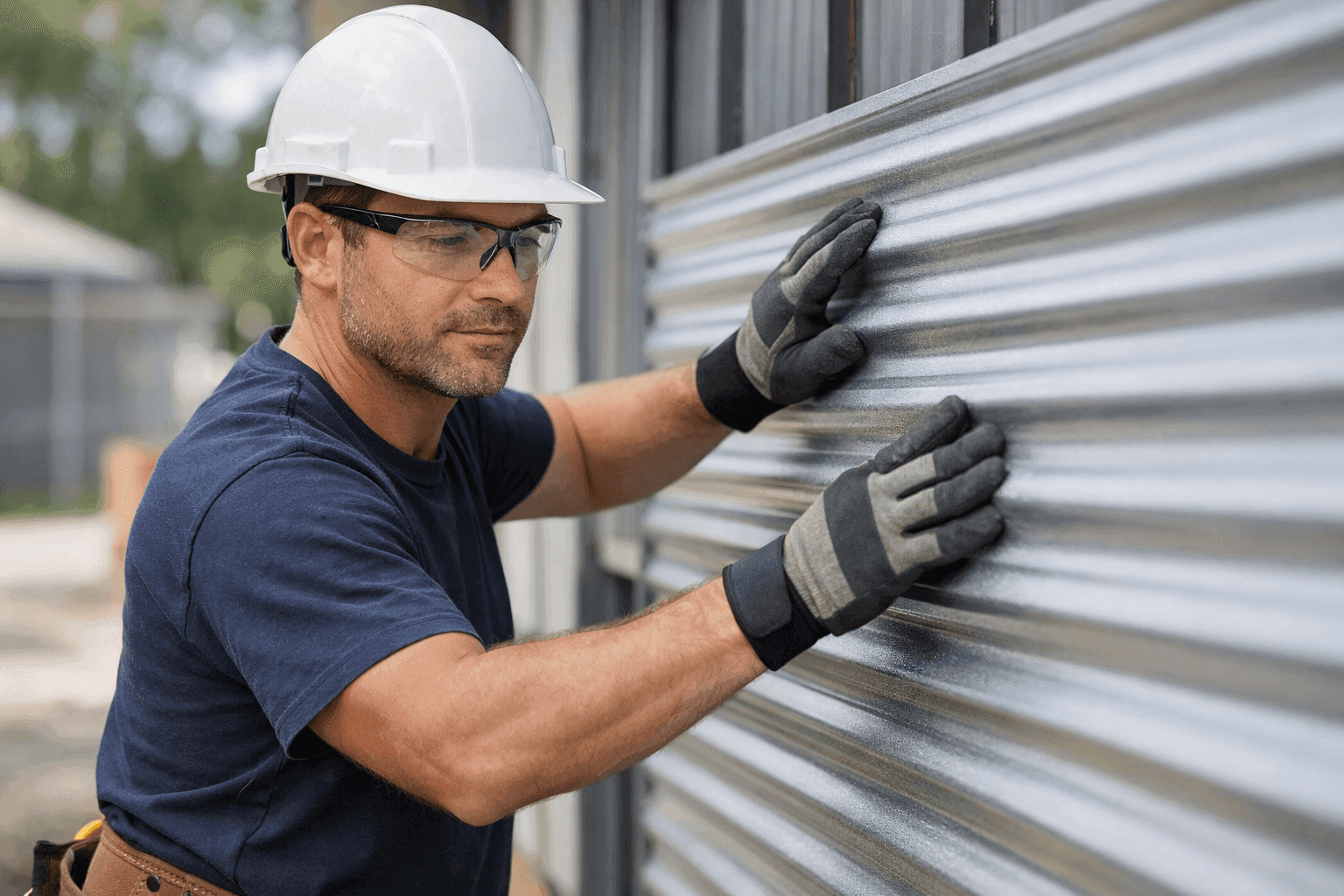
Modern buildings deserve more than just a pretty face. They need strength, style, and smarts—qualities you find in metal siding. At POM Siding, we know your property’s exterior is its shield and signature. Maybe you want a look that stands out. Maybe you need something that lasts through storms, heat, and time. You’re in the right place.
If you’ve seen metal siding shining on a neighbor’s home or wrapping a local business, you know: it’s not just for warehouses anymore. The secret? It’s in the details—and the pros who get them right.
Benefits of Metal Siding 🏢
Metal siding is more than a trend. It’s a smart investment for homeowners and business owners alike. Why? Here’s what sets it apart:
- Durability that Stands Tall: Metal resists warping, cracking, and pests. It shrugs off hail and wind. Unlike wood, it won’t rot or invite termites.
- Modern Curb Appeal: Clean lines. Sleek finishes. From bold colors to subtle shades, metal siding delivers a striking, modern look.
- Energy Efficiency: Some systems include insulation, helping you keep heating and cooling bills in check.
- Low Maintenance: Forget scraping and repainting every few years. Occasional washing keeps it looking sharp.
- Fire Resistance: Metal is non-combustible—an important safety factor in many regions.
- Eco-Friendly Options: Many products use recycled materials and are themselves recyclable.
A house wrapped in metal siding is like a knight in shining armor—protected and polished.
The Metal Siding Installation Process
Curious how metal siding goes from stacked panels to a flawless exterior? Here’s what to expect:
1. Site Inspection and Preparation
First things first: a thorough inspection. Our team checks for rot, water damage, or structural issues. Any problems are fixed before installation starts. This is the groundwork for siding that lasts.
2. Removing Old Siding
Whether you’re replacing vinyl, wood, or another material, the old has to go. Removing the previous layer exposes the sheathing and frame. It’s a bit like peeling an onion—you want to get down to the fresh layer before adding something new.
3. Weatherproofing
Next, we install a weather-resistant barrier (WRB). This helps block moisture from sneaking behind the siding. Think of it as a raincoat for your building.
4. Measuring and Cutting
Metal panels come in a range of sizes and profiles. Our crew measures every detail—windows, doors, corners—to ensure a custom fit. Panels are cut on-site for precision.
5. Panel Installation
Panels are secured with fasteners designed for metal. Careful spacing allows for the natural expansion and contraction that comes with temperature swings. Edges are sealed, and flashing is installed to direct water away from vulnerable spots.
6. Trim and Finish
Corners, joints, and edges are wrapped with trim and molding for a polished look. Soffit and fascia installation may be included for a complete exterior upgrade.
Safety Note
Proper installation is critical. The International Residential Code (IRC) and local building codes outline fastening schedules, clearance requirements, and fire safety standards. Always hire a siding professional familiar with these guidelines.
Styles and Finishes: Options for Every Taste 🎨
Metal siding doesn’t have to look cold or industrial. Today’s options are as diverse as your imagination:
- Vertical Panels: Clean, modern lines for homes or commercial buildings.
- Horizontal Lap: Mimics traditional wood siding but with extra strength.
- Shingle and Shake Profiles: For those who want the look of wood without the maintenance.
- Smooth or Textured Finishes: From matte to high-gloss, or even woodgrain textures.
- Color Choices: Powder coating, baked-on finishes, and custom colors let you match any design scheme.
Consulting with a siding color specialist can help you find the right shade for your style. If you’re not sure what fits, our Siding Color Consultation service is available.
Maintenance and Upkeep: Keeping Metal Siding at Its Best 🧼
Metal siding is famously low-maintenance, but a little care goes a long way. Here’s how to keep your investment shining:
- Routine Cleaning: A garden hose and soft brush clear away dirt and debris. For tougher stains, use mild soap.
- Inspect Regularly: Check for dents, scratches, or loose panels—especially after storms. Address small repairs early to prevent bigger issues.
- Keep Gutters Clear: Blocked gutters can cause water to pool and lead to corrosion or leaks. Regular Siding Maintenance and cleaning are essential.
- Touch Up Paint: If you notice chips or scratches, touch them up promptly to prevent rust.
- Seasonal Checks: At least twice a year—spring and fall—inspect your siding, soffit, and fascia for signs of trouble.
Metal siding rarely needs repainting or caulking, but staying alert means you’ll catch any issues before they grow.
Metal Siding for Homes and Businesses
Whether you’re upgrading a family home or giving your business a facelift, metal siding offers flexibility. It suits new construction and replacements alike. Renovating a historic property? Modern metal siding can blend in or stand out, depending on your needs.
For commercial properties, metal siding means less downtime for maintenance and more time focusing on what matters—your business.
When to Consider Siding Replacement
Is your current exterior showing its age? Signs you may need to replace siding include:
- Warped or rotting boards
- Frequent painting or repairs
- High energy bills due to leaks
- Visible mold, mildew, or water stains
If you spot these, don’t wait. Investing in new metal siding saves money and headaches down the road.
The DIY Question: Should You Install It Yourself?
Metal siding installation is a complex job. It requires special tools, technical know-how, and a sharp eye for detail. While handy homeowners can tackle small repairs, full installations are best left to professionals. Incorrect installation can void warranties and cause leaks or structural issues.
If you’re searching for “Soffit and Fascia Repair near you,” or professional siding installation, working with a team like POM Siding ensures the job is done right.
Safety First: Quick Checklist for Your Project 🦺
- Work with licensed, insured contractors
- Ask about manufacturer warranties
- Check for compliance with local building codes
- Ensure all workers use proper safety gear
The right preparation protects your investment—and everyone on-site.
Common Mistakes to Avoid
- Skimping on weatherproofing layers
- Ignoring flashing around windows and doors
- Using the wrong fasteners or spacing
- Over-tightening panels, which can cause buckling
- Failing to allow for expansion/contraction
A little planning and the right expertise make all the difference.
Timeline & Disruption: What to Expect
Most metal siding installations take a few days to a week, depending on size and complexity. Removing old siding, repairing the sheathing, and installing trim all add time. Expect some noise and debris, but a professional crew keeps disruptions to a minimum and cleans up thoroughly at the end.
Cost Factors: What Goes Into the Price
Several factors affect the cost of metal siding installation:
- Size of your home or building
- Type and finish of metal panels
- Amount of prep work or repairs needed
- Complexity (corners, windows, custom trim)
- Local labor rates
While metal siding costs more upfront than vinyl, it pays off in durability and lower long-term maintenance.
Storm Damage & Emergency Repairs
Metal siding holds up well against storms, but nothing’s indestructible. If a branch dents a panel or wind rips off trim, quick repairs prevent bigger problems. Emergency siding services get your exterior sealed up fast, keeping weather—and pests—out.
Seasonal Considerations for Metal Siding
Metal performs well in all climates, but a few tips help it last:
- In snowy areas, check for ice dams that can force water behind panels.
- In humid climates, keep vegetation trimmed away to reduce moisture buildup.
- In hot areas, lighter colors reflect sunlight and help manage cooling costs.
Proper insulation and ventilation make every season more comfortable.
Signs of Trouble: When to Call for Help
Watch for:
- Visible rust or corrosion
- Loose or rattling panels
- Water stains inside your home
- Persistent drafts or temperature swings
Spotting these early means repairs stay small—and your siding keeps doing its job.
Frequently Asked Questions About Metal Siding
Q: How long does metal siding last?
A: With proper installation and minimal upkeep, it can last 40-70 years.
Q: Does it dent easily?
A: Thicker gauges resist dents. Minor dings can be repaired or replaced.
Q: Can I change the color later?
A: Yes. Metal siding can be repainted, but it’s best to use manufacturer-recommended products.
Q: Is it noisy in the rain?
A: When properly installed with insulation, metal siding is as quiet as other materials.
Why Work with POM Siding?
We bring technical know-how, quality materials, and a commitment to your vision. You’ll see the difference in every detail—from the first inspection to the finishing touches. Our team handles projects of all sizes, for both homes and businesses.
For those looking for high-value siding installation in West Virginia, see our Charleston siding services.
Ready for a Sleek, Lasting Exterior?
Metal siding is more than a smart investment—it’s a statement of durability and design. If you’re ready for a transformation that stands the test of time, let’s get started.
Call POM Siding now — or reach us anytime at 888-870-1065 .