Is Insulated Siding Worth It? Benefits & ROI Explained
Is your home drafty in winter, or does your commercial property struggle to keep cool in July? If you’re searching for “Soffit and Fascia Repair near you,” chances are, you’re ready to tackle your building’s exterior—and want real answers about insulated siding.
We get it. Every dollar matters, and you want siding that pays for itself over time. At POM Siding, we believe in clear, data-driven advice so you can decide what’s best for your property—no sales pressure, just honest guidance.
What Is Insulated Siding?
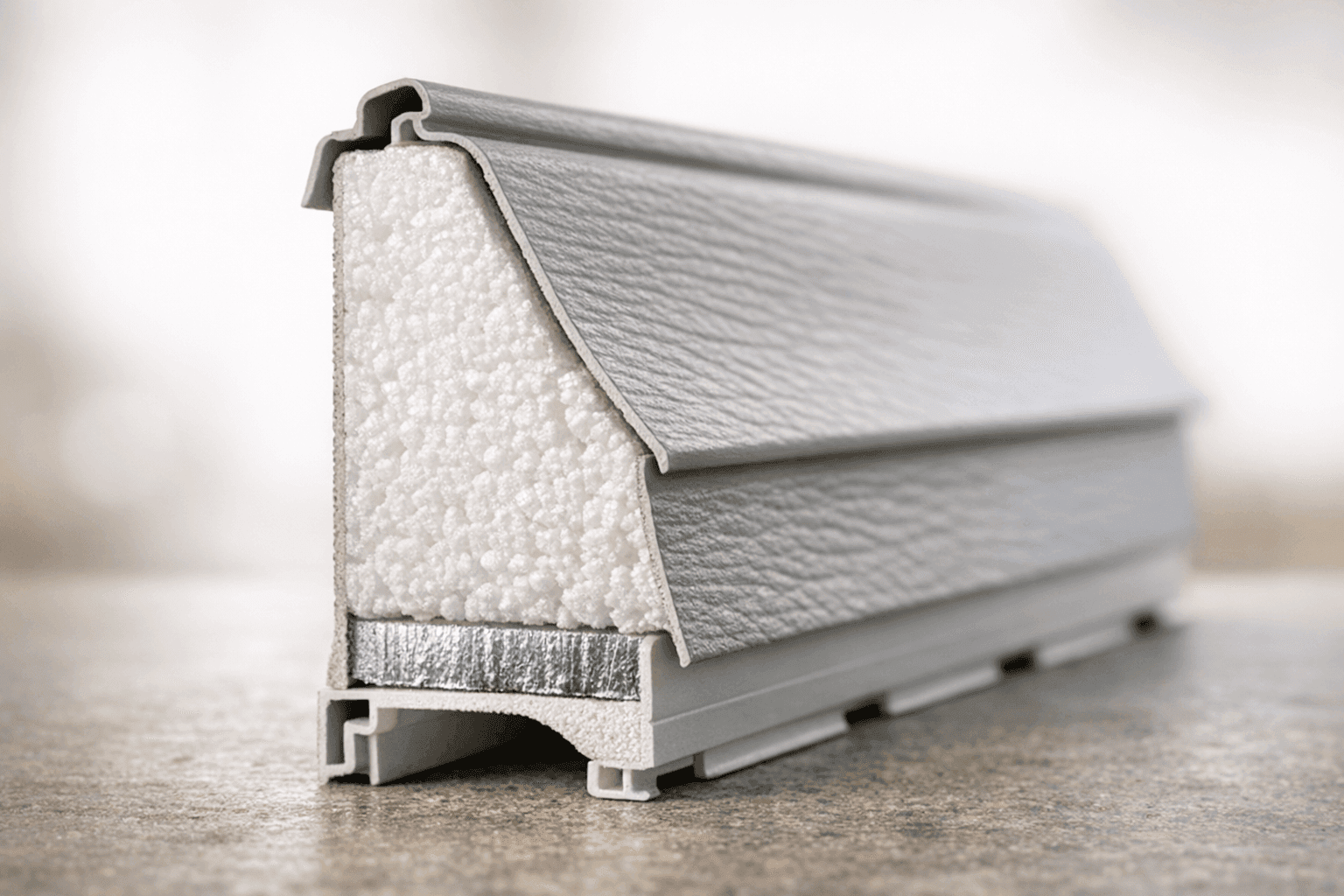
Insulated siding isn’t just regular siding with a fancy label. Picture your home wrapped in a warm, cozy jacket. That’s what insulated siding does—it’s traditional siding with a built-in layer of rigid foam insulation, such as expanded polystyrene (EPS). This foam backing helps seal up the tiny cracks and gaps that let outdoor air sneak inside.
Most insulated siding is designed as vinyl panels with attached foam, but options exist in fiber cement and even wood. The extra layer fits snugly behind the exterior, adding structure and thermal resistance.
- How it works: The insulation hugs your walls, reducing heat transfer. Think of it as a thermos for your house.
- Where it helps most: Older homes, drafty rooms, or buildings with little to no wall insulation.
- Who makes it: Major siding brands manufacture insulated lines. Always look for products that meet ASTM and local building code requirements.
Energy Savings and Comfort 🏡
The biggest reason property owners consider insulated siding? Energy bills. According to the U.S. Department of Energy, up to 35% of a home’s heat loss can slip through walls and cracks. Insulated siding acts like a windbreaker, cutting drafts and helping your HVAC system work less.
Real-World Benefits
- Reduced heating and cooling costs: Studies (such as those by ENERGY STAR) show homeowners can save up to 20% on annual energy bills after upgrading exterior insulation.
- More even indoor temperatures: Say goodbye to cold spots near walls or blazing hot rooms in summer.
- Noise reduction: That extra layer helps muffle outdoor noise—helpful on busy streets.
- Protection against moisture: Quality insulated siding sheds water and helps prevent rot or mold in wall cavities.
Who Notices the Difference?
- Homes with old, thin walls or minimal insulation
- Commercial buildings with fluctuating occupancy (and temp swings)
- Anyone looking for long-term comfort and lower energy use
Cost and ROI Analysis: Does It Pay Off?
Let’s get to the bottom line. Insulated siding usually costs 15–30% more upfront than standard vinyl or fiber cement siding. But the story doesn’t end there.
Upfront Investment
- Typical range: $8–$14 per square foot installed (varies by material and region)
- Factors: Size of the building, removal of old siding, trim work, and local labor rates
Annual Savings and Payback
- Energy savings: Average $300–$700/year (per U.S. Department of Energy and NAHB estimates)
- Payback period: Most homeowners see a return in 5–10 years, depending on energy prices and climate
- Added value: New insulated siding can boost curb appeal and resale value, especially when paired with siding replacement.
ROI Factors
- Local climate: Colder regions see faster payback
- Existing insulation: Well-insulated homes may see smaller gains, but still benefit from draft reduction
- Quality of installation: Gaps or poor fitting can cut savings in half
Choosing the Right Insulation: What Matters Most
Not all insulated siding is created equal. Picking the right product is like buying new shoes—it needs to fit your home, your climate, and your style.
Material Choices
- Vinyl: Most common, cost-effective, and comes in many colors
- Fiber cement: Durable, fire-resistant, and available with foam backing
- Wood: Less common, but some specialty products offer foam-backed options
Thickness & R-Value
- A higher R-value means better insulation. Most insulated siding ranges from R-2.0 to R-5.0.
- Local codes may require certain minimums. Ask your installer for documentation.
Color and Design
- Lighter colors reflect sun, darker tones absorb heat—factor this into your siding material consultation.
- Insulated panels come in profiles that mimic wood, shakes, or classic lap.
Quick Safety Checklist Before Starting
- Confirm product meets local building codes (check with your city’s inspection office)
- Ask for manufacturer installation instructions—cut corners, and you risk voiding warranties
- If replacing old siding, inspect for hidden water or pest damage
DIY vs. Pro Installation
Insulated siding isn’t just a weekend project. It’s heavier than standard siding, and every joint needs to be tight to keep wind and water out. A pro will:
- Remove old siding safely
- Add insulation panels and flashings in the right order
- Ensure soffit and fascia are sealed tight
- Check for proper wall ventilation
For best results (and to meet safety codes), hire a qualified team. Looking for “Soffit and Fascia Repair near you”? The same experts usually handle insulated siding jobs.
What Happens During Installation?
- Site prep and removal of old siding (if needed)
- Inspection of wall sheathing and repairs as needed
- Installation of starter strips, flashing, and insulation panels
- Careful sealing around windows, doors, and joints
- Final touches: trim, molding, soffit, fascia, and gutters as needed
Expect some noise and dust, but a typical residential job takes 2–7 days.
Prevention & Maintenance Tips
- Wash siding annually with a soft brush and mild soap
- Inspect caulking and joints for gaps every spring and fall
- Check soffit and fascia for bird or pest nests
- Keep gutters clear to prevent water staining
When Is Insulated Siding an Emergency Fix?
- Major drafts or ice dams forming inside walls
- Mold or rot around windows and eaves
- Sudden spikes in heating or cooling costs
If you notice these, address them quickly—insulation can’t fix structural damage, but it can help prevent future problems.
Seasonal Considerations
- Spring and summer are best for installation. Materials flex more easily, and weather delays are rare.
- Fall is popular too, before cold snaps make outdoor work tough.
Common Mistakes to Avoid
- Skipping vapor barriers in humid climates
- Using incompatible trim or flashing
- Not aligning panels tightly (leads to air leaks)
- Forgetting to match soffit and fascia profiles
Signs You Need Insulated Siding
- Siding is warped, cracked, or feels loose
- Walls are cold to the touch in winter
- Paint is peeling or bubbling from moisture
- Energy bills are climbing with no clear reason
Timeline & Disruption
- Plan for 2–7 days, depending on building size
- Move outdoor furniture and cover landscaping
- Talk to your installer about noise and parking
FAQ: Insulated Siding
Q: Will it change the look of my house?
A: Modern insulated siding comes in many styles and colors, so you can match your existing look or try something new.
Q: Is insulated siding good for commercial buildings?
A: Yes! It boosts energy efficiency and can help meet stricter building codes.
Q: Does it work with all wall types?
A: Most standard construction is compatible, but ask for a siding inspection if your walls are older or unusual.
Ready to Weigh Your Options?
Insulated siding is a practical, long-term investment for many homes and businesses. Weigh the upfront costs against years of energy savings and improved comfort. If you want to boost your property’s curb appeal and efficiency, insulated siding is worth serious consideration.
For more tailored help, see our full range of siding services in Westfield or reach out for a consultation.
Call POM Siding now — or reach us anytime at 888-870-1065 .