How to Inspect Your Siding: DIY vs. Professional Tips
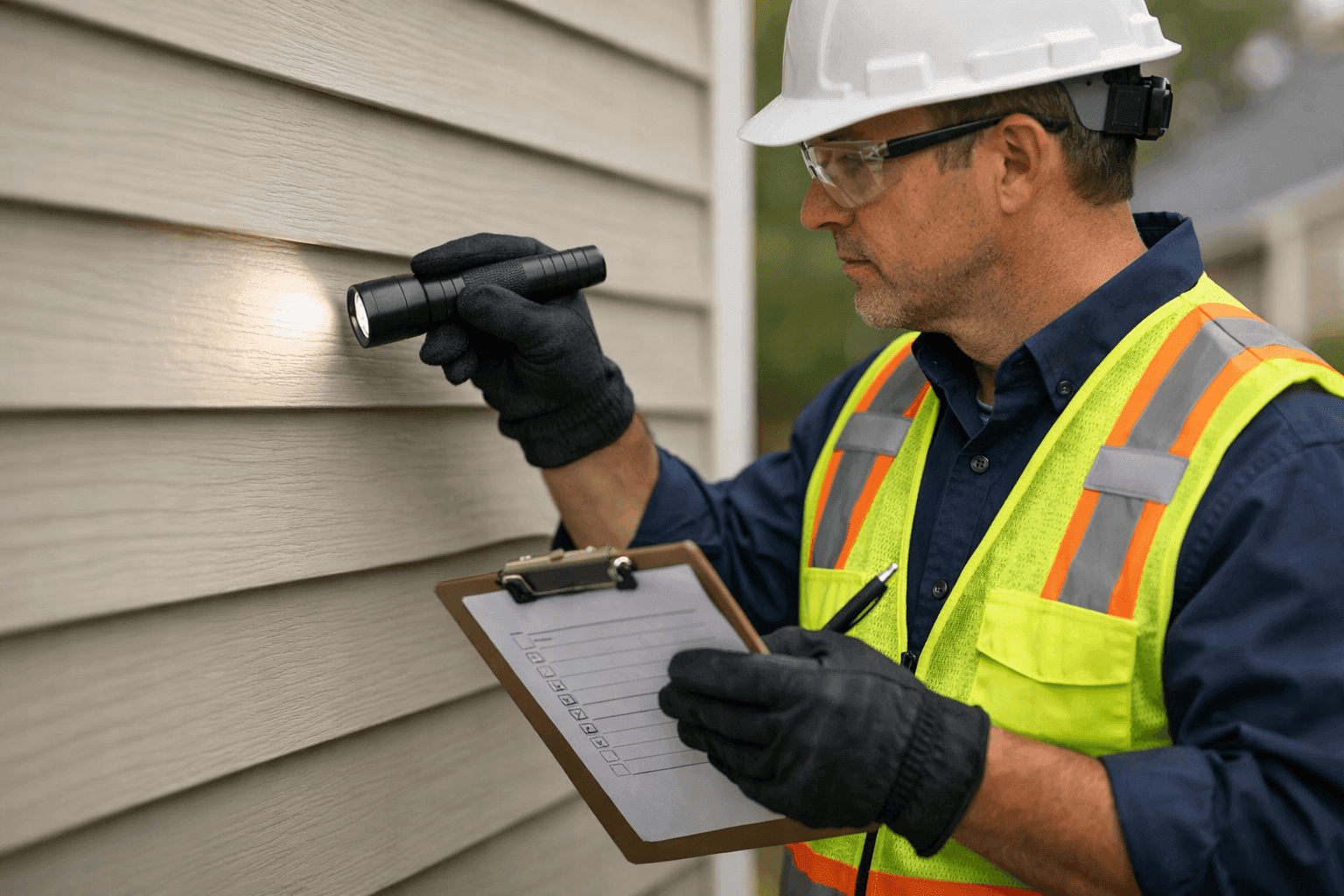
Does your siding look a little tired? Maybe you’ve noticed a few telltale signs—flaking paint, a musty smell, a board out of place. Siding can be like the skin of your house. When it’s healthy, everything underneath runs smoother.
Inspecting your siding isn’t just a weekend chore. It’s peace of mind. Whether you’re a homeowner or manage a commercial building, catching small problems early can save you from headaches (and big repair bills) down the road.
Why Inspect Siding Regularly? 🧐
Think of siding as the outer armor of your home. It takes the brunt of rain, wind, sun, and snow. Over time, even the toughest materials can show wear.
- Moisture sneaks in through cracks, leading to rot or mold.
- Pests like ants and wasps find hidden entry points.
- Weather causes warping, fading, or breaks.
Routine siding inspection helps you spot issues early—before they become costly repairs. According to the International Association of Certified Home Inspectors (InterNACHI), annual checks are recommended for both residential and commercial properties. Regular attention also helps maintain energy efficiency and curb appeal.
Quick Safety Checklist Before You Start
Safety comes first, always. Before you grab your flashlight:
- Wear sturdy shoes with good grip.
- Use gloves to protect your hands from splinters or sharp edges.
- If you need a ladder, place it on a flat, stable surface, and have someone nearby.
- Avoid inspecting during storms or icy weather.
Remember: If your siding is high off the ground or you’re unsure about safety, it’s best to call in a professional for siding inspection.
DIY Siding Inspection Checklist
You don’t need fancy tools to spot common issues. Here’s a simple step-by-step checklist for homeowners and property managers:
- Walk the perimeter: Start by circling your building. Look for any boards or panels that look out of place.
- Check for cracks, gaps, or holes: Pay close attention around windows, doors, soffits, and fascia.
- Look at the color: Fading, streaks, or stains can signal water intrusion or UV damage.
- Tap panels gently: Hollow sounds may mean the siding is loose or pulling away.
- Inspect caulk and sealant: Crumbling or missing caulk lets water sneak in.
- Scan for mold, mildew, or rot: Especially near the base and shaded sides.
- Gutters and downspouts: Make sure they’re firmly attached and not letting water run behind siding.
- Soffit and fascia areas: Watch for sagging, peeling paint, or animal nests.
- Metal and vinyl: Look for warping, rust, or loose fasteners.
- Stucco and fiber cement: Check for cracks, bulges, or powdery residue.
Keep a notepad. Jot down anything that feels off, even if you’re not sure what it means.
What Professionals Look For 🔎
While DIY checks are valuable, siding professionals bring a trained eye—like a mechanic listening to an engine. Here’s what POM Siding pros focus on during a siding-inspection:
- Hidden moisture: Using moisture meters to find rot you can’t see.
- Structural movement: Tiny shifts, often invisible to the untrained eye, that can cause bigger problems over time.
- Flashing and ventilation: Improper flashing leads to leaks; poor ventilation causes trapped moisture.
- Insulation performance: Siding pros check for drafts or cold spots that signal insulation issues.
- Code compliance: Ensuring materials and installation meet local building codes.
- Storm damage: Subtle hail impact, wind-lifted panels, or storm-weakened fasteners.
- Material-specific red flags: Each material (wood, vinyl, metal, fiber cement, stucco) has its own quirks.
We also inspect trim, molding, soffit, fascia, and gutter systems for signs of trouble. That’s why a professional inspection often uncovers issues DIY checks might miss.
DIY vs. Professional: Know Your Limits
DIY inspection is like checking the oil in your car. It’s smart, it’s preventative, and it helps you spot obvious warning signs. But just as you’d visit a mechanic for a strange rattle, some siding issues need a pro.
DIY is best for:
- Noticing visible damage or change
- Checking caulk, paint, and gutters
- General maintenance between pro visits
Professional evaluation is best for:
- Persistent leaks or unexplained moisture
- Large or high-up areas
- Unusual stains, odors, or soft spots
- Suspected storm, fire, or pest damage
If you’re ever in doubt, lean on a professional. It’s about protecting what matters most.
Signs Your Siding Needs Attention
Some problems shout. Others whisper. Watch for:
- Bulging or warped panels
- Peeling paint or bubbling surfaces
- Soft, spongy spots under pressure
- Water stains inside or outside your walls
- Insects or rodents inside attic or crawlspaces
- Unexplained spikes in energy bills
Spotting these early means smaller, faster repairs—and less risk of hidden damage.
Common DIY Mistakes to Avoid ⚠️
- Ignoring small cracks: They grow faster than you think.
- Painting over rot: This only hides the problem.
- DIY caulking with the wrong materials: Not all caulks are siding-safe.
- Skipping ladder safety: Falls are a leading cause of home injuries.
- Not checking after storms: Wind and hail can damage siding in ways that aren’t obvious.
When in doubt, snap a photo and ask a siding pro for advice.
When to Call an Expert
There’s a time for rolling up your sleeves—and a time to reach out. Call for a professional siding-repair or siding-maintenance service if:
- You find moisture inside your walls or attic.
- Siding panels are loose, falling, or missing.
- Storms or accidents cause visible damage.
- You see signs of mold, rot, or animal entry.
- Your building’s exterior hasn’t been checked in over a year.
For complex materials like stucco, fiber cement, or metal, or if you need Soffit and Fascia Repair near you, expert inspection is your safest bet.
How Often Should You Inspect Siding?
- Residential: At least once a year, plus after major storms.
- Commercial: Twice yearly is ideal—spring and fall.
- After big weather events: Always check for hidden storm damage.
Regular inspection is like a tune-up. It keeps your siding strong and your property looking its best.
Siding Inspection Tools & Materials
For DIY:
- Flashlight
- Binoculars (for hard-to-reach areas)
- Small screwdriver (to test for rot)
- Notepad and pen
- Work gloves
Professionals may use:
- Moisture meters
- Thermal imaging cameras
- Specialized ladders and harnesses
Seasonal Considerations 🌦️
- Spring: Check for winter storm or ice damage.
- Summer: Look for sun-fading or warping.
- Fall: Inspect before cold, wet weather returns.
- Winter: Watch for ice dams and gutter clogs.
Some repairs—like caulking or painting—are best done in mild, dry weather.
Siding and Building Codes
Proper siding isn’t just about looks. Building codes (like those from the International Residential Code or local ordinances) ensure siding is installed and maintained for safety, weather resistance, and energy efficiency. Professionals stay up to date so your home or business stays compliant.
Siding Inspection for New Construction
Building a new home or commercial space? Early inspection is vital. It catches installation errors before they cause lasting problems. Always ask your builder for a post-installation check—and consider an independent review.
Siding Warranties and Maintenance Records
Keep records of all inspections, repairs, and maintenance. Many siding warranties require proof of regular care. A quick log or folder can save you time and money if you need to make a claim.
Emergency Siding Situations
- Major storm damage
- Water pouring behind siding
- Large panels ripped loose
- Sudden pest infestations
If you notice these, treat them like a burst pipe—call for emergency siding services right away for prompt siding help.
How to Maintain Siding Between Inspections
- Clean siding annually with mild soap and water.
- Trim shrubs and trees away from exterior walls.
- Repaint or reseal wood as needed.
- Check caulk and flashing after heavy rain.
- Keep gutters clear to prevent water overflow.
Small steps add up to major savings over time.
Your siding works hard, day and night. Give it the attention it deserves—whether you’re inspecting it yourself or bringing in a professional. Early action keeps your home or business safe, energy-efficient, and beautiful for years to come.
Call POM Siding now — or reach us anytime at 888-870-1065 .