How to Inspect Siding for Winter Damage
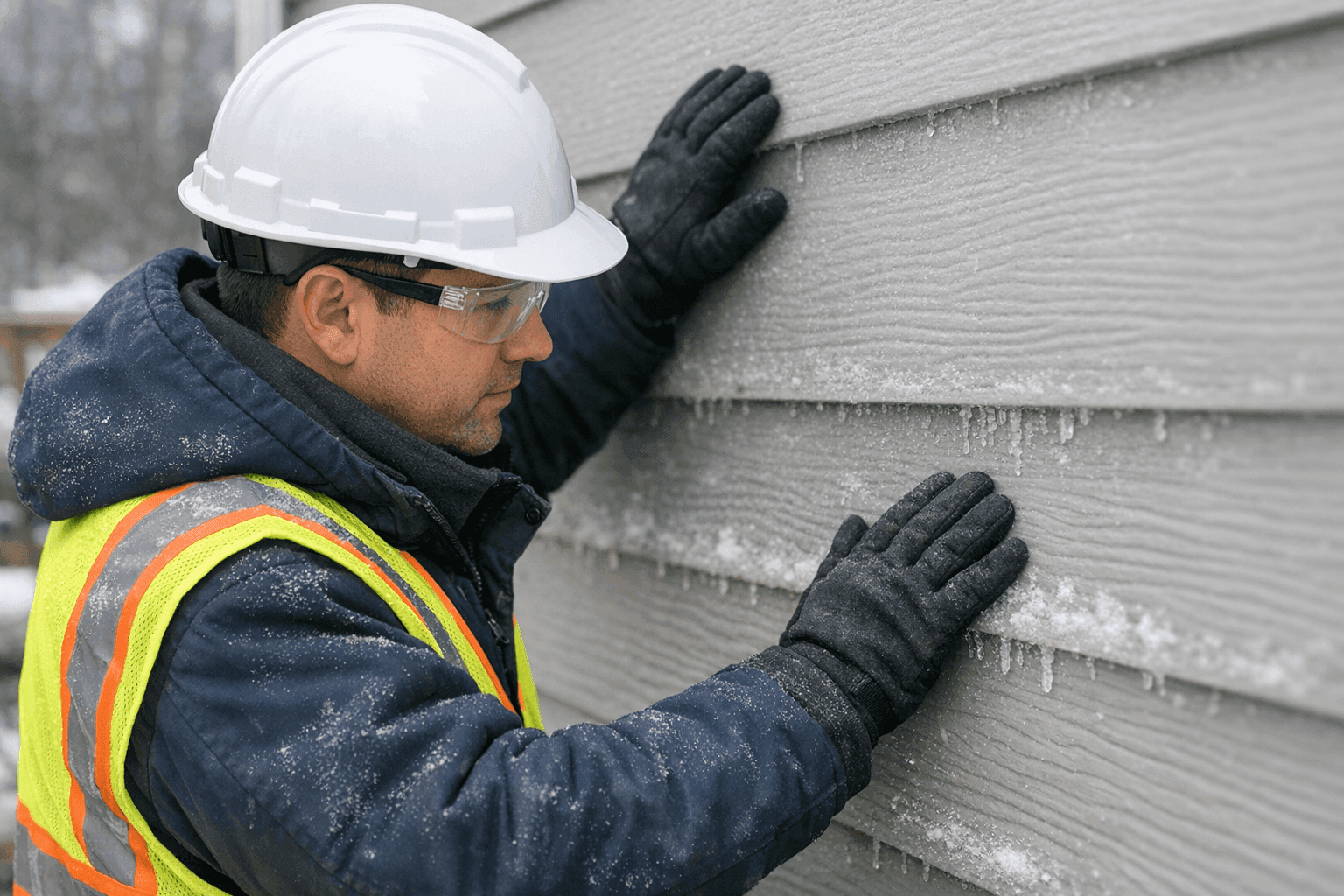
When winter winds howl, your siding stands guard. But even the toughest exterior can show wear after months of freeze, thaw, and icy storms. Homeowners and property managers alike know: winter damage isn't always obvious—until it’s too late.
At POM Siding, we’ve seen it all. Splintered trim, warped panels, stubborn stains, and the subtle cracks that let moisture creep in. Knowing what to look for after winter can save your property from bigger headaches down the line.
Why Winter Threatens Siding 🧊
Old Man Winter has a bag of tricks: biting winds, heavy snow, pelting ice. Each brings its own risks.
- Freeze-Thaw Cycles: Water seeps into tiny cracks, freezes, and expands. Over and over. What starts as a hairline split in your siding can become a visible gap by spring.
- Ice Dams: When gutters clog and snow melts unevenly, water backs up under soffit and fascia. This hidden moisture can rot wood or corrode metal beneath the surface.
- Wind Damage: Winter gusts tug at loose panels, especially around corners and trim. Even a single storm can leave siding rattling or dislodged.
- Persistent Moisture: Snow drifts that linger against siding keep the lower boards wet, inviting mold, mildew, and decay.
If you’re searching for Soffit and Fascia Repair near you, these winter hazards are a strong reason to stay proactive.
What to Look For After Winter
Early spring is the perfect time for a siding checkup. Walk slowly around your property and keep your eyes peeled for:
- Cracks or Splits: Look closely at joints, corners, and any places where panels meet trim or molding.
- Warped or Buckled Panels: Boards that bulge or wave may have trapped moisture.
- Loose or Missing Pieces: Pay special attention to soffits, fascia, and edges where wind may have pulled panels away.
- Stains and Discoloration: Brown or green streaks could mean water intrusion or algae growth.
- Soft Spots: Press gently on wood or fiber cement siding. Spongy areas signal rot.
- Peeling Paint or Caulk: Peeling often means underlying moisture.
- Gaps at Seams: Even small separations let in water and pests.
Don’t forget to check gutters and downspouts. Overflow can damage siding just as quickly as faulty panels.
Quick Safety Checklist Before You Inspect
Before you start, a few safety reminders:
- Wait for a dry, mild day to avoid icy slips.
- Use a sturdy ladder on level ground if you need to reach higher sections.
- Wear gloves and eye protection—sharp siding edges and old fasteners can surprise you.
- If you spot mold or large sections of rot, avoid direct contact.
DIY or Call a Professional?
Some small repairs—like tightening a loose panel or touching up paint—are within reach for handy homeowners. But extensive cracking, mysterious stains, or anything involving soffit and fascia usually calls for a specialist. Incorrect fixes can trap moisture or void your warranty.
If you’re unsure, schedule a professional siding inspection. Trained eyes catch problems you might miss, and licensed crews know local building codes and safety standards inside out.
What POM Siding Pros Do On Arrival
When our crew arrives, here’s what happens:
- Full walkaround inspection, noting cracks, gaps, and storm damage.
- Check hidden areas: behind gutters, under eaves, around trim and flashing.
- Test for loose panels and soft spots.
- Measure moisture levels with specialized tools.
- Advise on repair or replacement options, from simple patching to full panel swaps.
We document everything with photos and clear notes, so you know exactly where your siding stands.
Prevention Starts Now: Maintenance for Next Winter 🌨️
A stitch in time saves nine. Get ahead of next winter with these tips:
- Seal and Caulk: Fill gaps around windows, doors, and trim before cold returns.
- Fresh Paint or Sealant: Especially for wood siding—protects against moisture.
- Clear Gutters: Ensure water flows freely away from siding and foundation.
- Trim Overhanging Branches: Prevent branches from scraping or dropping snow loads on siding.
- Upgrade Insulation: Proper insulation reduces ice dams and condensation.
- Consider Siding Weatherproofing: Modern sealants and wraps add a crucial layer of defense. Learn more about siding weatherproofing solutions.
How to Fix Common Cold-Weather Siding Damage
Every type of siding has its own quirks. Here’s a quick guide:
- Vinyl Siding: Replace severely cracked or broken panels. Minor chips can be sealed with color-matched caulk.
- Wood Siding: Patch small splits with exterior wood filler; sand and repaint. Rotted boards should be replaced.
- Fiber Cement: Replace damaged boards. Paint touch-ups help maintain a barrier.
- Metal Siding: Remove rust, prime, and repaint. Replace dented or corroded panels.
Don’t forget flashing and trim. Damaged flashing can let water sneak behind siding—one of the most common sources of hidden leaks.
Gutter and Soffit Issues: Don’t Overlook the Small Stuff
A clogged gutter can turn a trickle into a flood. Check for:
- Sagging or detached gutters
- Blocked downspouts
- Water stains on soffits and fascia
Gutter repair and soffit inspection go hand-in-hand with siding maintenance. When in doubt, ask about combo services to tackle it all at once.
Siding Repair Timelines & Expectations
Simple repairs—like swapping a cracked panel or resealing joints—can often be handled in a single visit. Larger problems, such as storm damage or extensive rot, might require multiple days and special order materials.
Keep in mind: spring is busy season for siding repairs. Scheduling early avoids delays.
When Is It an Emergency?
If you spot exposed insulation, sagging panels, or water actively dripping inside, act fast. These are urgent issues that can lead to mold, structural damage, or pest infestations.
POM Siding offers prompt, professional help for emergencies and routine fixes alike.
Common Mistakes to Avoid
- Ignoring small cracks or stains (“It’s just cosmetic!”)
- Using indoor caulk instead of exterior-grade materials
- Painting over wet or moldy siding
- Forgetting to check behind shrubs and bushes
- Skipping annual inspections
A little attention now prevents costly repairs later.
Materials & Tools: What You’ll Need
- Flashlight and binoculars for close-up checks
- Heavy-duty gloves and safety glasses
- Pry bar for loose panels (if you know what you’re doing)
- Exterior caulk, wood filler, and matching paint for small fixes
For anything more, professional-grade tools and safety gear are a must.
Siding Inspection FAQs
How often should I inspect my siding?
At least twice a year—once after winter, once before fall. Heavy storms or visible damage warrant a checkup anytime.
What if storms are frequent in my area?
Consider siding materials designed for extreme weather, like fiber cement or metal. Ask about custom siding solutions if your needs are unique.
Does homeowner’s insurance cover siding damage?
Sometimes. Coverage often depends on the cause (storm vs. wear and tear) and your policy details. Document everything with photos.
What about building codes and siding?
Local codes set minimum standards for installation, repair, and materials. POM Siding always works to code (see International Residential Code for reference).
Don’t Let Winter Win: Next Steps
Your siding is more than a shell—it’s your property’s first line of defense. Whether you’re a homeowner, a property manager, or responsible for a commercial building, a careful spring inspection is the best way to keep problems small.
If you’re looking for a siding company that knows the signs of winter damage inside and out, our Annapolis siding repair team is ready to help with professional, thorough service.
Call POM Siding now — or reach us anytime at 888-870-1065 .