The Impact of Siding on Indoor Comfort
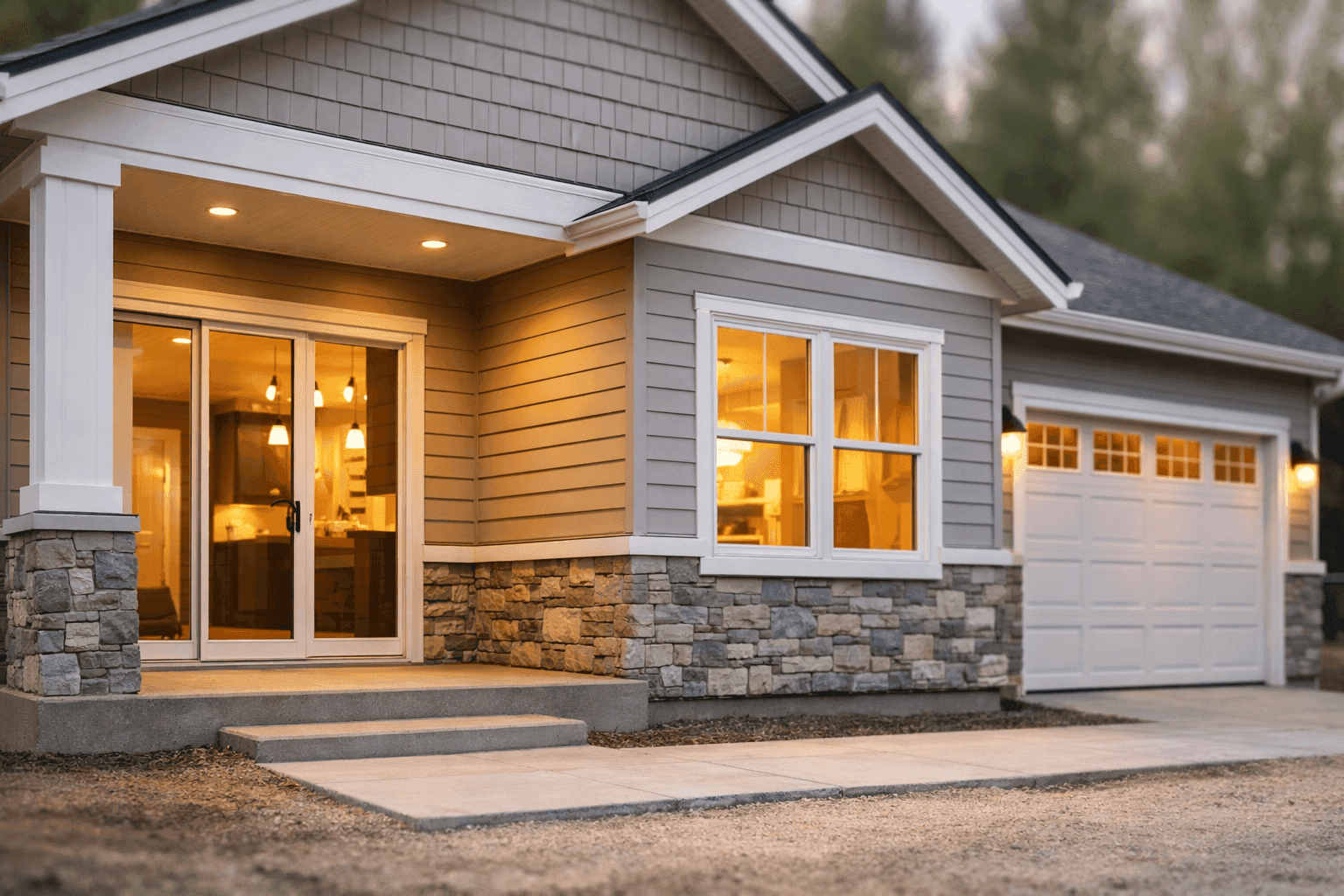
When you step inside your home or business, you expect a sense of calm. The air feels just right—never stifling, never drafty. That comfort? It doesn’t just happen by chance. It’s built from the outside in, starting with your siding.
At POM Siding, we know siding is more than a shell. It’s your building’s first handshake with the weather, and it shapes how every room feels. Whether you own a home or manage a commercial property, understanding siding’s role in indoor comfort can save you headaches—and money—season after season.
Siding’s Role in Comfort 🏡
Think of siding as your building’s coat. It’s what stands between you and the elements. But it’s not just about looks or curb appeal. Siding protects your interior from wind, rain, and sun. It also helps lock in the right temperature, making those cold snaps less biting and summer heat waves less oppressive.
- Blocks drafts and wind infiltration.
- Shields against rain and snow.
- Reduces temperature swings inside.
If your siding is damaged, worn out, or poorly installed, it’s like wearing a thin jacket in a blizzard. You’ll feel every gust and chill. That’s why regular siding inspection and timely repairs make a real difference in daily comfort.
Insulation and Air Sealing
Siding alone isn’t a magic blanket. The real comfort comes from the partnership between siding, insulation, and air sealing. Imagine insulation as your home’s sweater, while siding is the raincoat. Together, they keep you cozy and dry.
Modern siding, when paired with professional insulation installation, closes the gaps that let heat escape in winter or sneak in during summer. The U.S. Department of Energy points out that air leaks through the envelope (walls, siding, trim) can account for up to 30% of a building’s energy use. Sealing up these leaks means:
- Lower energy bills.
- Fewer cold spots in winter.
- Even temperatures from room to room.
- Less strain on your HVAC system.
A solid air barrier also means fewer “mystery drafts” or rooms that never seem to reach the right temperature. For best results, ask a siding professional to assess your home’s current setup before you upgrade or replace your siding.
Moisture and Temperature Control 💧
Moisture is sneaky. Left unchecked, it can creep behind siding, leading to rot, mold, and ruined insulation. Proper siding, soffit, and fascia installation forms a shield that directs water away—just like a good umbrella funnels rain off your shoulders.
Siding acts as the first defense. Flashing, caulking, and well-sealed trim add extra layers of protection. The International Residential Code (IRC) requires weather-resistant barriers behind siding for this very reason. If you’ve spotted peeling paint, warped boards, or musty smells, moisture might be getting in where it shouldn’t.
Here’s what you can do:
- Inspect siding and trim annually for cracks or gaps.
- Schedule siding replacement when panels show signs of warping or rot.
- Make sure soffit and fascia are intact—these keep water and pests out of your attic.
Good siding keeps moisture out and helps your indoor air stay fresh and comfortable, year-round.
Material Choices for Comfort
Every siding material has its own personality. Some are like heavy winter coats; others are more like light windbreakers. The right choice impacts not just indoor comfort, but also maintenance, durability, and even soundproofing.
Popular materials and their comfort perks:
- Vinyl Siding: Affordable, low-maintenance, and decent at blocking drafts. Needs professional caulking and sealing.
- Fiber Cement: Durable and fire-resistant. Offers solid thermal performance, especially with added insulation.
- Stucco: Breathable and great for dry climates. When installed with moisture barriers, it can also handle wet weather.
- Wood Siding: Natural insulation properties. Needs regular care to keep out water and pests.
- Metal Siding: Reflects sunlight, which helps in hot climates. When paired with modern insulation, it keeps interiors cool and quiet.
Not sure what fits your project? A siding material consultation can walk you through options tailored to your climate, budget, and comfort goals.
Quick Safety Checklist
Before making changes, safety comes first. Here are simple checks you can do:
- Walk the perimeter and look for loose panels or exposed nails.
- Check for water stains or mold inside near exterior walls.
- Listen for rattling or whistling on windy days.
- If you see large cracks or holes, it might be time to call a pro.
For big repairs or new installations, always follow local building codes and safety guidelines from authorities like the International Code Council.
DIY vs. Call a Pro
Tempted to fix that siding crack yourself? For small caulking jobs or cleaning, DIY can work. But when panels are loose, insulation is exposed, or you suspect hidden moisture, professional help is the safer bet.
Pros have the right tools and know how to spot underlying issues. They’ll also make sure your home meets code and is protected for years ahead.
What Pros Do On Arrival
When a siding specialist arrives, here’s what to expect:
- Full inspection of siding, soffits, fascia, and trim.
- Moisture meter checks to find hidden leaks.
- Recommendations based on your building’s unique needs.
- Clear explanation of options and next steps.
No guesswork. Just real answers and a plan for comfort.
Prevention & Maintenance 🛠️
A little upkeep goes a long way. Here’s how to keep your siding working its hardest:
- Clean siding with mild soap and water twice a year.
- Check for loose trim after storms.
- Re-caulk joints as needed, especially in older homes.
- Schedule regular siding inspections—catch small problems before they grow.
Staying ahead of maintenance protects your comfort and your wallet.
Costs & Time Factors
Siding upgrades are an investment. Costs depend on material, building size, and the scope of work. Insulation and air sealing might add to the budget, but they pay off through energy savings and fewer repairs down the road.
- Vinyl and metal are usually quicker and less expensive to install.
- Fiber cement and wood take more time and skill, but last longer.
- Weather and building codes may affect your project timeline.
A pro can give you a realistic estimate that includes all the details—no surprises.
When It’s an Emergency
Sometimes, comfort issues become urgent. Major storms, fire, or sudden leaks demand fast action. If you notice:
- Water pouring in.
- Siding ripped off by wind.
- Large holes exposing insulation.
Don’t wait. Emergency siding services can patch things up and prevent bigger damage.
FAQ: Siding & Indoor Comfort
Q: Will new siding really lower my energy bills?
A: Yes—especially when paired with proper insulation and air sealing.
Q: Can siding help with noise?
A: Some materials, like fiber cement and insulated vinyl, dampen outside sounds for a quieter indoors.
Q: How often should siding be replaced?
A: Most siding lasts 20–40 years, but weather and maintenance make a difference.
Seasonal Considerations 🍂
Your comfort needs change with the seasons. In winter, airtight siding and insulation keep warmth in. In summer, reflective or lighter-colored siding helps prevent overheating.
- Before winter: Inspect for gaps, add caulk, and check attic ventilation.
- Before summer: Clean siding, check for sun damage, and ensure all vents are clear.
Smart seasonal checks pay off when temperatures swing.
Common Mistakes
- Ignoring small cracks or warped boards.
- Skipping annual cleaning or caulking.
- Choosing siding without considering insulation needs.
- Overlooking soffit and fascia repairs—these matter!
Don’t let small issues snowball into comfort problems.
Signs of Trouble
Watch for:
- Sudden spikes in energy bills.
- Drafts or hot/cold spots indoors.
- Visible mold or water stains.
- Siding that looks loose, warped, or faded.
These are red flags. Address them early to protect your comfort.
Timeline & Disruption
Worried about the mess? Most siding jobs take a few days to a couple of weeks, depending on weather and project size. Pros keep disruption minimal—removing old panels, installing new ones, and cleaning up fast.
Ask your contractor about the expected timeline, especially for large commercial projects.
Materials & Equipment
Quality matters. Reputable installers use:
- Weather-rated fasteners and flashing.
- Moisture barriers that meet code.
- High-performance caulks and sealants.
- Safe, up-to-date tools.
Cutting corners with materials or installation puts your comfort at risk.
Your Next Step Toward Comfort
Ready to feel the difference new siding can make? Whether you’re looking for Soffit and Fascia Repair near you, insulation upgrades, or just want to know your options, POM Siding is here to help. For those searching for reliable siding services in Casper, our team brings years of know-how, careful attention, and a dedication to your comfort.
Call POM Siding now — or reach us anytime at 888-870-1065 .