How to Paint Siding for a Fresh, Lasting Finish
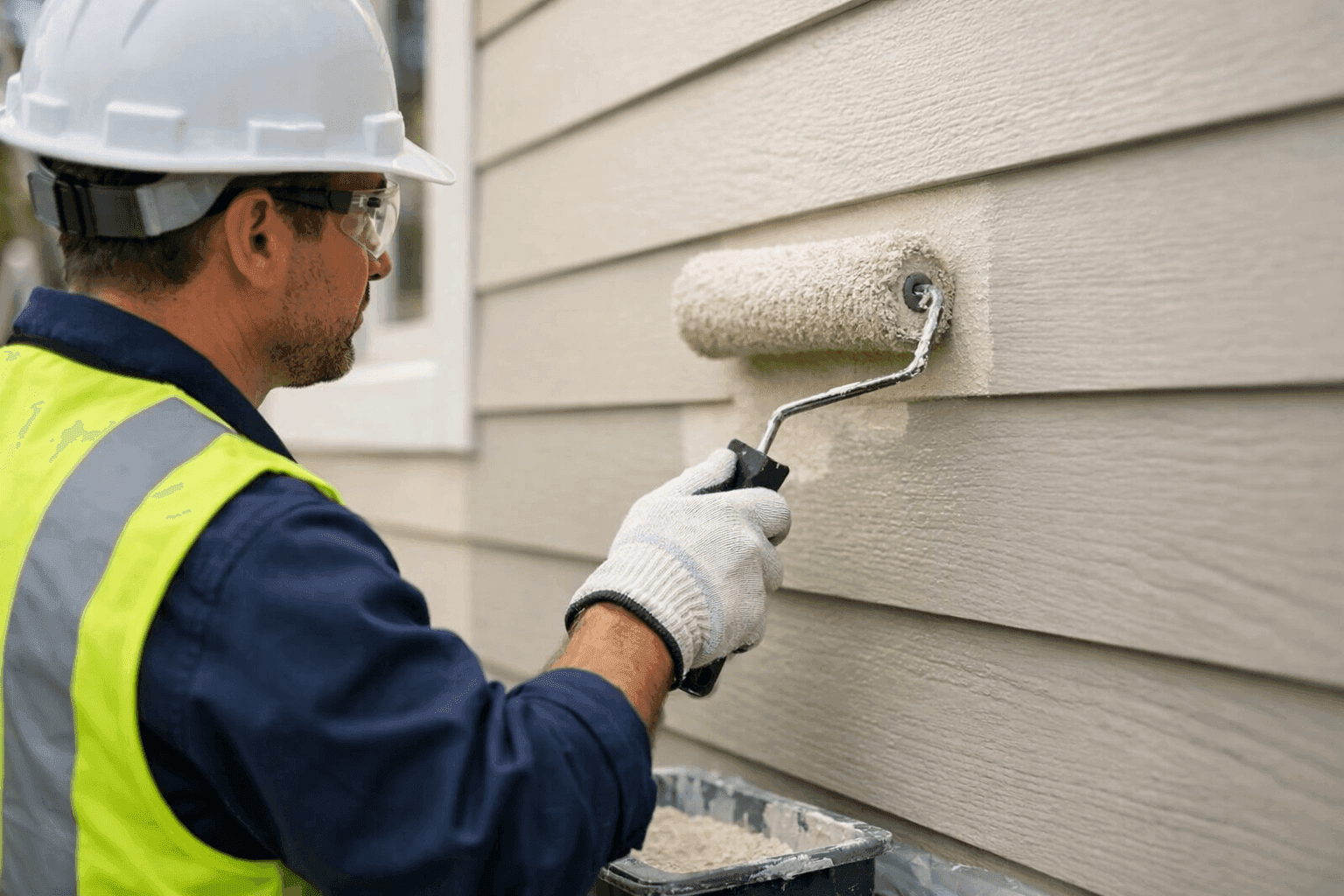
Nothing lifts the look of your home or business quite like a fresh coat of paint on the siding. Faded color, peeling, or dullness can make even the sturdiest building appear tired. At POM Siding, we’ve seen how a well-done paint job not only restores curb appeal but also protects your investment for years.
But painting siding is more than a weekend project. Done right, it shields your property from the elements and elevates the entire neighborhood. Here’s how to achieve a finish that looks great—season after season.
When Should You Paint Siding? ⏳
Timing matters. Paint too soon and you waste effort; wait too long and damage sets in. Here’s how to know:
- Fading, Chalking, or Peeling: If your siding is losing its color, feels powdery, or paint flakes off in your hand—it’s time.
- Visible Cracks or Mold: Stains, black streaks, or cracks in the old paint invite deeper problems.
- After Major Repairs: If you’ve had Siding Painting, repainting ensures everything matches and is sealed tight.
Best Weather for Painting:
Aim for dry weather. Temperatures between 50–85°F with low humidity give paint the best chance to bond and cure. Avoid painting in direct, harsh sunlight or right before rain.
How to Prepare Siding for Painting
Preparation is the foundation of a lasting finish. Like baking, you can’t rush the setup.
-
Thorough Cleaning:
Remove dirt, mildew, and loose paint with a pressure washer or scrub brush. For deep grime, a mix of water and gentle detergent works wonders. Let the siding dry completely—this can take 24–48 hours.- See siding cleaning for more on proper wash techniques.
-
Repairs First:
Inspect for damaged boards, loose nails, or gaps. Patch cracks with exterior-grade filler. Replace rotten trim and secure loose soffits or fascia. -
Scrape and Sand:
Remove all loose or peeling paint. Lightly sand glossy surfaces to help new paint grip. Don’t skip this—it’s the difference between a week-long facelift and a finish that sticks. -
Priming:
Bare wood, patched spots, and chalky surfaces need primer. Oil-based primer blocks stains; acrylic primer is great for most siding types. Always check the paint manufacturer's recommendations.
Painting Process and Product Tips
Time for color. But the right method makes all the difference.
-
Brush, Roll, or Spray:
- Brushes are best for small areas, trim, and tight spaces.
- Rollers cover broad, flat panels quickly and evenly.
- Sprayers deliver smooth coverage on large, open walls but require careful masking.
-
Two Thin Coats Beat One Thick:
A heavy coat can sag or peel. Two light layers dry harder and last longer. -
Allow Proper Drying:
Follow the paint can’s instructions for drying times between coats—usually 2–4 hours. Too soon, and you risk bubbles or streaks. -
Choose Durable Finishes:
Satin or low-luster finishes hide surface flaws and clean up easily. For offices or high-traffic areas, premium exterior acrylics offer stronger UV and weather resistance.
How to Maintain Painted Siding
A little care keeps your paint job fresh for years.
-
Annual Rinse:
Hose down siding every spring to remove dirt and pollen. For stubborn spots, use a mild detergent and soft brush. -
Spot Repairs:
Touch up scratches or chips as soon as you spot them. Left open, raw wood or fiber cement absorbs water and can rot. -
Inspect for Trouble:
Once a year, check for peeling, blistering, or caulking gaps—especially after heavy storms. Early fixes prevent much bigger headaches. -
Caulking and Sealing:
Reapply high-quality exterior caulk around windows, doors, and joints as needed to block water intrusion.
Quick Safety Checklist
Before you open that first can of paint, review these basics:
- Wear gloves and eye protection.
- Use sturdy ladders on level ground. Never stretch to reach.
- Keep paint and solvents away from open flames.
- Dispose of leftover materials per local environmental codes (EPA guidelines apply).
DIY or Call a Pro?
Painting siding can be satisfying, but it’s demanding. If your siding is more than one story up, has old lead paint (pre-1978), or extensive damage, consider calling professionals like POM Siding. The right tools and experience mean less disruption—and a safer job.
What to Expect When Pros Arrive
Here’s our usual approach:
- Complete siding inspection, including soffit and fascia.
- Detailed cleaning and prep—no shortcuts.
- High-quality primers and finish coats selected for your siding material and climate.
- Every edge, corner, and trim meticulously addressed.
- Thorough clean-up, so you enjoy the result right away.
Prevention & Siding Maintenance Tips
Think of paint as a raincoat for your home. It needs regular checks to stay effective.
- Clean gutters to prevent overflow and water stains.
- Trim back shrubs or trees to reduce moisture exposure.
- Keep up with siding maintenance for long-term protection.
Seasonal Painting Considerations
- Spring and Fall:
These are best for painting—mild temps and stable weather make for smooth drying. - Summer:
Work in the morning or late afternoon to avoid blistering heat. - Winter:
Only paint if temps stay above 50°F for several days.
Common Mistakes to Avoid
- Skipping prep work—never paint over dirt or loose paint.
- Painting in damp or freezing weather.
- Choosing indoor paint for outdoor siding—always use exterior-grade.
- Ignoring repairs, which causes paint to fail prematurely.
Signs Your Siding Needs More Than Paint
Sometimes, paint can’t fix underlying issues. Watch for:
- Warped or rotten boards.
- Large, spreading cracks.
- Blistering or bubbling after paint dries.
If you notice these, it may be time for siding repair or replacement. Our team can help you assess the best next steps.
Costs & Time Factors
Painting siding is an investment. DIY can save on labor, but factor in the cost of quality paint, primers, brushes, ladders, and safety gear. For a typical home, expect the project to span several days, including prep and drying time.
How Long Does Painted Siding Last?
With proper prep and quality products, painted siding can look great for 7–10 years. Harsh climates or intense sun shorten this, while regular maintenance stretches it longer.
Pro Technique Tips for a Flawless Finish
- Work top to bottom to catch drips.
- Keep a wet edge when rolling or brushing.
- Use painter’s tape for crisp lines on trim and molding.
- Check local building codes for exterior painting requirements—some areas restrict colors or types of paint.
Frequently Asked Questions
Q: Can all siding be painted?
A: Most types—wood, fiber cement, and some vinyl—can be painted. Check manufacturer guidelines or consult with a pro.
Q: Should I remove old paint?
A: Only loose or peeling sections. Stable, well-adhered paint provides a solid base.
Q: How do I choose the right color?
A: Consider your roof, trim, neighborhood, and sunlight exposure. POM Siding offers full siding color consultations.
Siding Painting for Charleston and Beyond
Looking to refresh your home’s exterior? For reliable siding painting in Charleston, trust the team that handles every detail—from prep to cleanup.
Ready for a Lasting Fresh Look?
Painting your siding is more than a weekend project—it’s the first impression your home gives to the world. For questions, color consults, or to schedule a professional siding assessment, reach out to POM Siding today.
Call POM Siding now — or reach us anytime at 888-870-1065 .