How Often Should You Replace Exterior Trim and Molding?
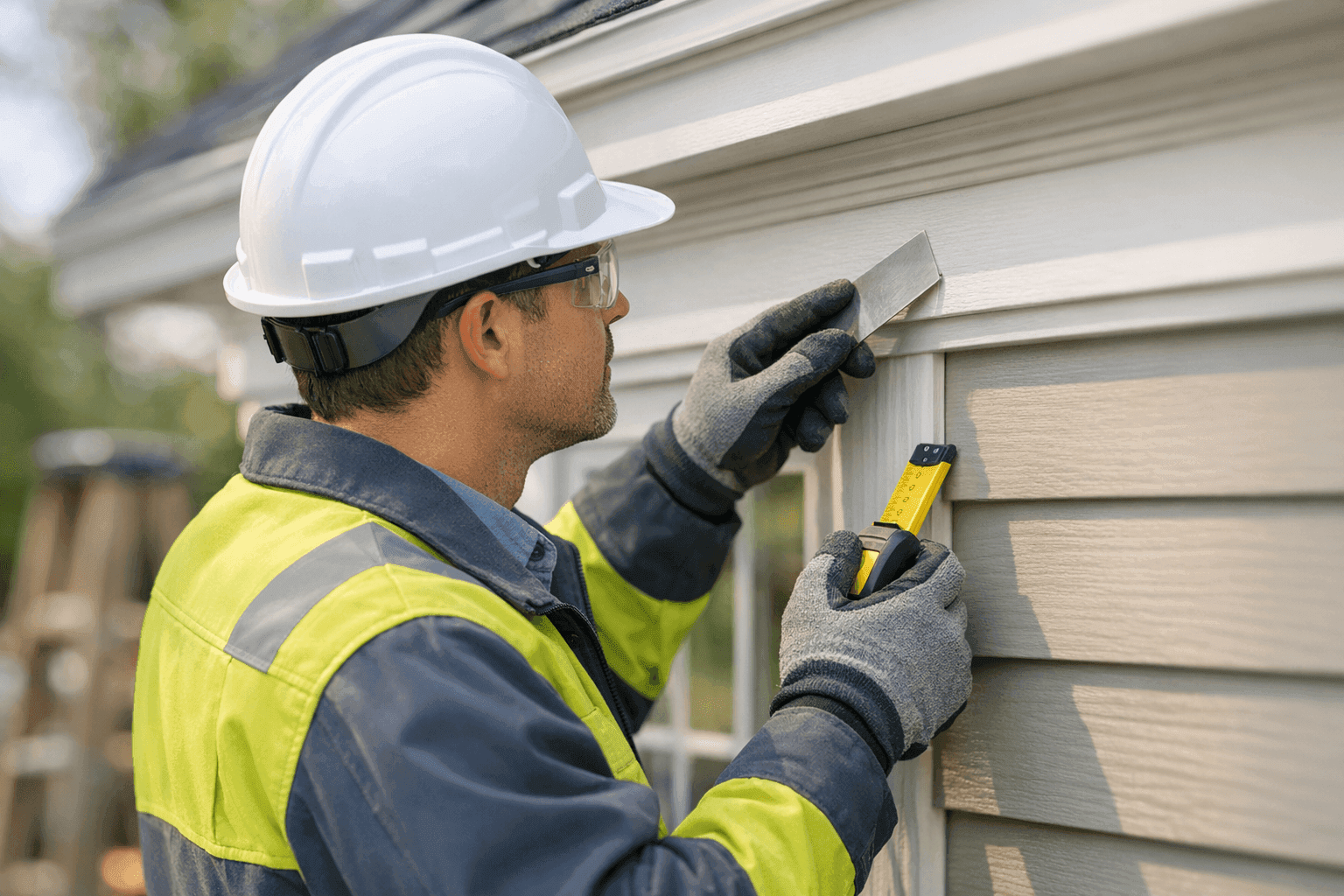
Is your home’s trim looking a little tired? Maybe it’s peeling, warped, or just doesn’t shine like it used to. If you’re wondering how often you should replace exterior trim and molding, you’re not alone. At POM Siding, we know fresh trim isn’t just about looks—it’s a key line of defense against weather and pests.
Your home’s trim and molding work behind the scenes, quietly protecting your siding and framing. Ignoring warning signs can lead to bigger headaches down the road. Let’s break down how long exterior trim lasts, what to watch for, and how timely replacement brings peace of mind.
Lifespan of Exterior Trim
Exterior trim doesn’t last forever. Like the tires on your car, it wears down over time—sometimes gradually, sometimes overnight after a brutal storm. Most trim and molding lasts 15–25 years, but several factors play a role:
- Material Matters: Wood trim looks classic but is vulnerable to rot, termites, and warping. Fiber cement and engineered wood last longer but still need care. PVC and composite options resist insects and water but may fade or become brittle with age.
- Climate Counts: Harsh winters, relentless sun, salty air, or heavy rainfall? All speed up aging. The more extreme the conditions, the shorter the trim’s life.
- Installation Quality: Proper flashing, caulking, and fasteners help trim go the distance. Shortcuts or DIY mistakes can cut years off its life.
- Maintenance Routine: Regular cleaning, painting, and inspections keep problems in check.
The International Residential Code (IRC) doesn’t dictate a fixed replacement interval, but it does require all exterior components to remain in good, functional condition.
Signs It’s Time to Replace
How do you know if your trim needs to go? Here are the red flags:
- Peeling Paint or Stain: More than just cosmetic. It often signals trapped moisture beneath the surface.
- Cracks or Splitting: Water sneaks in, causing rot and swelling.
- Soft Spots or Rot: Press with your finger—if it gives, it’s time.
- Warping or Bowing: Trim pulling away from the house means water could be getting behind your siding.
- Insect Damage: Tunnels, sawdust, or hollow sounds when tapped? Termites or carpenter ants may be calling your trim home.
- Mold or Mildew: Black or green patches spell trouble, especially in shady or damp areas.
- Frequent Caulking: Constantly re-caulking joints means the underlying trim may be past its prime.
Ignoring these signs can lead to hidden water damage, expensive siding repairs, or even structural issues. When in doubt, a professional siding inspection can reveal what’s happening beneath the surface. 🕵️
The Replacement Process
Swapping out trim and molding sounds simple, but it’s a bit like surgery for your siding. Here’s how the process usually unfolds:
1. Assessment & Planning
A thorough inspection comes first. We look for rot, water intrusion, and integrity of attached siding. Photos and measurements help plan the right approach and materials.
2. Safe Removal
Old trim is carefully pried away—no shortcuts. This prevents damage to adjacent siding, windows, or doors. Any rot or infestation in the framing beneath gets addressed first.
3. Prep & Repairs
Surfaces are cleaned, dried, and treated for mold or pests if needed. New flashing is added where necessary to direct water away from vulnerable seams.
4. Installation
Fresh trim is measured, cut, and installed for a snug fit. Joints are sealed with high-quality caulk to keep water and critters out. We use stainless steel or coated fasteners to prevent rust streaks.
5. Finishing Touches
Painting or staining seals the deal—literally—protecting your trim from sun, rain, and insects. Clean lines and crisp corners restore your home’s curb appeal.
For more details on the process or custom options, explore our trim and molding installation services.
Preventive Maintenance
Think of maintenance as regular oil changes for your home’s exterior. Sometimes a little effort now avoids a costly breakdown later. Here’s how to keep your trim looking sharp:
- Inspect Each Spring and Fall: Look for cracks, peeling, mold, or loose boards. Catch problems before they grow.
- Clean Gently: Use a soft brush and mild soap to clear away dirt and mildew. Pressure washers can damage wood and caulk.
- Touch Up Paint: Exposed wood is an invitation for rot. Keep paint or stain in good shape.
- Check Caulked Joints: If you spot gaps, reseal with paintable, exterior-grade caulk.
- Trim Vegetation: Keep shrubs and vines away to prevent excess moisture and insect access.
- Mind the Gutters: Clogged gutters spill water onto trim, speeding up decay.
Regular siding trim repair can address minor issues before they turn major. 🛠️
Quick Safety Checklist
Before any trim work, review these basics:
- Ladders: Stable, on level ground, and never overreaching.
- Protective Gear: Gloves, safety glasses, and dust masks—especially if sanding or scraping old paint.
- Lead Paint Warning: Homes built before 1978 may have lead-based paint. Follow EPA guidelines for safe removal.
- Electrical Caution: Be aware of wires near soffits or exterior lights.
DIY or Call a Pro?
Replacing a single piece of trim might seem DIY-friendly. But full replacement, especially on upper stories or near windows, is best handled by professionals. There’s risk of damaging siding, missing hidden rot, or failing to seal joints properly.
Professional installers use the right tools, know local building codes, and spot problems the untrained eye might miss. In the long run, what you save in time and peace of mind can outweigh the cost.
What to Expect When Pros Arrive
Expect a thorough walk-through. We’ll check for damage, explain options, and give you a clear plan. Our pros respect your property—tidy work areas and minimal disruption to your routine.
We’ll also answer questions about siding types, color matching, and warranty coverage. Need a quick quote? We make it easy.
Emergency Trim Replacement
Storms, falling branches, or pest infestations can suddenly expose your trim. If you see water pouring behind your siding or find major gaps, don’t wait. Emergency trim work stops further damage and protects your home’s structure.
The Cost and Timeline
Costs depend on material, style, and how much trim is being replaced. Wood is affordable but requires more upkeep. PVC and composite cost more up front but last longer. Labor and prep work (like rot repair) add to the price.
Most homes can have trim replaced in a day or two, but complex jobs or bad weather might stretch the timeline. We always keep you updated so there are no surprises.
Seasonal Considerations
Spring and fall are prime times for trim work. Moderate temperatures help paint and caulk cure properly. Winter can make materials brittle, while summer heat makes caulk sticky and hard to work with.
Common Mistakes to Avoid
- Ignoring Small Problems: Minor rot or peeling paint quickly spreads.
- Improper Caulking: Skipping caulk or using the wrong type lets water sneak in.
- Poor Material Choice: Not all trim is created equal—choose what fits your climate and style.
- Skipping Prep Work: Painting over dirty or damp wood traps moisture and leads to failure.
Frequently Asked Questions
How often should I repaint exterior trim?
Every 5–8 years, depending on exposure and paint quality.
Can I replace just a section of trim?
Yes, but color matching can be tricky. Sometimes full replacement looks best.
Is new trim covered by warranty?
Many manufacturers offer warranties, but only if installed and maintained correctly. Ask us about coverage options.
Does new trim boost home value?
Absolutely. Fresh, well-installed trim makes your home look newer and signals good upkeep to buyers.
Siding and Trim: A Package Deal
Trim and molding aren’t just decorative—they’re essential to your siding’s health. When you keep them in shape, you protect your investment and improve curb appeal.
If you’re in the East Honolulu area and looking for siding services, check out our East Honolulu siding solutions for expert advice and support.
Ready for Fresh Trim?
Old trim doesn’t just look tired—it puts your home at risk. If you see signs of trouble, don’t wait. POM Siding is here with honest answers, careful inspections, and quality workmanship. Let’s keep your home protected, beautiful, and ready for anything.
Call POM Siding now — or reach us anytime at 888-870-1065 .