How to Clean Your Siding Without Causing Damage
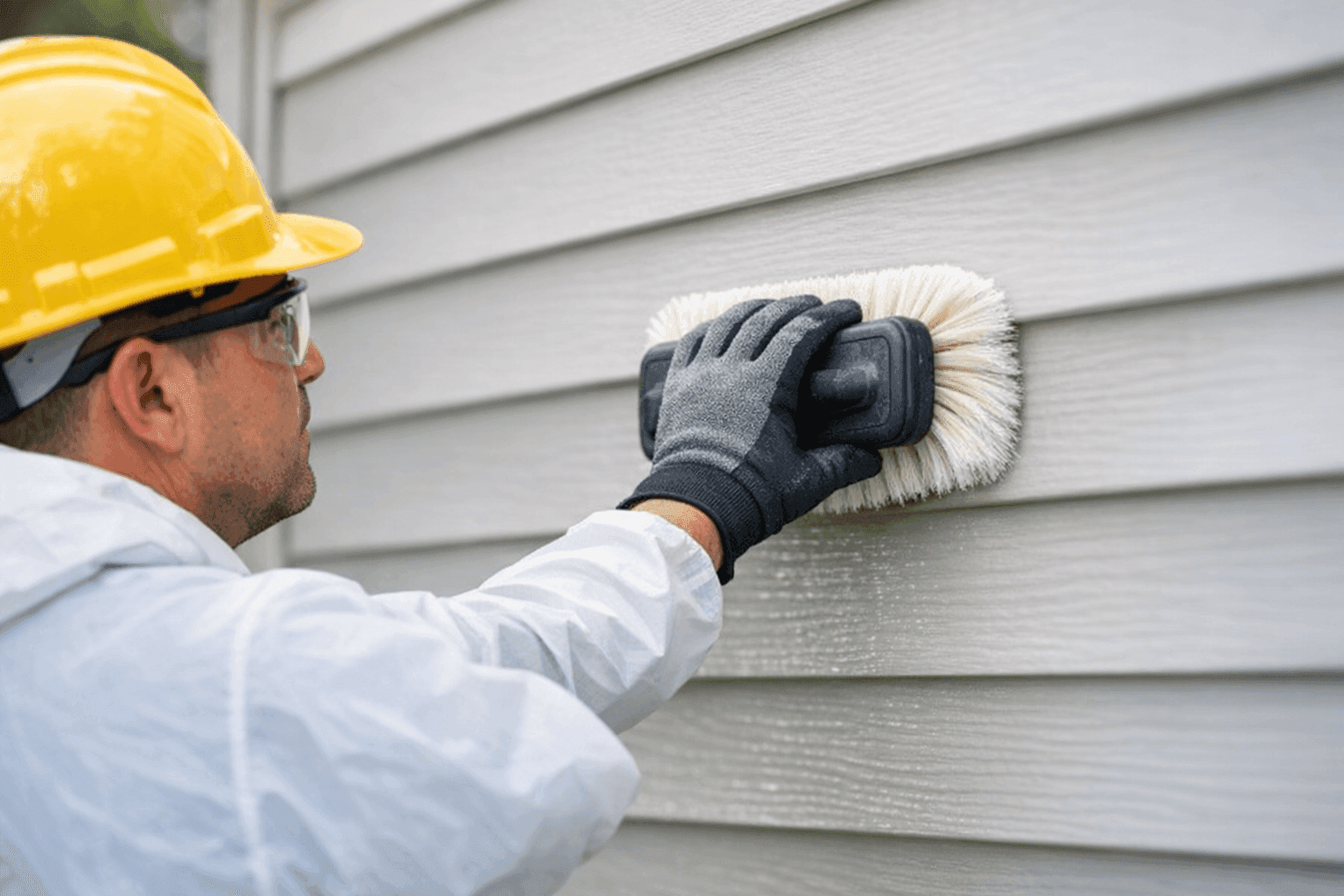
Keeping your siding clean isn’t just about curb appeal. It’s about protecting your investment—whether it’s your family home or a business property. Dirt, mold, and weather can sneak up like weeds in a garden, turning a crisp exterior into an eyesore if left unchecked.
At POM Siding, we know siding inside and out. With years of hands-on experience and a toolkit built for every material, we help property owners clean, maintain, and protect their siding without the headaches or hidden risks. Let’s walk through how to clean your siding without causing damage—so you can keep your property looking sharp and lasting longer.
Why Regular Siding Cleaning Matters 🧼
Think of your siding as a raincoat for your home. Over time, that raincoat gets muddy, stained, and maybe a little moldy if left in a damp closet. The same goes for siding—except the “closet” is the outside world.
Why clean regularly?
- Stop mold and mildew in their tracks: These don’t just look bad—they can eat away at materials and even trigger allergies.
- Preserve your siding’s color and finish: Sun, wind, and grime can dull even the brightest paint or finish.
- Extend your siding’s lifespan: Regular cleaning acts like routine check-ups, catching minor issues before they become expensive headaches.
- Protect your investment: Clean siding can boost your property value and make a big first impression.
The North American Insulation Manufacturers Association recommends regular exterior checks and cleaning to maintain not just looks, but also structural performance.
Quick Homeowner Safety Checklist
Before you start, pause for safety. Siding cleaning can seem simple, but it comes with real risks—slips, harsh chemicals, or accidental damage.
Run through this list:
- Wear non-slip shoes and gloves.
- Use a sturdy ladder (never stand on the top rung!).
- Keep children and pets away from the work area.
- Turn off outdoor electrical outlets nearby.
- Avoid working in wet or windy weather.
If you’re unsure, a professional siding inspection can help you spot hidden trouble before you start.
Safe Cleaning Methods for Each Siding Type
Every siding material is different. Some need gentle care; others can take a little more elbow grease. Here’s how to treat each type with respect.
Vinyl Siding
Vinyl is tough, but not invincible.
- Use a soft-bristled brush or cloth with warm, soapy water.
- Rinse from top to bottom with a low-pressure hose.
- Never use abrasive pads or harsh chemicals—they can scratch or fade the color.
- Avoid high-pressure washers, which can force water behind panels and cause mold.
Fiber Cement Siding
Fiber cement is built to last, but it’s heavy and somewhat porous.
- Stick with a garden hose and soft brush.
- Mild dish soap works well; avoid ammonia-based cleaners.
- Rinse thoroughly to prevent residue build-up.
- Don’t use wire brushes or sandpaper.
Wood Siding
Wood is beautiful, but it needs gentle hands.
- Dust with a soft brush; use a diluted wood cleaner for spots.
- Never soak wood siding—too much moisture can cause swelling, warping, or rot.
- Rinse lightly and dry quickly if possible.
- Watch for flaky paint or exposed wood—these need pro attention.
Stucco Siding
Stucco can trap dirt in its texture.
- Use a soft brush with warm water and gentle cleaner.
- Avoid power washing, which can crack or damage the surface.
- For stubborn stains, use a vinegar solution (one part vinegar to three parts water).
- Test a small area first to check for discoloration.
Metal Siding
Metal is resilient but prone to chalkiness and rust.
- Wash with a sponge or soft brush and mild detergent.
- Rinse well to avoid streaks.
- Don’t use steel wool or strong acids—they’ll scratch or corrode the surface.
- Dry with a towel to prevent water spots.
Tools and Products to Use (and Avoid) 🧽
Choosing the right tools is like picking the right brush for a masterpiece. The wrong one can ruin the canvas.
What to Use
- Soft-bristle brushes: Gentle on all siding types.
- Low-pressure garden hose: Keeps water from getting behind panels.
- Non-abrasive cleaners: Dish soap, diluted vinegar, or specialty siding cleaners.
- Buckets, gloves, and safety goggles.
What to Avoid
- High-pressure washers (unless you’re a pro and know your siding can handle it).
- Abrasive pads or steel wool.
- Bleach (unless specifically recommended for mold and mildew, and only on non-porous surfaces).
- Harsh chemicals not designed for siding.
Step-by-Step Siding Cleaning Guide
- Clear the area: Move patio furniture, grills, and potted plants away.
- Pre-rinse: Use a hose to loosen surface dirt.
- Mix your cleaner according to the label or recipe.
- Scrub gently: Start at the bottom and work up to avoid streaks.
- Rinse thoroughly: Always from top down, so dirty water doesn’t drip on clean surfaces.
- Inspect as you go: Look for cracks, warping, or loose siding—these may need professional repair.
Common Mistakes That Can Cause Damage
- Using too much force or pressure.
- Cleaning in direct, hot sunlight (can cause streaks or rapid drying).
- Ignoring safety around windows, outlets, and vents.
- Failing to rinse completely, leaving soap or cleaner residue behind.
When to Call a Pro
If you spot:
- Warped, cracked, or loose siding.
- Persistent mold or mildew that keeps coming back.
- Signs of water damage, soft spots, or bubbling paint.
- High or hard-to-reach areas that require ladders or scaffolding.
That’s when it’s best to contact a professional siding cleaning service. They’ll know how to handle the job safely and spot any issues that might need attention—like Siding Maintenance.
DIY vs. Professional Siding Cleaning
Doing it yourself can save money and give you a close-up look at your property. But, some jobs need an experienced eye and the right equipment—especially for large commercial buildings, storm damage, or delicate materials.
Professionals can also recommend other helpful services, like siding inspection or siding weatherproofing, to keep your property protected year-round.
How Often Should You Clean Your Siding?
- Residential siding: Once a year is a good rule of thumb, or after major storms.
- Commercial siding: Twice a year, or more often in high-traffic or industrial areas.
- More frequent cleaning may be needed if your property is shaded, near trees, or close to busy roads.
Seasonal Considerations & Weather Warnings
Spring and fall are ideal times—mild weather, less pollen or ice, and you can prep your siding for summer sun or winter storms. Avoid cleaning during freezing temps or windy, rainy days.
Signs Your Siding Needs More Than Just Cleaning
Sometimes, a wash isn’t enough. Call in a pro if you notice:
- Peeling or bubbling paint.
- Soft, spongy wood.
- Gaps, cracks, or missing caulk.
- Rust spots or chalking on metal siding.
How Long Does Siding Cleaning Take?
- Most residential jobs: 2–6 hours, depending on size and buildup.
- Commercial or multi-story properties: A day or more.
- Factor in time for setup, safety checks, and careful inspection.
Saving Money and Time: Prevention & Maintenance
A little maintenance goes a long way. Here’s how to keep cleaning easy:
- Trim back shrubs and trees to reduce debris.
- Gutters and downspouts in good shape prevent streaks and water stains.
- Inspect siding after storms for early signs of trouble.
- Consider a siding maintenance plan to catch issues early.
Emergency Siding Cleaning & Storm Recovery
Floods, fire, and wind can leave behind more than dirt. If you’re dealing with storm or emergency cleanup, safety first—then call a pro. Emergency siding cleaning can help restore safety and appearance fast.
Frequently Asked Siding Cleaning Questions
Can I use a pressure washer on siding?
It’s risky! Only certain types of siding, like some fiber cement and metal, can handle low-pressure washing. Always check the manufacturer’s care guide or ask a pro.
What’s the safest soap for siding?
Mild dish soap or a specialty siding cleaner. Avoid harsh chemicals unless recommended for your material.
How do I know if my siding is damaged?
Look for warping, cracks, or soft spots. If in doubt, a professional siding inspection can help you spot trouble.
Does clean siding really add value?
Absolutely. Clean siding boosts curb appeal and shows you care for your property. It’s like washing your car before selling it—first impressions matter.
The Takeaway: Clean Siding = Happy Property
Keeping your siding clean is less about elbow grease and more about care, attention, and using the right tools for the job. When in doubt, reach out for professional help—especially for tricky spots or signs of damage.
If you’re searching for a reliable siding cleaning company or want to know more about siding options in Great Falls, POM Siding is ready to help.
Call POM Siding now — or reach us anytime at 888-870-1065 .