Gutter Repair vs. Replacement: Making the Right Choice
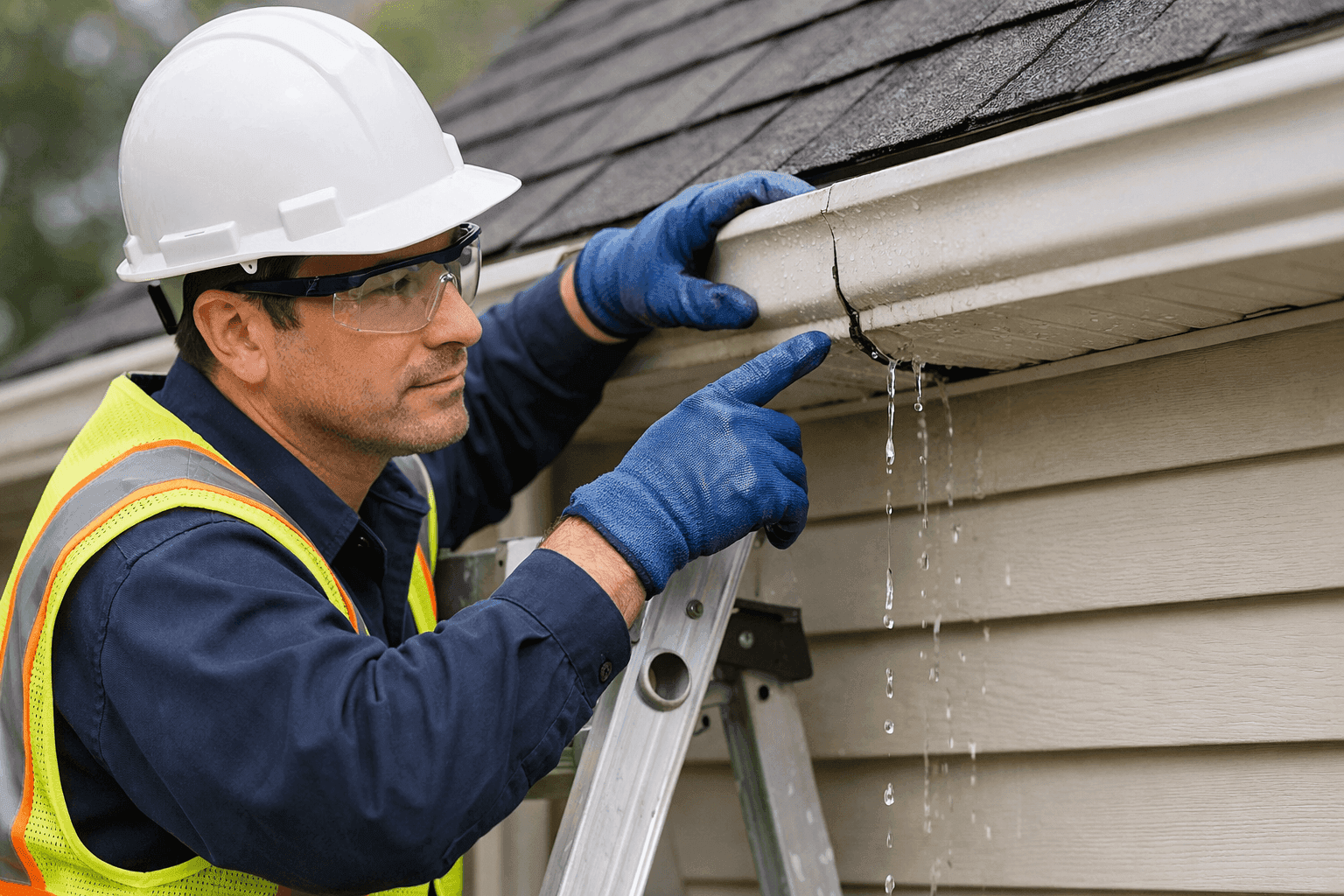
Keeping rainwater in its lane isn’t just about avoiding puddles by your front door. Gutters are a silent guardian for your siding, your foundation, and even your home’s sense of security. When they’re working, you barely notice. When they fail, the damage can run deep—fast.
At POM Siding, we understand the domino effect a simple gutter leak can set off. If you’re staring at sagging seams or water trickling where it shouldn’t, you’re in the right place. Let’s break down when to patch things up and when it’s time to start fresh.
Why Gutters Matter for Siding 🛡️
Gutters are your siding’s raincoat. They catch and carry away stormwater, preventing it from cascading down your home’s exterior. Without them, water finds every nook and cranny—soaking siding, flooding soffits, and seeping behind trim. Over time, even a minor drip can bubble paint, rot wood, or warp vinyl.
- Protects siding and trim: Directs water away, reducing mold and deterioration.
- Prevents foundation issues: Stops pooling near your home’s base.
- Preserves curb appeal: No ugly streaks or algae trails on your beautiful siding.
If your gutters are in trouble, your siding will be next. It’s as simple—and serious—as that.
Common Gutter Issues
Gutters rarely fail all at once. Instead, trouble sneaks up in small ways:
- Leaks and holes: Rust, fallen branches, or ice can puncture old metal.
- Sagging or pulling away: Fasteners loosen, especially after heavy snow or wind.
- Clogs: Leaves, seeds, and debris block water flow, causing overflows.
- Improper slope: Water sits instead of draining, eroding seams and corners.
- Damaged gutter flashing: Allows water behind siding, risking rot and mold.
Sometimes, issues are obvious—a gush during a rainstorm, or paint peeling beneath the eaves. Other times, you’ll only spot the damage during a full siding inspection.
Quick Safety Checklist Before You Act
Before you grab a ladder or schedule repairs:
- Wait for dry weather—wet roofs and ladders are a recipe for accidents.
- Wear sturdy shoes, gloves, and eye protection.
- Have someone nearby if you’re going up high.
- Don’t attempt repairs near power lines or if you feel unsafe.
For complex issues or multi-story homes, it’s safer to call professionals trained in gutter and siding work.
Repair vs. Replacement Criteria
How do you decide between a quick fix and a full replacement? It comes down to a few key questions:
Repair Makes Sense If:
- Damage is limited—just a section or two.
- Gutters are less than 10–15 years old.
- No major rust, cracks, or widespread leaks.
- Seamless sections can be patched, caulked, or reattached.
Replacement is Smarter When:
- Gutters are warped, rusted throughout, or falling apart.
- Leaks persist even after repairs.
- Multiple sections are sagging or loose.
- You notice water behind siding, which can mean flashing failures.
- You’re redoing siding or upgrading to a new material.
Sometimes, ongoing repairs cost more in the long run—like patching a worn-out tire over and over. New gutter installation can be a clean slate that saves headaches and money.
What the Pros Do on Arrival
Expect a thorough approach:
- Inspect gutters, downspouts, and flashing for hidden trouble.
- Check slope and alignment.
- Examine siding, soffits, and fascia for water stains or soft spots.
- Recommend repairs or replacement based on extent—not just appearance.
Professionals follow local building codes and use quality fasteners, sealants, and materials that meet standards from organizations like the International Code Council.
DIY vs. Call a Pro
Simple clogs or reattaching a loose bracket? Many homeowners can tackle these with the right tools. But for anything involving:
- Multiple leaks or large holes
- Major rust or rot
- Tall or steep roofs
- Siding, soffit, or fascia repair near you
…it’s best to call in skilled hands. Mistakes here can cause water to run behind your siding, risking thousands in hidden damage.
Preventing Future Problems 🌤️
A little prevention goes a long way. Here’s how to keep your gutters—and siding—healthy:
- Clean gutters twice a year (spring and fall).
- Trim back overhanging branches.
- Check for loose fasteners after heavy storms.
- Make sure downspouts aim water well away from your foundation.
- Inspect siding and flashing during gutter maintenance.
For added peace of mind, ask about gutter guards or seamless gutters during your next gutter installation.
Costs & Time Factors
Gutter repair is often quick—many jobs finish in a few hours. Replacement may take a day or two, depending on your home’s size and height. Costs vary by material (vinyl, aluminum, copper) and the level of access needed.
Don’t forget: Delaying repairs can turn a $200 fix into a $2,000 siding replacement. Timely action saves money and preserves your property’s value.
Timeline & Disruption
- Repairs: Minimal disruption. Often, no need to be home.
- Replacement: May require moving vehicles, clearing yard space, or coordinating with other siding services. Plan for some noise and activity.
Professional crews keep the work area tidy and safe. If you have pets or special concerns, let your contractor know ahead of time.
When It’s an Emergency
If you see water pouring behind siding, gutters pulling off the roof, or obvious storm damage, act fast. Mold and wood rot don’t wait for a convenient time. Emergency siding and gutter services can prevent small issues from becoming big disasters.
Seasonal Considerations
- Spring: Clean out winter debris. Look for ice dam damage.
- Summer: Check for sagging or leaks after heavy storms.
- Fall: Clear falling leaves before they clog your gutters.
- Winter: Watch for icicles and heavy snow buildup.
Regular checks help you avoid surprises—especially before and after seasonal storms.
Common Mistakes to Avoid ❌
- Using the wrong sealant (temporary fixes never last)
- Ignoring small leaks or stains
- Overlooking gutter flashing where your roof meets siding
- Setting ladders on uneven ground
- Trying to patch extensive rust or rot
When in doubt, seek professional advice. It’s better to ask early than repair later.
FAQ: Gutters & Siding
Q: How often should gutters be replaced?
A: Most systems last 20–30 years, but local weather, trees, and maintenance can shorten or extend their lifespan.
Q: Can clogged gutters damage my siding?
A: Absolutely. Overflow lets water run down your siding, leading to stains, warping, or hidden rot.
Q: What’s gutter flashing, and why does it matter?
A: Flashing is a thin strip that directs water from your roof into the gutter, protecting the edge of your siding and roof deck. Damaged flashing can let water sneak behind your siding—one of the most common sources of hidden damage.
Gutter & Siding Inspections: The Overlooked Hero
Regular inspections—by you or a professional—catch small problems before they become expensive emergencies. It’s like taking your car for an oil change: a little time now prevents trouble later.
The Bottom Line: Your Next Steps
Gutter health isn’t just about rain. It’s about protecting your siding, your investment, and your peace of mind. Repair when you can, replace when you must, and always prioritize safety and long-term value.
If you need help with gutter repair, siding flashing, or a full system upgrade, POM Siding is here to help. For homeowners and businesses alike, your siding deserves the best.
For high-value siding solutions in the region, see why so many property owners choose us for siding in Burlington.
Call POM Siding now — or reach us anytime at 888-870-1065 .