Gutter Installation: Protect Your Siding & Foundation
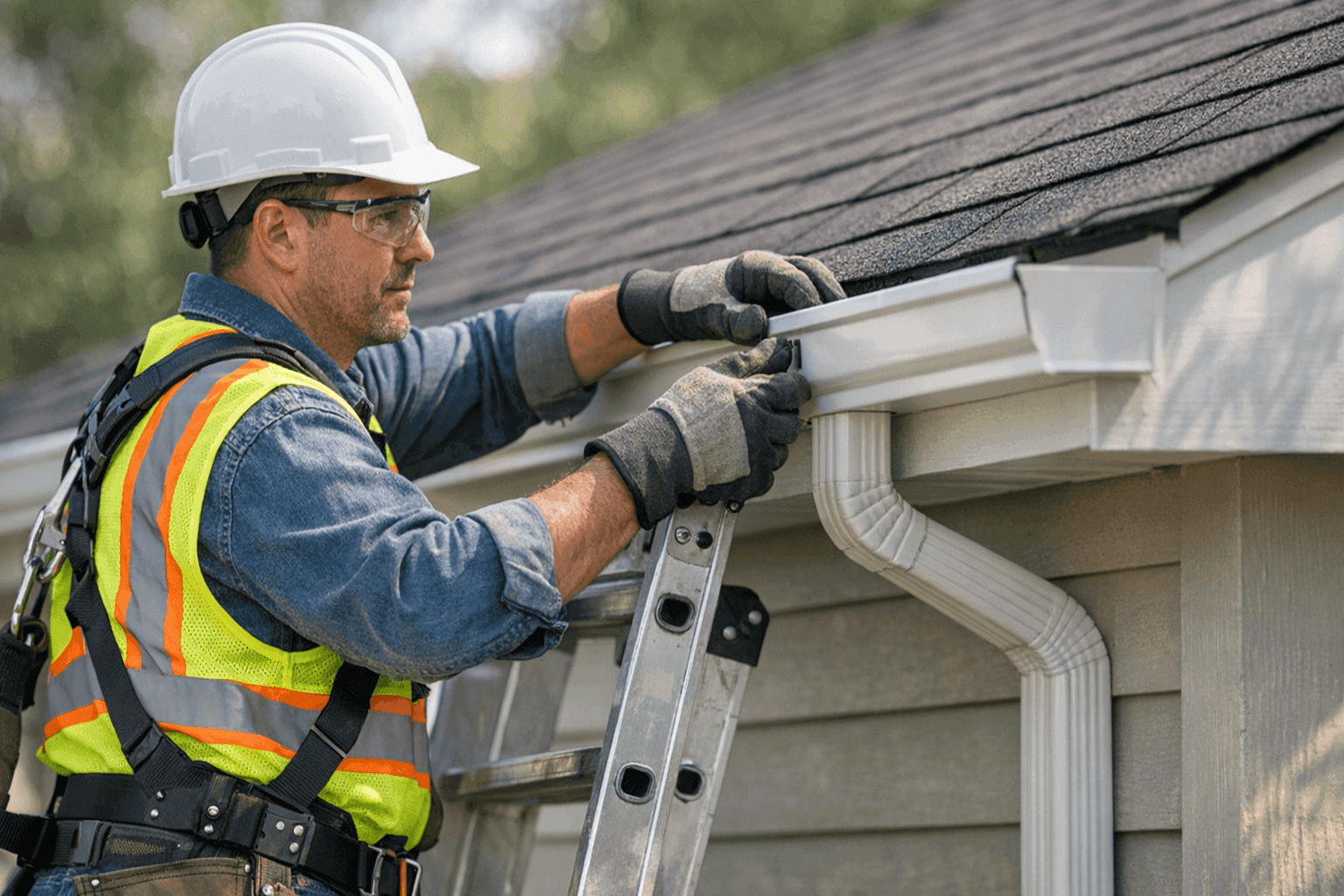
When rain pours, your gutters are your home’s first line of defense. Without them, water is like an uninvited guest—seeping into places it shouldn’t, threatening your siding, your foundation, and your peace of mind.
At POM Siding, we know that a well-installed gutter system is more than a finishing touch. It’s a guardian for your property, whether you manage a busy commercial building or call a quiet neighborhood home. Let’s walk through how gutter installation keeps your siding safe, your foundation dry, and your to-do list shorter.
Why Gutters Matter for Siding 🏡
Think of your gutters as your home’s raincoat. When properly fitted, they whisk water away from your siding, doors, and footings. No more dirty splash marks, peeling paint, or rotting wood. No sneaky leaks making their way into the heart of your home.
When gutters fail or are missing, water is relentless. It trickles behind siding panels, creeps into soffits and fascia, and gnaws at wood and insulation. Over time, even brickwork and concrete foundations can suffer. According to the International Association of Certified Home Inspectors, water intrusion is a leading cause of siding and foundation failures.
Some of the most common consequences of bad drainage include:
- Stained or warped siding panels
- Mold and mildew behind walls
- Basement leaks and foundation cracks
- Rotting soffit and fascia boards
A simple drip can become a costly headache if ignored. So, how do you choose the right shield?
Types of Gutter Systems: Find Your Fit
Not all gutters are created equal. Each type has its own strengths—just like siding materials. Here’s a quick rundown:
- K-Style Gutters: The most popular, with a flat back and decorative front. They hold more water than traditional half-rounds.
- Half-Round Gutters: Classic, rounded profile. Often used on older or historic homes.
- Seamless Gutters: Custom-cut on-site for your home’s exact dimensions. Fewer seams mean fewer leaks.
- Box Gutters: Larger, typically used for commercial buildings or heavy rainfall zones.
- Vinyl, Aluminum, Steel, and Copper: Each material comes with pros and cons for weight, durability, and visual appeal.
Pair your gutter selection with downspouts sized for your roof area. For example, larger roofs or steep slopes call for wider gutters and bigger downspouts. If your area gets freeze-thaw cycles, ask about ice guards and heated gutter options.
Gutter Selection: What to Consider
Choosing gutters is like picking the right shoes for a job—function comes first, but style matters too. Here are some points to weigh:
- Climate: Heavy rain or snow? Opt for sturdy, rust-resistant materials.
- Siding Type: Some sidings—like wood or stucco—are especially vulnerable to water. Gutters help protect your investment.
- Maintenance Needs: Seamless aluminum gutters are low-maintenance, while copper looks beautiful but needs care.
- Aesthetic: K-style blends in. Half-round pops. What matches your trim and molding?
- Budget: Factor in both installation and long-term upkeep.
Not sure what’s right? We offer Siding Material Consultation to help you match gutter and siding materials for the best performance.
Installation Steps: What to Expect
Installing gutters isn’t just climbing a ladder and hammering away. It’s a careful process—done right, it lasts decades.
Step 1: Inspection & Measurement
We start by examining your roof edge, fascia, and soffit for any damage or rot. This is also the moment to spot hidden issues that could impact your siding. Accurate measurements ensure every section is custom fit.
Step 2: Preparing the Site
Before mounting anything, we remove old gutters and clean the roofline. If you need Siding Flashing Repair, now’s the time. Flashing is the unsung hero that keeps water out of tricky seams.
Step 3: Mounting the Gutters
Brackets are spaced evenly to support the gutters—usually every 24 to 36 inches. Sloping the gutters gently (about 1/4 inch per 10 feet) ensures water flows toward downspouts, not back toward your siding.
Step 4: Installing Downspouts
Downspouts are attached at key locations, directing runoff away from the foundation. Extensions, splash blocks, or underground drains may be added for extra protection.
Step 5: Sealing & Testing
All seams and joints are sealed with high-quality caulk. We run water through the system to spot leaks and confirm everything drains as it should.
Step 6: Final Check
The job isn’t done until we inspect the siding, soffit, and fascia one last time. Any issues? We’ll address them before wrapping up.
Quick Safety Checklist for Homeowners
Before you consider any gutter work, remember:
- Never climb on wet or icy roofs.
- Use sturdy ladders and secure footing.
- Watch for overhead power lines.
- Wear gloves and eye protection—gutters collect sharp debris.
If you’re not comfortable, don’t risk it. Some jobs are best left to seasoned hands.
DIY vs. Professional Installation: What’s at Stake?
It’s tempting to tackle gutter installation yourself. But even one mistake—a misaligned bracket, a poor seal—can send water straight into your siding or foundation.
Professionals bring more than ladders. We bring experience, the right tools, and a sharp eye for detail. We know building codes, safety protocols, and the quirks of every siding type. Plus, we spot small problems before they turn into big repairs.
For complex projects, multi-story homes, or commercial properties, calling a pro is the safest bet.
What Professionals Do on Arrival
When we arrive for gutter installation or Gutter Repair, here’s what you can expect:
- Full inspection of siding, soffit, fascia, and roofline
- Assessment of water flow and drainage patterns
- Recommendations for gutter style, material, and placement
- Upfront discussion of any siding or flashing damage
- Clear, step-by-step plan and timeline
No guesswork. No shortcuts. Just a straight path to a safer, drier building.
Gutter Maintenance and Upgrades: Keep Water in Its Place 🛠️
A gutter system isn’t “set it and forget it.” Like any part of your exterior (from siding to soffits), upkeep is key.
Tips for Lasting Performance:
- Clean out leaves and debris at least twice a year—more if you have overhanging trees.
- Check for loose brackets, sagging sections, or leaks after storms or heavy winds.
- Inspect siding and fascia for water stains—an early warning sign.
- Add gutter guards to reduce clogging and make maintenance easier.
- Look for ice dams in winter. Clear snow from the roof edge to prevent backups.
If you spot damage, don’t wait. Small leaks can quickly lead to big repairs, especially around wood siding or insulation. Regular attention keeps your system strong.
Costs, Time, and Disruption: What to Budget
Gutter installation costs vary—size, material, and home height all play a role. Most residential jobs take a day or two; large or commercial projects may need more time.
Plan for:
- Materials (gutters, downspouts, brackets)
- Removal of old systems
- Repairs to siding, soffit, or fascia if needed
- Clean-up and debris haul-away
We work efficiently and keep disruption to a minimum. You’ll know the schedule in advance.
When It’s an Emergency: Signs You Need Gutter Help Now
Some problems can’t wait:
- Water pouring over gutter edges during rain
- Siding or basement leaks after storms
- Detached or sagging gutters
- Rotting fascia boards or visible mold
Act fast to avoid major siding or foundation damage. For urgent needs, we offer Emergency Siding Services—just ask when you call.
Seasonal Considerations: Weatherproofing Year-Round
Gutters face challenges in every season:
- Spring: Heavy rains test your system. Check for clogs and leaks.
- Summer: UV rays can weaken vinyl gutters. Inspect for cracks.
- Fall: Falling leaves are prime clog culprits. Clean and add guards.
- Winter: Ice dams can force water behind siding. Clear snow promptly and consider heated cables if needed.
Routine seasonal checks make all the difference. Want help? Ask about our Siding Maintenance and Inspection options.
Common Mistakes We See
- Gutters installed without proper slope
- Downspouts that dump water too close to the foundation
- Ignoring small leaks or cracked caulk
- Using undersized gutters on large roofs
- Skipping flashing repairs when replacing siding or gutters
Each misstep risks water sneaking where it shouldn’t. A little attention upfront saves major repairs down the road.
FAQ: Gutters, Siding, and Foundation Protection
How often should gutters be cleaned?
At least twice a year—spring and fall. More often if you have heavy tree cover.
Can clogged gutters really damage my siding?
Yes. Overflowing water splashes up under siding panels and into soffits, leading to rot and mold.
Do I need new gutters if I’m replacing my siding?
Often, yes. Old or damaged gutters may not fit the new siding profile, and it’s a great opportunity to upgrade flashing and insulation too.
What’s the best way to extend downspouts?
Use splash blocks or flexible extensions to direct water at least 5 feet from the foundation.
Should gutters match my siding color?
That’s up to you! Some prefer a seamless look; others want contrast. We offer Siding Color Consultation to help you decide.
Code and Safety Guidelines
We follow all local building codes and best practices, as outlined by the International Residential Code (IRC) and Occupational Safety and Health Administration (OSHA) safety standards. Proper gutter slope, secure fastening, and safe ladder use aren’t just good ideas—they’re required for a reason.
Signs of Trouble: What to Watch For
- Peeling paint or bubbling siding near gutters
- Standing water near the foundation after rain
- Musty smells or mold in basement or crawlspace
- Visible gaps between gutter and fascia board
Spot these early, and you’ll avoid bigger headaches.
Gutter Installation for New Construction
Building a new home or business? Gutters should be part of your exterior plan from day one. They work hand-in-hand with siding, soffit, and fascia to channel water safely away. Ask us about integrating insulation, ventilation, and flashing for maximum protection.
Siding and Gutter Upgrades in Your Area
If you’re searching for siding upgrades or Soffit and Fascia Repair near you, our team has decades of hands-on experience. We handle everything—from fresh installs and color consultations to fast repairs after a storm.
For homeowners and commercial property managers in Nashua looking for high-quality siding installation, we’re ready to help.
Ready for a Drier, Safer Home?
Don’t let water take a bite out of your siding or foundation. Whether you need new gutters, a quick repair, or a full siding upgrade, POM Siding is here to help.
Call POM Siding now — or reach us anytime at 888-870-1065 .