Fiber Cement vs. Wood Siding: A Comparison for Homeowners
Choosing what protects and defines your home’s exterior isn’t just about style. It’s about investment, comfort, and peace of mind. At POM Siding, we know the decision between fiber cement and wood siding can feel like standing at a fork in the road—each path with its own rewards and challenges.
Let’s walk through the key differences, using real-world experience and proven industry standards, so you can choose with confidence and clarity.
Appearance and Style Comparison
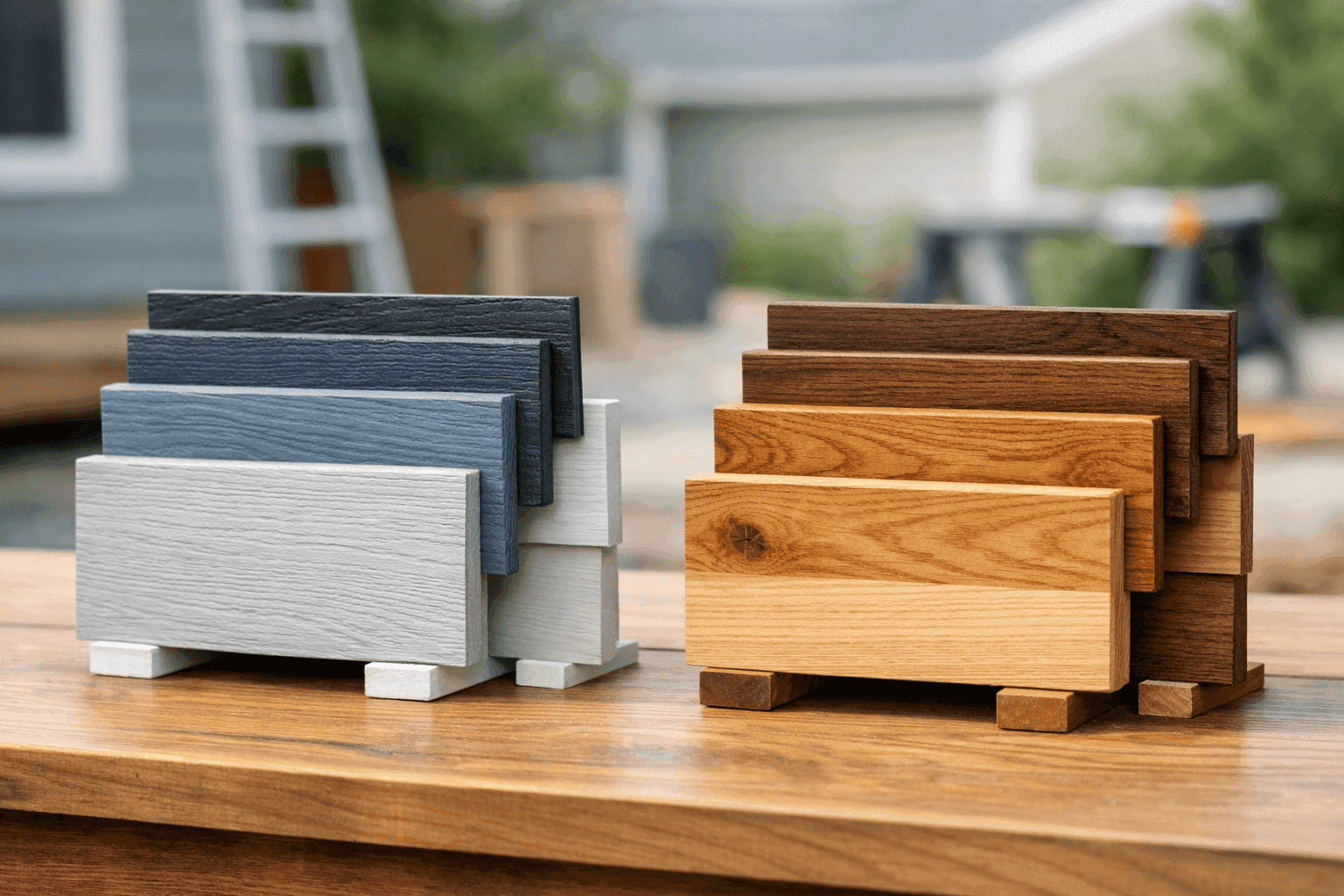
When it comes to curb appeal, siding is like your home’s handshake—it gives the first impression. Wood siding offers a natural, timeless beauty that’s hard to duplicate. Each board has its own unique grain, color variation, and texture. If you love the feeling of an old-growth forest or the warmth of a craftsman cottage, real wood siding may call your name.
Fiber cement siding, on the other hand, is the chameleon of the siding world. Modern manufacturing techniques allow it to mimic the look of wood, stucco, or even stone, with engineered finishes that fool the eye at a distance. It comes in an array of colors and textures, and it holds paint beautifully—so you aren’t locked into a single style.
- Wood Siding Pros: Authentic grain, rich color, classic charm.
- Fiber Cement Pros: Versatile finishes, wide color options, consistent appearance.
If you’re aiming for a specific architectural vibe, both materials have their merits. Fiber cement offers flexibility; wood delivers authenticity. 🎨
Durability, Maintenance, and Longevity
Siding isn’t just for looks. It’s your home’s armor against nature. Here’s where the differences really stand out.
Wood Siding: Like a beautiful but sensitive violin, wood siding needs regular care. It’s prone to rot, especially in humid or rainy climates. Termites and carpenter ants see it as a buffet. Sun, rain, and snow can cause it to warp, split, or fade. Homeowners should plan for repainting or restaining every 3–7 years and consistent inspections for damage.
Fiber Cement Siding: Imagine a knight’s shield—tough, weather-resistant, and slow to show its age. Fiber cement resists rot, insects, and fire. It won’t warp or crack the way wood can. Maintenance is lighter: a periodic rinse, and repainting every 10–15 years. The James Hardie company, a widely cited authority, notes that fiber cement is designed to withstand severe weather and comply with strict building codes.
- Wood Siding Challenges: Needs frequent painting, susceptible to rot and pests.
- Fiber Cement Wins: Minimal maintenance, long lifespan, fire resistance.
If you want siding that stands strong with less fuss, fiber cement is a clear leader.
Cost and Value Considerations
Let’s talk numbers. Siding is a major investment—like buying a good pair of boots, you want them to last and look great doing it.
Initial Installation
- Wood Siding: Often pricier to install. Custom carpentry, specialty finishes, and premium wood can increase costs. The price varies by wood type—cedar is popular but costs more than pine.
- Fiber Cement Siding: Typically more affordable upfront than premium wood, though installation requires skill and special tools due to its weight and hardness.
Lifecycle Costs
- Wood: Ongoing maintenance adds up. Regular painting, sealing, and potential repairs for rot or pest damage can tip the scales over time.
- Fiber Cement: Lower maintenance means fewer surprise expenses. It’s engineered for longevity, so replacement is less frequent.
Resale Value
Both materials can boost curb appeal and market value. Fiber cement, according to Remodeling Magazine’s Cost vs. Value report, often brings a higher return on investment due to its durability and low upkeep. Wood’s classic appeal can be a selling point in historic or upscale neighborhoods.
- Tip: Always check local building codes and HOA guidelines before you choose—some areas have rules about materials and colors.
Upkeep: What to Expect Year After Year
Wood siding is like owning a classic car: rewarding, but demanding. Plan to wash, inspect, and refinish regularly. Look for soft spots, peeling paint, or signs of pests.
Fiber cement siding just needs occasional cleaning with a garden hose and soft brush. Inspect caulked joints and paint for any touch-ups. Maintenance is straightforward, freeing your weekends for things you actually enjoy.
Weather Resistance and Local Climate Factors
If you live where storms roll in or humidity hangs in the air, siding choice matters. Fiber cement is engineered to handle wind, rain, hail, and temperature swings. It doesn’t feed mold or mildew, making it a smart pick for wet or coastal climates.
Wood siding can perform well when properly maintained, but it’s more vulnerable to moisture and temperature changes. In areas with heavy rainfall or termites, extra vigilance is needed.
- Quick Safety Checklist:
- Inspect siding annually for cracks or soft spots
- Ensure gutters and downspouts direct water away
- Keep shrubs trimmed back to allow airflow
- Address any storm damage promptly
Siding and Safety: Fire, Code, and Insurance
Fiber cement siding is non-combustible. That means it won’t catch fire or contribute to a blaze, a fact recognized by the International Building Code (IBC) and many insurance companies. Some neighborhoods and commercial properties require fire-resistant materials for safety compliance.
Wood siding, while beautiful, is flammable. Special treatments can help, but they add to the cost and require reapplication.
Installation Timeline and Disruption
- Wood Siding: Installation speed depends on home size, design, and weather. Intricate trim or custom patterns take longer.
- Fiber Cement Siding: Requires specialized tools and training, but many pros can install it efficiently. It’s heavy, so seasoned crews are a must.
At POM Siding, our teams keep disruption minimal and job sites clean for both fiber cement siding installation and wood siding installation.
Common Mistakes and How to Avoid Them
- Skipping underlayment or flashing. Always use proper weather barriers—code requires it.
- Neglecting ventilation. Good airflow behind siding (through soffit and fascia vents) prevents moisture buildup.
- Choosing the wrong fasteners. Fiber cement needs corrosion-resistant nails; wood benefits from stainless steel.
For tough installs or repairs—like soffit and fascia repair near you—it pays to call a pro.
Signs Your Siding Needs Attention
- Peeling paint or soft wood
- Cracked, warped, or missing planks
- Gaps or loose seams
- Visible mold, mildew, or insect activity
Don’t ignore these. Left unchecked, small issues can lead to costly repairs.
DIY or Call a Pro?
Some homeowners tackle painting or minor repairs themselves. But full siding replacement, especially with fiber cement, is best left to experienced installers. Incorrect installation can void warranties and compromise performance.
If you’re considering a major project, schedule a siding material consultation for tailored advice.
Environmental Impact and Eco-Friendly Options 🌱
Fiber cement is made from sand, cement, and cellulose fibers. It’s durable and often contains recycled content, but it’s energy-intensive to produce. It lasts so long, though, that its overall environmental impact can be positive.
Wood is renewable and biodegradable. Sourced responsibly (look for FSC-certified lumber), it’s a green choice. Keep in mind, though, that frequent refinishing and repairs may offset some of its eco-advantages.
Ask about eco-friendly siding options if sustainability is a priority.
Seasonal Considerations
- Spring/Summer: Best time for installation—mild weather speeds up curing and painting.
- Fall/Winter: Fiber cement can be installed year-round, but wood may need special care in cold or damp conditions.
Plan ahead for weather to avoid delays.
Siding for Commercial vs. Residential Projects
Fiber cement is popular for both homes and commercial buildings. Its fire rating and durability make it a staple for offices and apartments.
Wood siding is often chosen for residential projects, restoration, or high-end custom builds. It’s less common in commercial settings due to maintenance needs.
If you’re looking for siding solutions for your business or multi-family project, POM Siding offers tailored options for every need.
Siding and Storm Damage: What to Do
After a major storm, inspect your siding right away. Look for dents, chips, or sections pulled loose by wind. Fiber cement usually fares better than wood, but both materials can be damaged by flying debris or hail.
Quick repairs prevent water from seeping in and causing bigger headaches down the road.
If you’re in the South and want a trusted partner for siding repair, see our high-quality siding services in Baton Rouge for homes and businesses.
Final Thoughts: Which Siding Is Right for You?
If you crave the warmth and character of real wood, and you’re ready for the upkeep, it can be a stunning choice. For homeowners focused on durability and low maintenance, fiber cement offers peace of mind and lasting beauty.
Still unsure? A professional inspection and consultation can help you weigh your options based on your property, budget, and long-term goals.
Ready to protect your investment and boost your home’s appeal?
Call POM Siding now — or reach us anytime at 888-870-1065 .