Fiber Cement Siding: Installation, Care & Cost Guide
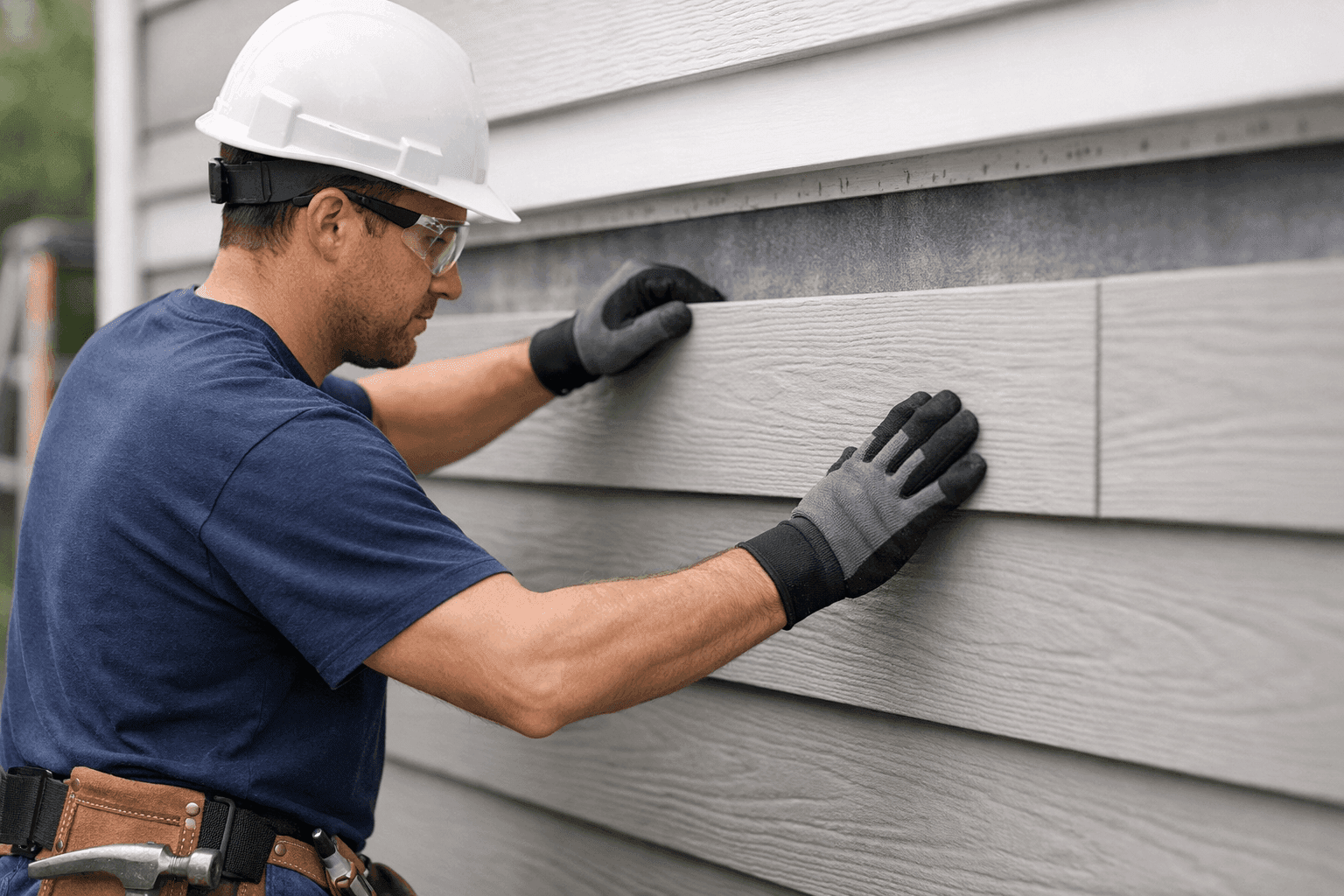
If you’re thinking about upgrading your property’s exterior, fiber cement siding might have caught your eye. Maybe your current siding is cracked, faded, or just tired. You want something tougher. Something that can handle storms, sun, and seasons without flinching. At POM Siding, we’ve seen how the right siding protects both homes and commercial buildings for years.
But is fiber cement siding the right fit for you? Let’s dig into what it is, how it’s installed, what it takes to keep it looking sharp, and what you can expect to spend. No sugarcoating—just straight talk, because that’s what you deserve.
What is Fiber Cement Siding? 🏠
Fiber cement siding is a man-made material made from a blend of cement, sand, and cellulose fibers. Imagine the strength of concrete, but shaped into planks or panels that mimic wood, stucco, or even stone. It’s been around since the early 20th century but has really gained traction in modern construction due to its durability and versatility.
- Fire resistant: Unlike wood, it won’t feed a fire.
- Rot and insect proof: Bugs and moisture can’t eat through it.
- Paint-friendly: Holds color for years.
- Low maintenance: Needs less TLC than traditional wood siding.
Fiber cement comes in a variety of textures and colors. You can get the classic look of wood grain, the smoothness of modern panels, or even a rustic stucco finish. Great for both homes and commercial buildings looking for a long-term solution.
The Installation Process: Step by Step
Installing fiber cement siding isn’t a weekend project. It’s more like a team sport—one that calls for the right tools, safety gear, and know-how. Here’s how the process usually unfolds:
1. Inspection and Prep
First, the old siding is inspected. If there’s rot, mold, or damage underneath, that gets addressed right away. Next, the old siding is removed, and the wall is checked for proper sheathing and moisture barriers. This is key—fiber cement is tough, but only if what’s underneath is solid.
2. Moisture Barriers and Flashing
Before any planks go up, a weather-resistant barrier (like house wrap) is installed. Flashing is added around doors, windows, and corners to keep water out—following guidelines from sources like the International Residential Code (IRC).
3. Cutting and Fitting
Fiber cement is heavy and can be brittle if handled wrong. Special saws and blades are used, and installers wear masks and goggles because the dust isn’t friendly. Each piece is measured, cut, and dry-fitted to make sure everything lines up.
4. Installation
Planks or panels are attached using corrosion-resistant nails, typically over furring strips for proper ventilation. Seams are staggered for strength and aesthetics. Joints and edges are caulked and sealed to keep out moisture.
5. Painting or Finishing
Some products come pre-finished, but many are painted after installation. This step seals the surface and locks in color.
How Long Does It Take?
For an average home, installation takes about one to two weeks, depending on weather, the size of your property, and whether unexpected repairs pop up. Commercial projects or multi-story buildings may need more time.
Maintenance and Cleaning: Keeping Your Siding Fresh ✨
Fiber cement siding is like a good pair of boots—tough, but not invincible. Here’s how to keep it looking sharp year after year.
- Washing: Hose it down with a garden sprayer or gentle pressure washer once a year. Use mild soap if you spot mildew or grime. Avoid harsh chemicals; they can strip paint.
- Caulk and Seal: Check caulking around windows, doors, and trim every couple of years. Re-caulk if you see gaps or cracks.
- Paint Touch-Ups: Expect to repaint every 10–15 years, or sooner if you see peeling or fading. Use high-quality exterior paint for best results.
- Inspect Regularly: After big storms, walk around your home. Look for chips, cracks, or loose boards. Early fixes are cheaper than big repairs.
If you’re not sure what counts as normal wear and tear, our siding maintenance page breaks down common issues and when to call for help.
Cost Breakdown: What Should You Expect to Invest?
Let’s talk numbers. Fiber cement siding is an investment, but it’s not the cheapest on the block. Costs vary by region, project size, and product choice, but here’s a ballpark breakdown:
- Materials: $5–$12 per square foot for siding itself.
- Installation: $4–$9 per square foot, depending on property complexity.
- Total Installed Cost: Most homeowners spend $12,000–$25,000 for an average-sized house, but large homes or commercial buildings may see higher figures.
Extra Costs to Consider
- Removing old siding
- Repairing damaged sheathing
- Painting or factory finishing
- Upgraded trims and moldings
- Permit fees (always check your local building department)
Fiber cement is pricier upfront than vinyl or basic wood siding, but it pays off with lower maintenance and longer lifespan. Over 30–50 years, it can actually be more cost-effective.
Pros and Cons: The Real Trade-Offs 🛠️
No siding is perfect. Here’s what to weigh before you decide:
Pros:
- Extreme durability: Handles storms, hail, and wild temperature swings.
- Non-combustible: Meets strict building codes for fire zones.
- Resistant to pests: Termites won’t even try.
- Low maintenance: Less repainting, no rotting, no warping.
- Great curb appeal: Mimics wood or stucco without the headaches.
Cons:
- Heavy: Requires a pro team and special tools.
- Upfront cost: More expensive than vinyl or basic wood.
- Labor intensive: Installation takes longer.
- Cracking risk: Can crack if installed incorrectly or hit hard.
- Silica dust: Cutting it creates dust that needs proper handling (wear masks!).
DIY vs. Professional Installation
Could you install fiber cement siding yourself? Maybe, if you have carpentry experience, the right saws, and a crew of strong friends. But for most folks, this isn’t a safe or practical DIY. The weight, dust, and technical details make it a job for licensed installers who follow safety codes and manufacturer requirements.
Safety Checklist: What Pros Watch For
When our crew arrives, here’s what’s on our radar:
- Proper PPE: Dust masks, goggles, gloves, and hearing protection.
- Safe cutting stations: To keep dust away from people and pets.
- Secure ladders/scaffolds: Especially for multi-story jobs.
- Adhering to local codes: Including fire ratings and venting requirements.
Always make sure your installation team pulls permits and follows the latest International Building Code (IBC) and manufacturer specs.
Signs Your Fiber Cement Siding Needs Attention
- Cracks or chips: Even tough siding can get dinged by a rogue baseball.
- Loose planks: Wind, impact, or improper fastening.
- Peeling paint: Time for a touch-up.
- Missing caulk: Water can sneak in—re-seal it.
- Warping or bulging: Usually a sign of moisture behind the siding. Needs quick action.
For a full professional review, book a siding consultation to catch problems early.
Weather and Seasonal Considerations 🌦️
Fiber cement siding shines in tough climates, but it’s not completely weatherproof. Heavy rains, freeze-thaw cycles, and direct sun can eventually wear down any exterior. Here’s what to keep in mind:
- In cold regions: Expansion and contraction are minimal, but keep caulk in good shape to prevent water entry.
- In humid areas: Mold and mildew are less of a worry, but regular washing is still important.
- In high-fire zones: Meets strict code requirements and can help protect your property.
Common Mistakes to Avoid
- Skipping the moisture barrier: This is non-negotiable.
- Improper nailing: Overdriven or underdriven nails can ruin the look and function.
- Poor flashing: Water always finds the weak spot.
- Ignoring safety: Silica dust is a health hazard—don’t cut corners.
- Wrong paint: Only use paint approved for fiber cement.
Timeline & Disruption: What to Expect During Installation
Most projects take 1–2 weeks. Expect some noise, the hum of saws, and a few days where access to certain doors or windows is limited. Good installers clean up daily and keep the site as tidy as possible.
Fiber Cement Siding for New Construction & Remodels
Building from scratch or giving your place a facelift? Fiber cement works for both. It’s especially popular in new construction where builders want lasting curb appeal. For remodels, it can transform a tired façade without the maintenance headaches of wood or the plastic look of vinyl.
Siding Warranty and Longevity
Most major fiber cement brands offer warranties ranging from 30–50 years. Read the fine print—some cover only the material, not the labor. At POM Siding, we walk you through your warranty options so you know exactly what’s covered.
Sustainable and Eco-Friendly Options
Looking for green building materials? Fiber cement scores points for longevity and resistance to pests, which means less frequent replacement and fewer chemicals. Some brands use recycled content, and because it doesn’t rot, there’s less waste over time.
Siding Color Consultation 🎨
Not sure which color or style fits your property? Our siding color consultation helps you picture the final result before the first board goes up. A good color choice can boost curb appeal and even property value.
When It’s an Emergency
If your siding is badly damaged in a storm or accident, don’t wait. Fiber cement protects your home’s shell, so a broken panel means water can get in. That’s when emergency siding services come into play—fast action prevents bigger repairs down the road.
Frequently Asked Questions
How long does fiber cement siding last?
With proper care, 30–50 years or more.
Will it fade?
Most brands hold color well, but all exteriors fade eventually. Repainting every 10–15 years keeps it looking fresh.
Is it safe for fire-prone areas?
Yes. It meets many fire safety codes and doesn’t ignite.
Does it attract mold or pests?
No. It’s resistant to both, but regular washing keeps it clean.
Can I install it myself?
Technically yes, but it’s heavy and tricky. Most property owners hire pros.
Ready for a Siding Upgrade?
Fiber cement siding offers a rare mix of strength, style, and long-term value. It’s not the cheapest option, but it’s one of the toughest—backed by decades of performance on homes and businesses alike. If you’re ready for a real upgrade, talk with our team about an installation that fits your needs and budget.
For those searching for high-quality siding installation in Fremont, check out our Fremont siding services for more tailored information.
Call POM Siding now — or reach us anytime at 888-870-1065 .