Fiber Cement Siding: Pros, Cons, and Maintenance
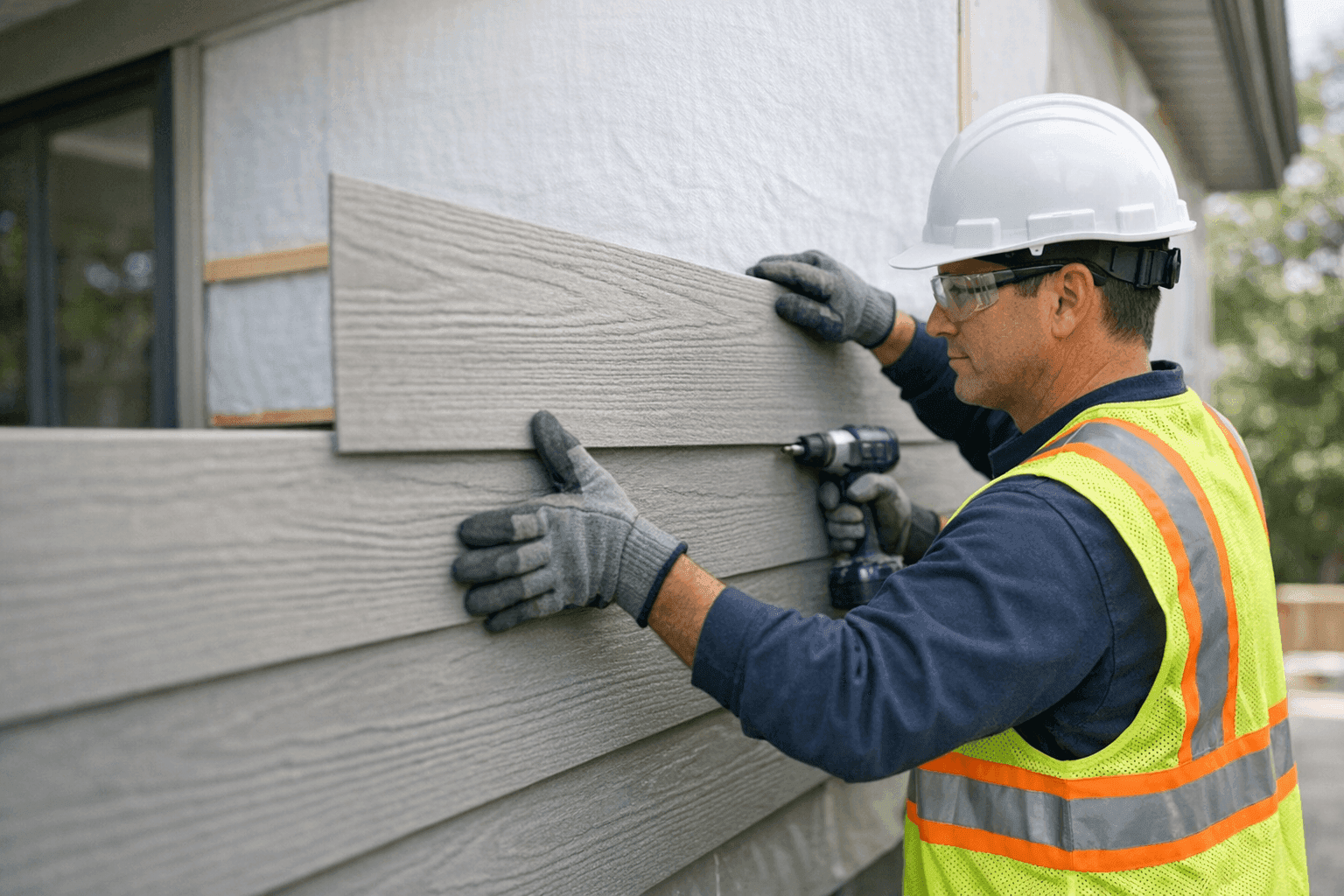
When it comes to siding, you want a material that stands up to weather, time, and changing tastes. Maybe you’ve heard about fiber cement siding and are wondering if it’s all hype—or your next smart move.
At POM Siding, we’ve seen firsthand how the right siding can transform a property. We also know that no choice is one-size-fits-all. Let’s break down the facts, so you can make a confident decision about fiber cement siding for your home or business.
What Is Fiber Cement Siding? 🏠
Fiber cement siding is a blend of cement, sand, water, and cellulose fibers. It’s molded to look like traditional wood, stucco, or even stone, offering flexibility in appearance. You’ll see it in modern neighborhoods, historic renovations, and commercial spaces alike.
Unlike vinyl, which is all plastic, or wood, which needs regular upkeep, fiber cement finds a sweet spot in-between. It’s heavier than most alternatives but offers a reassuring sense of permanence.
Pros and Cons
Every siding material is a balancing act. Here’s what to expect with fiber cement:
Pros
- Durability: Resists rot, termites, and fire. It won’t warp in the summer sun or crack in a cold snap.
- Versatile Looks: Can mimic wood grain, smooth lap, or even brick and stone.
- Low Combustibility: Meets most fire safety codes, a plus in wildfire-prone regions. Check your local building codes for details.
- Weather Resistant: Handles wind, rain, and hail better than many materials.
- Paint Longevity: Holds paint well for years—less frequent repainting than wood.
Cons
- Weight: Heavier than vinyl or wood. Installation requires special tools and know-how.
- Upfront Cost: More expensive than vinyl, sometimes close to real wood. But often less than brick or stone.
- Installation Matters: Must be installed with care. Poor flashing or nailing can lead to moisture issues.
- Not Fully Maintenance-Free: Needs periodic painting or sealing. Caulking at joints is a must.
Maintenance and Longevity
Fiber cement siding is tough—but not invincible. Like a reliable raincoat, it keeps you dry only if you maintain the seams and fabric.
Routine Care
- Annual Inspection: Walk around. Look for cracks, gaps in caulking, or chipped paint.
- Cleaning: Use a garden hose or soft brush to wash off dirt and mildew. Skip the pressure washer, which can force water behind panels.
- Paint Touch-Ups: Expect to repaint every 10-15 years, depending on climate and exposure.
- Caulking: Reseal joints and around windows/doors as needed to block out moisture.
- Pest Checks: While insects can’t eat fiber cement, they can nest in gaps if caulking fails.
Maximizing Lifespan
- Keep landscaping trimmed back to avoid moisture build-up.
- Clean gutters regularly to prevent overflow and water damage.
- Ensure attic and wall ventilation is up to code—good airflow means longer siding life.
With consistent care, fiber cement siding can last 30–50 years or more. That’s a long run, especially compared to wood or cheaper vinyl.
Is Fiber Cement Right for You?
Not every project calls for the same solution. Here’s when fiber cement shines:
- You Want the Look of Wood Without the Hassle: Fiber cement can pull off a cedar look, minus the rot and termites.
- Durability Is a Priority: For high-traffic homes, busy businesses, or harsh weather, it’s a solid bet.
- Fire Resistance Matters: Essential in areas with wildfire risk or for commercial properties needing a non-combustible exterior.
- You’re Ready for Professional Installation: DIY isn’t recommended—this siding is heavy and requires precision.
But, if your budget is tight, or you want a fast, lightweight install, vinyl may suit you better. Each home and building is unique. That’s why at POM Siding, we offer siding material consultation to help you weigh the trade-offs in person.
Real Costs & Time Factors
Think of fiber cement as an investment, not a quick fix. Material and installation costs run higher than vinyl, but lower than stone or brick. What you get is decades of curb appeal and fewer problems down the road.
Installation usually takes a bit longer, too. The panels are heavy. Cutting them safely requires special gear and dust protection (as per OSHA silica rules). For new construction, this can add a day or two to your timeline.
Siding Problems: Signs and Solutions
What signals trouble with fiber cement siding? Keep an eye out for:
- Soft spots or bulges (possible water intrusion)
- Gaps at seams or around windows
- Paint peeling or blistering
- Visible cracks
Early fixes are key. If you see these, schedule siding maintenance before bigger repairs are needed.
Fiber Cement vs. Other Siding Options
Fiber cement stands apart for its blend of toughness, fire resistance, and classic style. Compared to:
- Vinyl: Less maintenance than wood, but heavier and more rigid. Handles weather better.
- Wood: More durable and pest-resistant. Needs less frequent painting.
- Stucco/Brick: Cheaper than brick, more flexible than stucco, with similar longevity.
Still not sure? Our team at POM Siding is always happy to talk you through the details.
When to Call for Emergency Siding Services
Storm just rolled through? Branches hit your walls? If fiber cement panels are cracked, broken, or water is seeping in, don’t wait. Emergency service can stop a small repair from turning into a major project.
DIY vs. Pro Installation
Some jobs are best left to the pros. Fiber cement is one of them. The dust from cutting can be hazardous if not handled properly. Panel weight means you need the right tools—and a strong back.
Professional installers know how to flash, seal, and fasten panels so they last. They’ll also ensure your project meets local building codes and manufacturer specs, which often ties into your product warranty.
Safety and Code Considerations
Fiber cement siding meets most fire safety codes, but always check your local requirements. Installers should use dust masks or respirators when cutting, as per OSHA guidelines. Proper flashing and weatherproofing are crucial to prevent hidden moisture damage.
Siding Warranty and Longevity
Many fiber cement products come with long manufacturer warranties—sometimes up to 30 years. These often require professional installation and regular maintenance (like painting and caulking) to stay valid.
Curb Appeal and Color Choices
One beauty of fiber cement? You’re not stuck with a single look. It’s available pre-finished in dozens of colors or can be painted any shade you want. Need help picking? Our siding color consultation can help you find a style that fits your neighborhood, whether classic or bold.
Commercial Uses for Fiber Cement
Fiber cement isn’t just for houses. Many businesses choose it for its modern look and resilience. It’s ideal for schools, offices, and retail—anywhere you want to minimize upkeep and maximize durability.
Year-Round Maintenance Tips
Fiber cement siding is a four-season performer, but a few simple habits help it last:
- Inspect after heavy storms or severe weather.
- Clean off pollen, leaves, and debris each spring.
- Check caulking in late summer or early fall, before freeze/thaw cycles.
- Trim back any vines or shrubs in winter to prevent moisture build-up.
Fiber Cement Siding for New Construction
Building a new home or business? Fiber cement is a popular choice for its blend of value and performance. It works well with modern, traditional, and transitional designs. Installation goes best when planned from the start—but it can also be a great upgrade during major renovations.
Ready for the Next Step?
If you’re weighing your long-term options, want an honest assessment, or need "fiber cement siding installation near you," POM Siding is here to help. We also serve those looking for Soffit and Fascia Repair near you with high-quality siding solutions in every season.
Call POM Siding now — or reach us anytime at 888-870-1065 .