Emergency Siding Repairs: What to Do Before Help Arrives
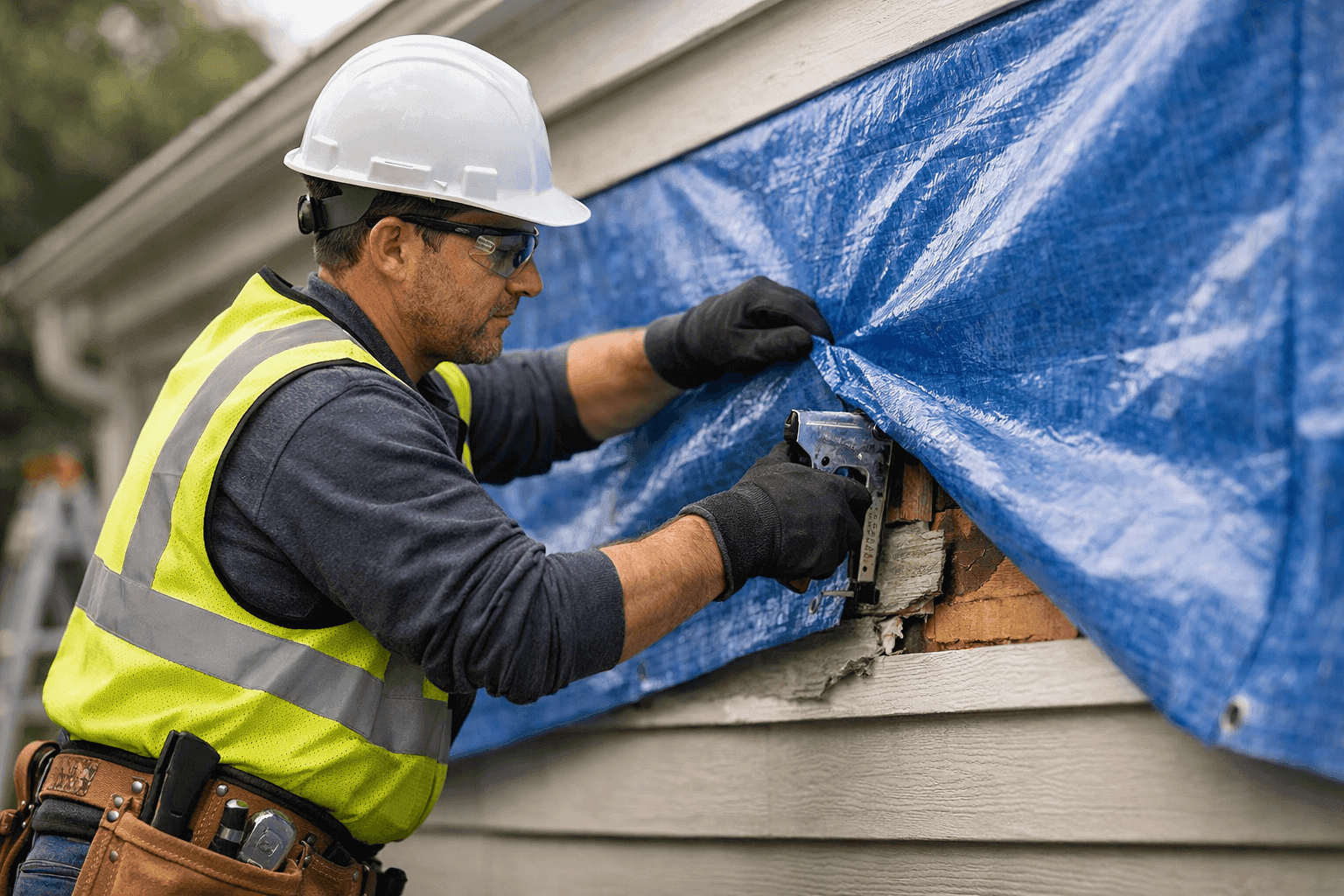
When disaster strikes your home or business siding—whether it’s a howling storm, a flying branch, or a sudden leak—it’s easy to feel overwhelmed. The clock starts ticking. Water and weather wait for no one.
At POM Siding, we know every minute counts. Quick action can mean the difference between a simple fix and major repairs. Here’s what to do before the pros arrive.
What Qualifies as a Siding Emergency? 🚨
Not all siding damage needs a midnight call. But some problems can’t wait:
- Major holes or cracks exposing the underlayment or insulation.
- Whole panels ripped off by wind, leaving your home open to the elements.
- Water pouring in or pooling inside walls—potentially leading to mold or rot.
- Detached soffits or fascia, which can allow pests or moisture to invade quickly.
If you spot these issues, it’s more than just curb appeal. It’s about protecting your property’s structural integrity and safety.
First Things First: Your Quick Safety Checklist
Before you do anything else, stop and scan for hazards.
- Stay clear of downed power lines or exposed wiring.
- Watch for broken glass or sharp siding edges.
- Avoid standing water near electrical outlets.
- If the damage is extensive or you’re unsure, evacuate occupants and pets.
Remember: Siding can hide hidden dangers—never risk your safety for a quick fix.
Step-by-Step: What to Do Immediately
When siding trouble hits, stay calm and take these steps:
- Contain the area: Keep children and pets away from dangerous zones.
- Document the damage: Snap photos from multiple angles. This helps with insurance and repair assessments.
- Stop water entry: If water is coming in, use towels, buckets, or tarps inside to catch drips.
- Check inside: Look for signs of moisture on walls, ceilings, or floors.
Every minute matters, but safety comes first.
Temporary Fixes to Prevent More Damage 🛠️
While you wait for help, you can take steps to minimize further harm:
- Cover large holes: Use a waterproof tarp, plastic sheeting, or thick garbage bags. Secure with duct tape or nails—be careful not to cause more damage.
- Secure loose panels: Use boards, bricks, or heavy objects to hold loose siding in place. Avoid using objects that could blow away and cause more damage.
- Seal cracks: For small openings, weather-resistant duct tape can provide a short-term seal against rain.
- Prop up soffits or fascia: If sections are dangling, gently brace them with wood or a broomstick (without climbing on ladders during bad weather).
These are just short-term shields—don’t rely on them for long.
When and How to Call for Professional Help
Sometimes the best action is to pick up the phone immediately. Here’s when to call:
- The damage exposes your home’s interior or electrical systems.
- You see water infiltration or mold.
- Siding is at risk of falling, especially above walkways or entries.
- You feel unsafe or unsure.
When you call, have these details ready:
- Address and best contact number.
- A description of the problem (type of siding, what happened, when).
- Any photos you’ve taken.
For urgent help, see our emergency siding services page for what to expect.
Common Emergency Scenarios to Recognize
Every property is unique, but some siding emergencies are more common than others:
- Storm damage: High winds, hail, or flying debris can rip off panels or crack siding.
- Water leaks: After heavy rain, water can seep behind damaged siding, leading to fast-spreading problems.
- Animal entry: Raccoons, squirrels, or birds may enter through gaps, causing further havoc.
- Fire or smoke damage: Siding may melt or become dangerously brittle.
Recognizing the signs early means acting before small problems become disasters.
What the Pros Will Do On Arrival
When the POM Siding team arrives, here’s what you can expect:
- A thorough safety assessment—inside and out.
- Temporary stabilization, if needed, to prevent further harm.
- Detailed inspection of the siding, soffit, fascia, and trim.
- Clear communication about next steps, timelines, and your repair options.
We’ll also help with documentation for insurance claims.
DIY vs. Pro Repairs: What’s Safe to Handle (and What’s Not)
There’s a difference between a duct tape patch and a professional fix. Some tasks are best left to experienced hands:
Safe for DIY:
- Tarping or taping small holes (from the ground, not ladders).
- Moving valuables away from water entry points.
- Taking photos for documentation.
Leave to the Pros:
- Climbing to high or unstable sections.
- Electrical repairs or water damage near wiring.
- Full panel replacement or structural repairs.
When in doubt, wait for help.
Siding Emergency Prevention: Tips for Next Time 🌧️
You can’t control storms, but you can build resilience:
- Schedule regular inspections, especially after major weather events.
- Keep trees trimmed and away from siding.
- Maintain gutters and downspouts to direct water away.
- Repair minor cracks or loose panels before they become big problems.
Need a checkup? Our siding repair and maintenance teams can help prevent the next emergency.
Costs, Timelines, and What to Expect
Every emergency is unique, but here’s what usually happens:
- Assessment: Immediate on-site review and safety measures.
- Temporary repairs: Short-term fixes to secure your property.
- Final repairs: Full restoration, which can range from a few hours to several days, depending on the scope.
Costs depend on materials, labor, and the extent of the damage. Insurance may cover some incidents—check your policy or ask your provider.
Materials and Equipment to Have Handy
Be prepared before disaster strikes. Keep these essentials on hand:
- Heavy-duty tarps or plastic sheeting
- Duct tape or waterproof tape
- Work gloves and safety goggles
- Flashlight and spare batteries
- Camera or smartphone for documentation
A simple kit can buy you precious time when emergencies hit.
Signs of Siding Trouble (Before It’s an Emergency)
Most siding emergencies start small. Watch for:
- Warping, bulging, or loose panels
- Discoloration or water stains
- Soft spots or bubbling paint
- Unexplained drafts or higher energy bills
Catching these early can save you headaches—and money—down the line.
Frequently Asked Questions
Q: How can I tell if water is getting inside?
Look for damp spots, peeling paint, or musty odors indoors after a storm.
Q: Should I remove damaged siding myself?
No. Removing panels can expose more of your home to damage and is best left to pros.
Q: Will insurance cover siding emergencies?
Many policies do, especially for storm damage. Take photos and contact your provider promptly.
For more on local codes and safety, check with the International Code Council (ICC) or your municipality’s building department.
Seasonal Siding Emergencies: What to Watch For ❄️
Each season brings unique risks:
- Winter: Snow and ice buildup can pry siding loose, especially around soffits and fascia.
- Spring: Heavy rains and windstorms test every seam and joint.
- Summer: Intense heat can warp vinyl; thunderstorms bring flying debris.
- Fall: Falling branches and clogged gutters can lead to leaks.
Be proactive—inspect your siding at the start of every season.
Siding Emergency Mistakes to Avoid
- Ignoring small cracks or gaps after a storm.
- Climbing on ladders during severe weather.
- Using non-waterproof materials for temporary patches.
- Waiting too long to call for help.
Small mistakes can turn emergencies into catastrophes.
How Disruptive Are Emergency Siding Repairs?
Worried about noise, mess, or disruption? Most emergency repairs are fast and focused. The goal is to secure your property, then schedule final fixes at your convenience.
After the initial patch, our team will work with you to minimize disruption—keeping your routine (and your property) as normal as possible.
Siding Emergencies in New Construction and Commercial Properties
Emergencies aren’t just for old homes. New construction and commercial properties face risks too:
- Incomplete installations left exposed to storms.
- Damage from nearby construction activity.
- High-traffic areas vulnerable to impact or vandalism.
POM Siding serves both residential and commercial clients with responsive, professional care. For siding emergencies or soffit and fascia repair, our crews are equipped to handle it all.
Protecting Your Investment: The Value of Fast Action
Your siding is more than just a shell. It’s your property’s first and best line of defense. Quick, informed action can save thousands in repairs and protect what matters most.
If you need help with siding repair or emergency response, POM Siding is ready—day or night.
For property owners in Oregon, don’t wait until the next storm. See why so many trust us for high quality siding in Salem.
Call POM Siding now — or reach us anytime at 888-870-1065 .