Cost to Replace Siding: Factors and Budgeting Tips
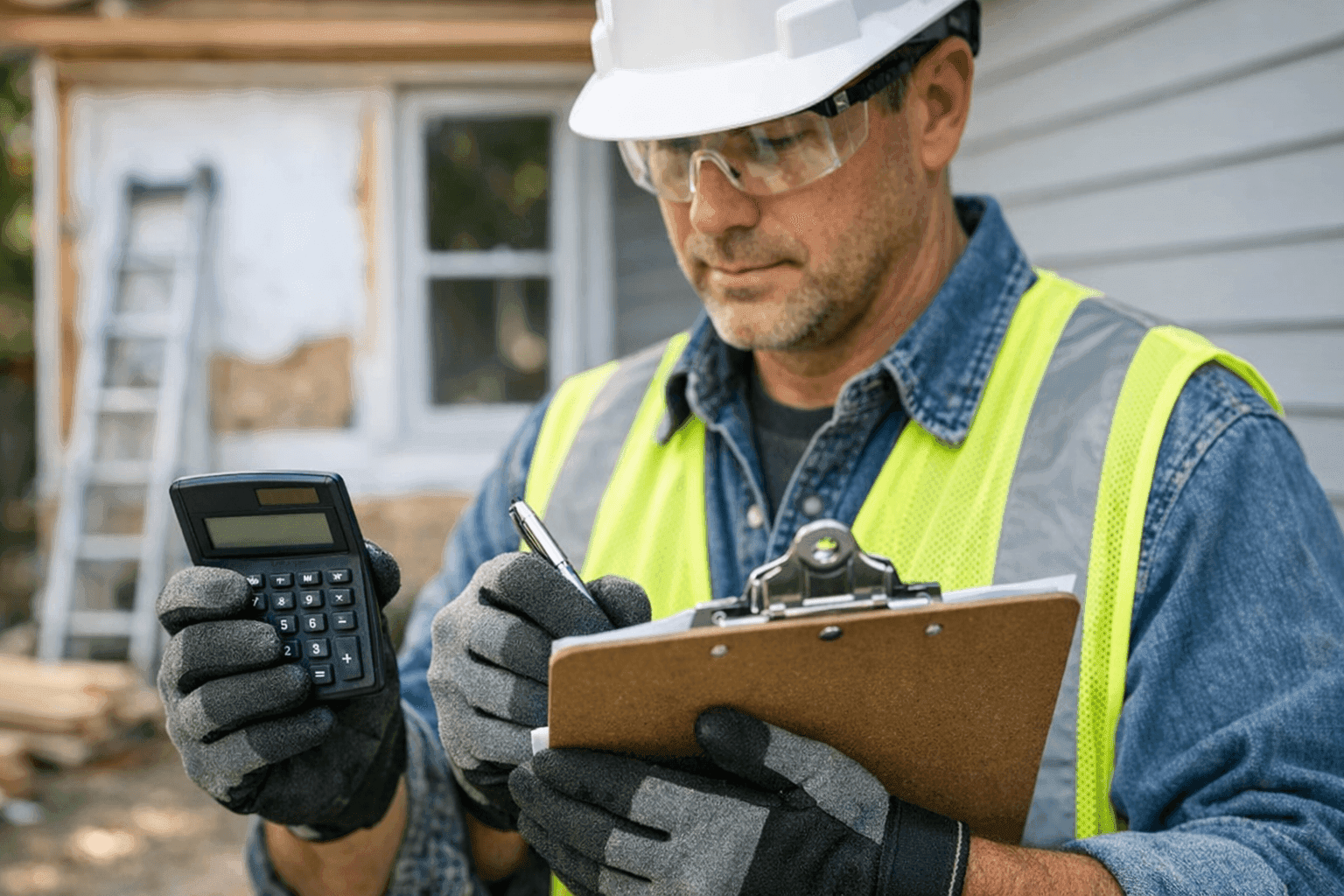
Replacing your siding is one of those big home or business decisions you can’t put off forever. The signs build up: cracked panels, peeling paint, drafts sneaking in. Suddenly, you’re facing not just curb appeal woes, but real concerns about weatherproofing, energy efficiency, and property value.
At POM Siding, we know that questions about cost and budgeting come first. That’s why we’re breaking down what really goes into the price tag—and how you can get the most value for your investment.
What Influences Siding Replacement Costs?
Siding replacement isn’t a one-size-fits-all job. It’s more like assembling a jigsaw puzzle—each piece shapes the final cost. Here’s what matters most:
Material Makes a Difference
Think of siding materials as the foundation of your investment. Vinyl, wood, fiber cement, metal, and stucco all have unique price points—and each brings its own benefits for durability, maintenance, and style.
- Vinyl siding tends to be the most budget-friendly and is popular for both residential and commercial projects.
- Fiber cement siding offers impressive longevity and weather resistance, but typically costs more upfront.
- Wood siding provides classic charm, but requires more upkeep and a higher initial investment.
- Metal siding (like steel or aluminum) is tough and low maintenance, often chosen for contemporary looks or commercial properties.
- Stucco siding is common in certain climates, offering energy efficiency and a distinct look.
Labor: The Human Element
Siding isn’t just materials. Skilled hands bring it all together. Labor costs can fluctuate based on:
- Your region’s cost of living
- The complexity of your building’s architecture (think: multiple stories, tricky angles)
- The condition of your current siding—removal can be straightforward or surprisingly labor-intensive
Property Size and Shape
A small single-story home is a different story from a sprawling commercial building. Costs scale up with square footage and features like dormers, chimneys, or bay windows.
Prep Work and Repairs
It’s rare to find a property that’s “plug and play.” Often, existing siding must be removed. Underlying damage—like rotten sheathing or inadequate insulation—can add to the cost. Soffit and Fascia Repair near you may also be necessary before new siding goes up.
Special Considerations
- Historic homes may require custom trim or specialty materials
- HOA or code requirements can influence product choices and installation methods
- Weatherproofing, flashing, and ventilation solutions can add to the materials list
How to Estimate Your Siding Project Budget
Sticker shock is real. But with the right information, you can plan ahead and avoid surprises.
Average Price Ranges
- Vinyl siding: $6–$12 per square foot installed
- Fiber cement siding: $10–$18 per square foot installed
- Wood siding: $12–$20+ per square foot installed
- Metal siding: $8–$16 per square foot installed
- Stucco: $10–$18 per square foot installed
Note: These are ballpark figures. Local rates and property specifics may shift these numbers.
Be Ready for Hidden Costs
Some costs stay tucked out of sight until work begins. These can include:
- Rotten wood replacement
- Upgrading insulation or weather barriers
- Siding flashing repair
- Permitting fees
- Disposal of old materials
A thorough siding inspection up front can help reveal these surprises before the project kicks off.
Contingency Planning
Industry wisdom (including guidance from the National Association of Home Builders) suggests adding 10–20% to your estimate for unexpected expenses. It’s like bringing an umbrella on a cloudy day—better to have it and not need it!
Ways to Control Siding Costs
Budgeting isn’t just about cutting corners. It’s about making informed choices and setting priorities.
Choose Materials Wisely
Not all siding is priced the same. Work with a siding material consultation expert to compare options for your budget and climate. Sometimes, a mid-range material with proper installation outperforms a top-shelf product used incorrectly.
Timing Can Save You Money ⏳
Spring and summer are busy seasons for siding contractors. If your schedule is flexible, consider off-peak periods. Some suppliers and installers offer better rates during slower months.
Define the Scope Clearly
Do you need full replacement or just targeted repairs? Is it time to update your trim, insulation, or gutters too? Clear priorities help prevent “scope creep”—those small add-ons that snowball into big expenses.
Bundle Services When Possible
Combining siding replacement with related projects (like gutter repair or soffit and fascia upgrades) can reduce overall labor costs and minimize disruption.
Key Signs It’s Time for Siding Replacement
Unsure whether you’re due for a siding overhaul? Watch for:
- Warped, cracked, or loose panels
- Peeling paint or persistent mold/mildew
- Rising energy bills (drafts = lost insulation)
- Visible water damage or rot beneath siding
- Pest infestations (siding should keep critters out, not invite them in)
If you spot these red flags, scheduling a siding inspection is the smart first step.
The Siding Replacement Process: What to Expect
Understanding the journey helps keep expectations realistic:
- Initial inspection & consultation — Pros assess your current siding, underlying conditions, and goals.
- Material selection & estimate — Choose siding, trim, and details; receive a detailed quote.
- Permitting & prep work — Secure necessary permits, schedule start date, and prepare the site.
- Old siding removal — Careful removal to reveal any hidden damage.
- Repairs & upgrades — Address sheathing, insulation, or weatherproofing as needed.
- New siding installation — Precision work for a neat, weather-tight finish.
- Final walkthrough & cleanup — Ensure satisfaction and a spotless property.
DIY vs. Professional Siding Replacement
It’s tempting to tackle siding as a weekend project, but the reality is closer to building a ship in a bottle—fiddly, time-consuming, and easy to misstep.
- DIY Risks: Incorrect installation can void warranties, create leaks, or lead to expensive repairs down the line.
- Professional Benefits: Experienced crews deliver efficiency, code compliance, and peace of mind.
Always check local building codes (consult resources like the International Residential Code) and consider insurance implications before starting any DIY project.
How Long Does Siding Replacement Take?
For a typical single-family home, expect:
- 1–2 days for prep and removal
- 3–7 days for installation (weather and complexity depending)
- Additional time for repairs or specialty work
Larger or more complex properties may take longer, but clear communication with your contractor keeps surprises to a minimum.
Preventing Siding Problems Down the Road
A little care goes a long way. Once your new siding is up, follow these tips:
- Inspect annually for signs of wear or damage
- Keep gutters clean to prevent water buildup
- Trim nearby trees to avoid impact or shading issues
- Schedule professional cleaning and maintenance as recommended
Proper ventilation and weatherproofing (including siding caulking and sealing) can extend the life of your siding and protect your investment.
Common Mistakes to Avoid When Budgeting for Siding
- Underestimating square footage. Don’t forget details like dormers or detached garages.
- Ignoring prep work. Old siding removal and hidden repairs can add to the bill.
- Choosing the cheapest material. Upfront savings may lead to more maintenance or faster replacement.
- Skipping the inspection. You can’t fix what you don’t see.
Siding for New Construction and Commercial Projects
Building new? Siding choices are even more important. Commercial properties often benefit from durable, low-maintenance solutions like metal or fiber cement. For new homes, energy efficiency and local climate should drive your decision.
Looking for a reliable siding partner? If you’re searching for siding replacement services in Herriman, POM Siding brings experience and care to every project.
Siding Warranties and Long-Term Value
A new siding installation is a significant investment. Ask about available warranties, maintenance requirements, and recommended inspection schedules. Proper documentation can protect you in the long run and boost property resale value.
Frequently Asked Questions
Q: Is it cheaper to replace all siding at once or in sections?
A: Full replacement often brings better value per square foot, but targeted repairs can be smart for localized damage.
Q: Can I change my siding color during replacement?
A: Absolutely. Many materials come in a wide range of colors, and color consultation services can help you choose the right fit.
Q: How do I know which siding material is best for my property?
A: Climate, budget, maintenance preferences, and property style all play a role. A consultation with a siding professional makes the decision easier.
Ready to Start? Budget with Confidence
Siding replacement doesn’t have to be a mystery or a headache. With the right info, smart planning, and a trusted team, you can protect and beautify your property for years to come. POM Siding is here to answer your questions and guide you every step of the way.
Call POM Siding now — or reach us anytime at 888-870-1065 .