Commercial Siding Solutions: Boost Curb Appeal & Durability
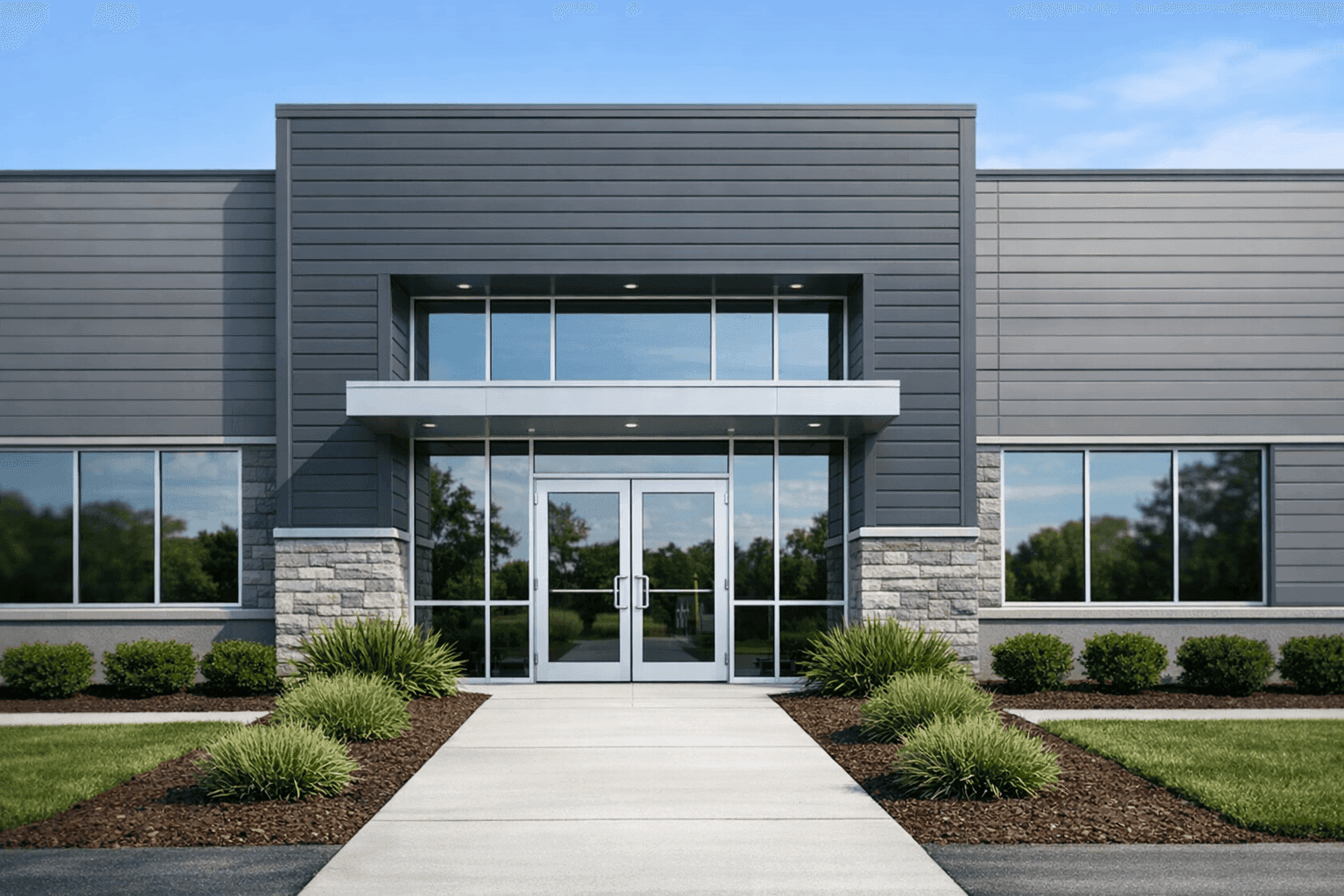
When it comes to commercial buildings, first impressions matter. Your siding is more than a shell—it’s a handshake before you say a word. If you manage or own a business property, you already know: curb appeal isn’t just about beauty. It’s about trust, safety, and the bottom line.
But siding isn’t a one-and-done decision. Materials age. Codes evolve. Weather doesn’t wait. At POM Siding, we help businesses make smart, lasting choices for protection, appearance, and value.
Why Siding Matters for Businesses 🏢
Think of your siding as your property’s armor and its smile. It shields against rain, wind, and temperature extremes. But it also tells clients and tenants: this place is cared for.
- Protection: Damaged or outdated siding lets in water, pests, and mold. That means costly repairs—sometimes much more than a fresh installation.
- Reputation: Peeling paint or warped panels send the wrong message. Clients might wonder: if the building’s neglected, what about the business inside?
- Efficiency: The right siding helps control utility costs. Insulated siding, for example, can reduce heating and cooling bills—a relief for any business budget.
Siding Material Options for Commercial Use
Choosing siding for a commercial property is different from picking it for a house. Scale, durability, and local regulations all come into play.
Metal Siding
Metal siding (like steel or aluminum) stands up to impact and weather. It’s a favorite for warehouses and modern offices. With finishes that resist fading, rust, and fire, metal is a tough, long-lived option—often 40 years or more with proper care.
Fiber Cement
Fiber cement siding is like the Swiss Army knife of building exteriors. It mimics wood or stucco, shrugs off insects, and won’t burn. Expect a lifespan of 30–50 years, especially when installed by pros who follow guidelines from the International Code Council.
Stucco Siding
Stucco isn’t just for homes. It’s fire-resistant, energy-efficient, and can be tinted to almost any color. In commercial applications, proper substrate and flashing are critical—done right, expect 50–80 years of service.
Vinyl Siding
Vinyl is cost-effective and comes in a rainbow of colors. It’s easy to clean and resists moisture, though it can crack in severe cold. Lifespan runs 20–30 years for commercial-grade panels.
Wood Siding
Wood offers a warm, classic look. But it needs regular sealing and care. For commercial jobs, durable woods like cedar or redwood are best—expect 20–40 years with a good maintenance plan.
For tailored advice, consider our siding material consultation service.
The Difference: Residential vs. Commercial Siding
It’s not just size. Commercial siding must often meet stricter fire, wind, and impact standards. Maintenance cycles may be shorter, with more frequent inspections. And repairs—like Soffit and Fascia Repair near you—need to be quick to avoid business disruption.
While residential siding prioritizes curb appeal and comfort, commercial siding balances aesthetics, safety, and long-term ROI.
Installation and Maintenance Considerations 🔧
A smooth installation starts with planning:
- Code Compliance: Commercial buildings must meet local codes. This covers everything from fire ratings to wind resistance.
- Weatherproofing: Flashing, caulking, and sealing are vital to keep water out. Poor craftsmanship can void warranties or lead to mold.
- Business Hours: Work with a crew that minimizes disruption. At POM Siding, we coordinate with property managers, often scheduling work after hours or in phases.
- Safety: Proper PPE, equipment staging, and waste removal keep tenants and staff safe. The Occupational Safety and Health Administration (OSHA) offers clear guidelines for jobsite safety.
Routine maintenance—like annual siding inspection, prompt Siding Repair, and gutter cleaning—keeps problems small and costs down. Remember, a stitch in time saves nine.
Enhancing Curb Appeal and Value 😍
Your siding is your billboard. Crisp lines, fresh color, and thoughtful accents attract tenants and customers. But curb appeal goes deeper:
- Color Consultation: The right palette reinforces your brand. Neutral tones project stability; bold colors say you’re innovative.
- Trim and Molding: Details like new trim or custom molding set a property apart—especially on storefronts and offices.
- Lighting: Siding choices can influence how exterior lighting works, highlighting architectural features or signage.
If your property needs a facelift, our siding replacement service covers everything from design to debris removal.
Material Lifespans and What to Expect
- Metal: Up to 50 years with minimal upkeep
- Fiber Cement: 30–50 years, resists most threats
- Stucco: 50–80 years, if properly maintained
- Vinyl: 20–30 years, easy care but less impact resistance
- Wood: 20–40 years, needs routine sealing
Regular cleaning, caulking, and inspections keep these numbers at the high end. Don’t skip your annual checkup.
Safety Checklist for Property Managers
Before any siding project starts, review this quick list:
- Verify contractor licensing and insurance
- Review local codes and HOA rules
- Ask about fire and wind ratings
- Plan for debris and equipment staging
- Communicate schedules with tenants and staff
You can consult the International Building Code (IBC) for commercial siding standards.
DIY vs. Hiring a Pro
Some repairs—like a quick siding cleaning—are fine for a handy team. But for anything structural, storm-related, or involving high ladders, call a pro. Pros have the gear, know the codes, and carry insurance. It’s not just about doing the job—it’s about doing it safely.
What Happens When Pros Arrive
Expect a thorough walk-around. We’ll check for warping, gaps, water stains, and soft spots. Next: a plan for materials, color, and scheduling that works for you. If storm damage is involved, we’ll document everything for your records.
Seasonal Considerations
- Spring: Inspect for winter damage (ice, wind, water).
- Summer: Best time for painting or replacement—longer daylight, warm temps.
- Fall: Seal gaps and check gutters before storms hit.
- Winter: Emergency repairs only; most siding jobs wait for milder weather.
Common Mistakes to Avoid
- Ignoring early signs of trouble (soft spots, mold, loose panels)
- Choosing low-grade materials to save money
- Skipping flashing or caulking
- Overlooking attic ventilation (leads to trapped moisture)
Signs You Need New Siding
- High energy bills (poor insulation)
- Visible warping or buckling
- Frequent paint touch-ups
- Mold, mildew, or pest activity
- Water stains inside
Don’t wait until these signs turn into bigger issues.
Costs and Timelines
Commercial siding costs range widely, from $8–$50 per square foot depending on material and complexity. Most mid-size projects take 1–3 weeks, factoring in weather and building access. We provide clear estimates and timelines—no surprises.
Minimizing Disruption During Projects
We know: time is money. We’ll coordinate work to avoid business interruptions, use barriers for safety, and keep job sites tidy. Most importantly, we stick to the schedule.
Siding Upgrades: The Business Case
Upgrading siding isn’t just an expense—it’s an investment. New siding increases property value, lowers maintenance, and can even help attract better tenants at higher rates. Energy-efficient options add to long-term savings.
If you’re looking for trusted siding contractors in the area, see more about our siding solutions in Cedar Falls.
FAQ: Commercial Siding
Q: How often should commercial siding be inspected?
A: At least once a year, and after any severe weather event.
Q: Which siding is best for high-traffic areas?
A: Metal or fiber cement—both resist impact and are easy to clean.
Q: Can you match new siding to existing colors?
A: Yes, with professional color consultation and the right products.
Q: Do you work with insurance claims?
A: We provide documentation and work with your adjuster when needed.
Ready to boost your property’s curb appeal and protect your investment for decades?
Call POM Siding now — or reach us anytime at 888-870-1065 .