How to Clean and Maintain Your Home's Siding
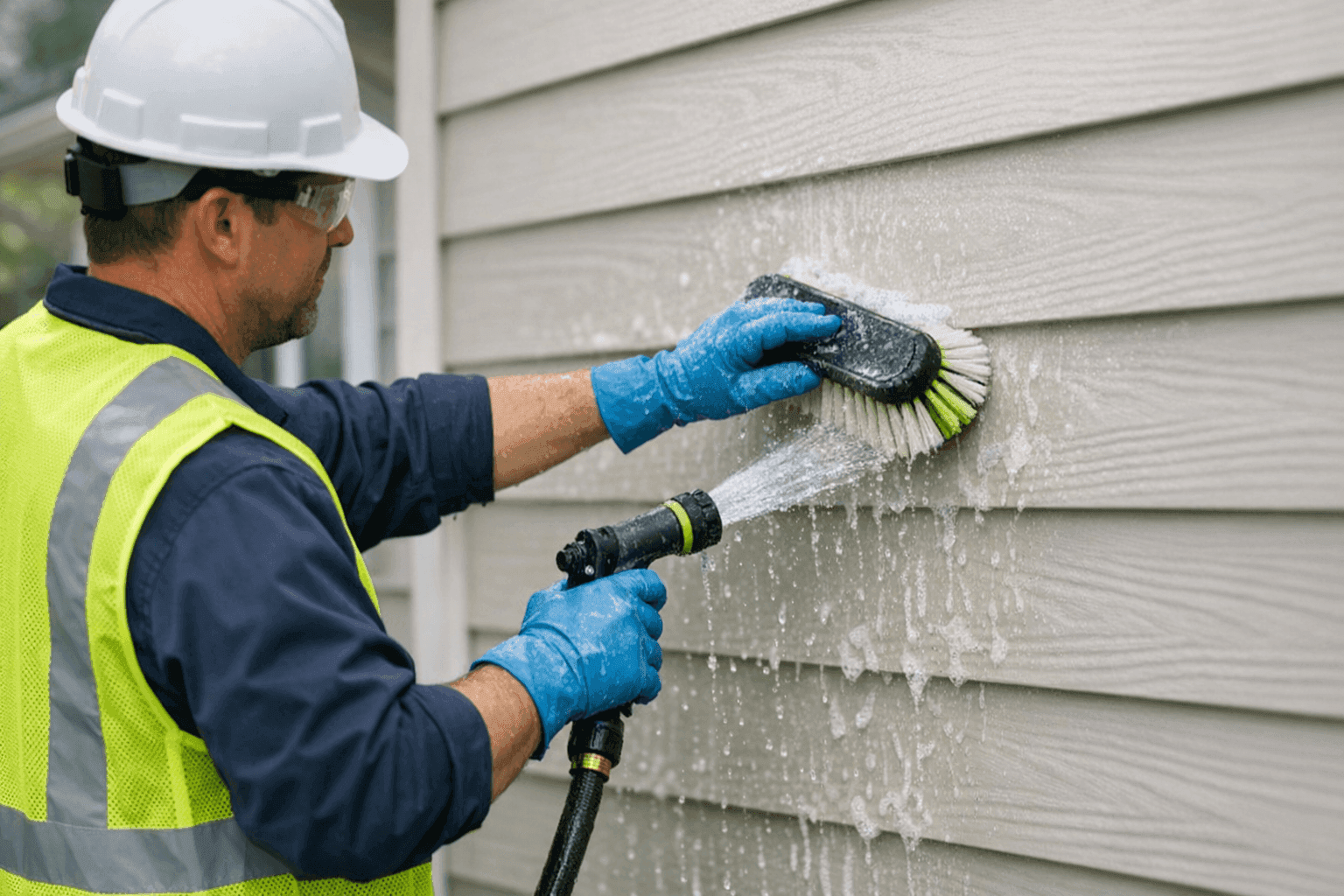
Your home’s siding stands like a loyal shield. Sun, rain, wind—day in and day out, it takes the hit so you don’t have to. But even the toughest armor needs some care. A little attention now can save you from big headaches down the road.
At POM Siding, we know what it takes to keep siding healthy. Whether it’s a touch-up or a thorough cleaning, the right approach makes all the difference. Let’s walk through why siding cleaning matters, how to do it safely, and when it’s time to call for backup.
Why Siding Cleaning Matters 🧼
Siding isn’t just for looks. It protects your home from moisture, pests, and weather. But dirt, grime, mildew, and pollution can build up, breaking down materials over time. If you let it slide, you’re inviting trouble—cracks, rot, even higher energy bills if insulation is affected.
Regular cleaning:
- Keeps your home looking fresh
- Helps spot small issues before they grow
- Prevents long-term damage
- Supports healthy indoor air by reducing mold and allergens
Ignoring siding is like letting weeds take over a garden. Sooner or later, it gets out of control.
Quick Safety Checklist Before You Start
Before you grab a brush or hose, pause. Safety comes first—always. Here’s what to keep in mind:
- Wear gloves and eye protection. Even mild detergents can irritate skin and eyes.
- Check your ladder. Make sure it’s stable and set on even ground.
- Turn off outdoor power. If you’re using water, avoid electrical outlets and fixtures.
- Test cleaners on a small area. Some products can stain or damage certain siding types.
- Read all product labels. Never mix bleach with ammonia or other cleaners.
If your home is more than one story, or you feel uneasy on a ladder, consider professional help. Falls are a leading cause of home injuries.
Cleaning Methods for Each Material
Not all siding is created equal. Each type needs its own approach—like different tools for different jobs. Let’s break it down:
Vinyl Siding
Vinyl is popular for its durability and easy care. Most dirt rinses away with a garden hose. For stubborn spots:
- Mix warm water with mild dish soap.
- Use a soft-bristle brush or cloth. Start at the bottom and work your way up to avoid streaks.
- Rinse thoroughly from top to bottom.
Avoid pressure washers unless you’re experienced—they can force water behind panels, leading to mold or warping.
Wood Siding
Wood looks classic, but it’s more delicate. Treat it like fine furniture:
- Sweep away loose dirt and cobwebs.
- Use a wood-safe cleaner (never harsh chemicals or bleach).
- Gently scrub with a soft brush.
- Rinse with low-pressure water.
Inspect for peeling paint, cracks, or rot as you go. Prompt repair is key for wood longevity.
Fiber Cement Siding
Fiber cement blends strength with style. Cleaning is straightforward:
- Mix water and mild detergent.
- Use a soft brush or cloth—never metal or abrasive pads.
- Hose off gently.
Check caulking and paint for wear. If you find gaps or chipping, schedule a siding inspection.
Stucco Siding
Stucco can hide dirt in its texture:
- Dust off loose debris first.
- Use a low-pressure hose or gentle sponge.
- For stains, mix water with a small amount of dish soap.
- Avoid scrubbing hard or using pressure washers—stucco can crack.
Spotting cracks or bulges? That’s a sign to call for professional siding maintenance.
DIY vs. Professional Cleaning
Some tasks are satisfying to handle on your own. A spring rinse or light brushing? Go for it. But here’s when calling a pro makes sense:
- Tall or multi-story homes: Safety risk goes up with height.
- Heavy mold or algae: Specialized cleaners and techniques are needed.
- Storm or fire damage: Trained eyes can spot hidden problems.
- Delicate materials: Wood, stucco, and fiber cement can be ruined by the wrong tools.
Professionals like POM Siding use safe, approved cleaning agents and follow guidelines from the Vinyl Siding Institute and the International Code Council. We also spot minor damage that DIYers may miss.
Preventing Damage During Cleaning ⚠️
It’s easy to go overboard and do more harm than good. Here’s how to avoid common pitfalls:
- Never use steel wool, harsh brushes, or untested chemicals.
- Don’t blast with high-pressure washers unless you know exactly what you’re doing.
- Rinse all cleaner residue—leftovers can stain or attract more dirt.
- Check weather before starting. Clean on a mild, dry day to prevent streaks and slips.
If you spot loose panels, soft spots, or bubbling paint, hold off on cleaning and get an inspection. Siding that’s already compromised can be made worse by water or scrubbing.
Signs Your Siding Needs Attention
Think of siding like your car’s paint job. When it looks dull, streaked, or you see green spots (algae), it’s time. Other red flags:
- Black streaks or mildew
- Bubbling or peeling paint
- Warped or cracked panels
- Gaps at seams or joints
- Insect trails or nests
If you notice any of these, don’t wait. Early action is almost always easier—and cheaper.
Seasonal Siding Care
Every season brings its own challenges:
- Spring: Pollen, mud, and winter residue. Ideal time for a gentle wash.
- Summer: Humidity encourages algae and mildew. Inspect for sun fading.
- Fall: Leaves and debris can get trapped. Clean gutters and check for moisture.
- Winter: Ice and snow can cause cracks or leaks. Inspect after big storms.
Set a reminder to walk around your home every few months. A quick look beats a big repair.
Common Siding Cleaning Mistakes
Even well-meaning DIYers slip up. Watch out for these:
- Using bleach or ammonia on colored siding—can cause fading
- Ignoring the soffit and fascia (they need cleaning too!)
- Spraying water upward, forcing moisture behind panels
- Forgetting to rinse thoroughly
- Cleaning damaged siding before repairs
For soffit and fascia repair near you, POM Siding is ready to help keep every part of your exterior in shape.
When Siding Cleaning Is an Emergency
Most cleaning can wait for a free weekend. But some situations call for urgent action:
- Mold spreading quickly, especially near vents or windows
- Pest infestation (wasps, bees, ants)
- Recent fire or smoke damage
- After a major storm with mud or debris
In these cases, safety comes first. If you’re unsure, call for emergency siding services.
Materials and Tools: What You Really Need 🧰
Skip the fancy gadgets. For most, this is enough:
- Garden hose with adjustable nozzle
- Soft-bristle brush or long-handled mop
- Bucket, mild detergent, and water
- Sturdy ladder (if needed)
- Gloves and safety glasses
If you need specialty cleaners for stubborn stains or mildew, check the manufacturer’s recommendations. Avoid anything labeled “industrial” unless guided by a pro.
How Long Does It Take? What’s the Disruption?
A typical cleaning job for a single-story home takes a few hours. Multi-story homes or those with a lot of buildup may take a full day. Most cleaning is quiet—no heavy equipment, no major disruption to your routine.
Professional crews work quickly and cleanly. They bring their own supplies and clean up afterward, leaving your property looking better than ever.
The Cost of Siding Cleaning and Maintenance
DIY cleaning is mostly your own time plus a few cleaning supplies. Professional siding cleaning varies by home size, material, and level of dirt, but it’s a small investment compared to the cost of siding replacement.
Ask about bundled services—many homeowners schedule cleaning with siding maintenance or an inspection. It’s efficient and can extend the life of your siding by years.
When to Schedule an Inspection
If you’re unsure about the condition of your siding, or you’ve noticed any of the warning signs above, it’s smart to get a professional look. A detailed siding inspection checks for hidden rot, insulation gaps, and weatherproofing issues.
For residents seeking reliable siding cleaning in central Georgia, see our Warner Robins siding services for local support and advice.
FAQ: Siding Cleaning & Care
Can I use a pressure washer on all types of siding?
No. Pressure washers can damage wood, stucco, and even some vinyl siding. Only use them if recommended by your siding’s manufacturer.
How often should I clean my siding?
Most homes do well with an annual cleaning. More frequent washes may be needed if you live near trees, busy roads, or high humidity areas.
What if my siding is stained or discolored?
Try a mild detergent first. If stains persist, call a professional—some discoloration could signal deeper issues.
Does siding cleaning affect my warranty?
Improper cleaning can void some warranties. Always use approved methods and check your documentation.
Your home deserves to look its best—and last for years to come. For safe, thorough siding cleaning and maintenance, Call POM Siding now — or reach us anytime at 888-870-1065 .